How to Respond to a Coaching RFP: 7 Steps and a Template

Coachful
Editorial Team
How do you respond to a coaching RFP without spending a week writing a proposal the buyer cannot score? Build a requirement-by-requirement response first, then attach evidence, a deliverable coaching plan and a price that matches the requested units. Your usual sales deck is supporting material, not the response.
A strong coaching RFP response makes it easy to find three things: what you will do, why the buyer should believe you, and which conditions your offer depends on. It does not hide an eligibility gap behind confident language.
This guide is for coaches and coaching firms responding to an organizational request for proposals or tender. The seven steps below begin after you have found an opportunity. If you are still looking, use our guide to where to find coaching RFPs first. Procurement terminology and legal obligations vary; the buyer's current documents govern.
1. Separate mandatory conditions from scored answers
Before drafting, collect the invitation, specification, response forms, pricing workbook, contract terms and published amendments. Record the submission deadline and time zone, clarification deadline, permitted contact route, file requirements and signature requirements. A polished answer in the wrong format can still be noncompliant.
Make two lists. The first contains pass-or-fail conditions: required experience, credentials, insurance, supplier status, declarations and any compulsory meetings. The second contains scored criteria: delivery approach, relevant experience, team, evaluation or price, according to this competition.
Do not quietly treat a requirement as a preference. If you cannot meet a mandatory condition, ask a permitted clarification before the question deadline or decline. A partnership only solves the gap if the procurement allows that arrangement and the actual partner meets the requirement.
A real historical example shows why this matters. Covered California's 2025 executive-coaching RFP specified particular public-sector, health-care, workshop and assessment experience. This is an expired example, not an open lead or a universal standard for coaching contracts. Read the qualifications in the opportunity you are answering rather than borrowing another buyer's checklist.
Your first deliverable is a bid decision with reasons. “The subject sounds like my niche” is not enough. You need an honest path through eligibility, delivery capacity, acceptable contractual terms and commercial viability.
2. Build a compliance matrix before writing prose
A compliance matrix is simply an index connecting each requirement to its answer and evidence. It can be a spreadsheet or a plain document. It is not something you need to buy software to create.
Use these fields: requirement identifier; exact question; mandatory or scored status; requested format; response location; evidence reference; responsible person; and unresolved question. Add the published weighting when one exists. Do not invent weights where the buyer has not supplied them.

For example, a hypothetical buyer asks, “Describe how substitute coaches will maintain continuity.” An inadequate response says your team is flexible. A usable response names the substitution process, the proposed person's qualifications, how the participant approves the fit, how confidentiality is protected and who coordinates the handover.
Keep the buyer's numbering in your response. If question 3.2 concerns evaluation, answer it under 3.2 even if your brochure puts evaluation at the end. Write a direct answer before adding background or referring to an appendix.
Where a question has several parts, tick off each part separately. “Describe your method, frequency of reporting and escalation process” is three obligations, not an invitation to write a page about your philosophy.
Update the matrix after every amendment. A changed deadline or revised pricing sheet can invalidate work that was correct yesterday. Give the final check to someone who has not spent the week inside the draft, if that is practical.
3. Turn coaching expertise into a deliverable plan
The buyer needs more than a list of coaching models. Explain the work in the order the organization and participants will experience it: mobilization, matching, contracting, coaching, review and close. Use the buyer's scope rather than a standard program you hope they will accept.
State who does what, how often, for how long and with which dependencies. If you propose an initial three-way meeting, say who attends and what gets agreed. If participants choose a coach, explain the matching process and what happens when the first match is unsuitable.

For a hypothetical manager cohort, a plan might specify an initial sponsor alignment meeting, individual participant contracting, a defined cycle of private sessions, agreed between-session exercises and a closing review. Those are illustrative components, not a recommended duration or a promise that every buyer wants the same design.
Separate coaching from training, consulting and assessment. If the specification includes a licensed assessment, say who is qualified to administer it, what permission or licensing is needed and how the findings will be used. Do not offer a generic questionnaire as an equivalent without the buyer's agreement.

Describe the participant's first week. How do they learn the purpose of the engagement, understand confidentiality, request accessibility adjustments and find their first appointment? A credible mobilization answer reduces the buyer's uncertainty about implementation.
Then describe the participant experience between sessions. Make preparation requirements proportionate and avoid making access depend on unnecessary personal disclosure. A program screenshot can illustrate a delivery surface, but it does not establish that your proposed program has been built, tested or approved.

Include assumptions explicitly. Examples include the buyer nominating participants by an agreed date, providing a sponsor contact or supplying an approved meeting platform. If these assumptions affect your price or timetable, carry them into the commercial section where the instructions allow.
4. Attach evidence that answers the criterion
Write the response first, then choose evidence that proves the claim. A certification can support a qualification requirement. It cannot prove that you have delivered an enterprise program at the requested scale.
Useful evidence might include a permitted reference, an anonymized delivery example, a relevant coach biography, a sample implementation schedule or an approved reporting example. Identify what you personally delivered versus what a former employer or proposed partner delivered.

For each proposed coach, check availability, qualifications, relevant experience and permission to include their details. Explain management responsibility and backup arrangements. A roster is not the same as a committed delivery team; do not count people who have not agreed to the work.
Use a simple answer pattern: commitment, method, evidence, boundary. The boundary matters because it stops a compelling paragraph from promising something you cannot responsibly deliver.

Illustrative response, not a real bid: “We will agree participant goals during contracting and review progress at the agreed checkpoints. Each review uses the same goal prompts so changes can be discussed consistently. Appendix B contains an anonymized sample review format used with permission. Sponsor reporting will follow the agreed information-sharing boundary; private session notes are not included.”
This paragraph still needs to match the actual question. If the buyer requests a validated instrument or a particular reporting schedule, the example does not meet that requirement merely because it sounds sensible.
Remove unsupported outcome claims. “Our coaching increases retention” needs appropriate evidence and context. A participant's self-reported confidence change is not proof that your work caused a company-wide business result. Say what was measured, whose data it was and what the limits are.
5. Make confidentiality and technology answers precise
Organizational coaching has at least two relevant relationships: the paying sponsor and the person being coached. Your response should explain how contracting will distinguish their roles and agree what information may be shared.
Name the proposed reporting categories, recipients and timing. Attendance, progress against agreed goals and aggregated themes are different from private session content. None should be shared automatically just because an employer pays. Small-group summaries can identify people indirectly, so “anonymous” is not a label to apply casually.
If the buyer's requested reporting conflicts with the coaching arrangement you can ethically provide, raise it through the authorized clarification channel. Do not promise unrestricted access in the bid and hope to renegotiate after award.

List the actual tools and data flows you propose to use, including scheduling, video, records, assessments and subcontractors where relevant. Obtain current documentation for access controls, hosting, retention, deletion, export and any required certifications. A product screenshot proves none of those contractual facts.
The Coachful integration screen shown here illustrates connection choices only. It is not evidence of a buyer-approved setup, active connection, security certification, data residency or tender compliance. Verify each requirement independently before putting it in your response.
If you do not know an answer, assign an owner and resolve it before submission. Do not turn “our provider probably supports this” into an unqualified statement. Get legal, data-protection or technical review when the obligations warrant it.
6. Price the requested units, including the invisible work
Use the buyer's pricing template and units exactly. A session, participant program, facilitation day and total contract are not interchangeable. State tax and expense treatment in the required format and check that the narrative, workbook and totals agree.
Count preparation, matching, sponsor meetings, coordination, evaluation, accessibility arrangements, supervision where appropriate, travel and closeout. If the specification requires them, they belong in your delivery model and cost assumptions rather than in an imaginary free-hours bucket.
Check the treatment of optional work, cancellations, participant substitutions, contract extensions and changes in volume. Do not put qualifications in a cover letter if the buyer requires them in a specific schedule. Seek clarification if the commercial instructions are ambiguous.

A framework's maximum value is not your revenue forecast. Check whether the buyer guarantees any work, how assignments are allocated and when payment becomes due. A worthwhile unit rate can still leave you carrying a cash-flow problem if invoices depend on milestones you have not planned for.
Keep a private reconciliation sheet linking each priced item to the hours, people and third-party costs needed to deliver it. This is not a second price offer. It is how you catch an omitted assessment licence or an entire set of sponsor meetings before signing.
Have someone check arithmetic and consistency using a spreadsheet or calculator. Also check language: “all expenses included” in the narrative cannot sit comfortably beside an unexpected travel surcharge in the workbook.
7. Submit a compliant package, not a beautiful surprise
Work backwards from the actual portal deadline. Leave room for registration, permissions, file-size limits, upload problems and any required signatures. There is no universal safe submission buffer; choose one that suits the system and consequences.
Run this final pass against the current instructions:
- Eligibility: every mandatory condition is met and every required declaration is complete.
- Coverage: each question has a direct answer in the required location and within the limit.
- Evidence: references and appendices are present, authorized and correctly named.
- Delivery: the proposed people, dates, dependencies and capacity are real.
- Commercials: units, totals, tax, expenses and assumptions agree throughout.
- Submission: the right files, signatures and final versions are uploaded through the required route.
Open the exported files, not just the working document. Check that headings, page numbering, links and appendices survived. Remove comments, tracked changes and confidential material not intended for the buyer. Use a descriptive filename that follows any specified convention.
Complete the submission step and retain the receipt or confirmation the portal provides. An uploaded file is not necessarily a submitted response. If something fails, document the exact issue and use the buyer's authorized support route; do not assume an emailed copy will be accepted.
After submitting, record the clarification and decision process without privately lobbying panel members. Follow any restrictions on contact. If feedback is available after the decision, compare it with your matrix to distinguish a weak answer from a poor-fit opportunity.
A reusable coaching RFP response outline
Use this as a preparation aid, not as permission to replace a buyer's response form:
- Opportunity control: buyer, notice reference, latest documents, deadlines and authorized contact route.
- Eligibility record: mandatory conditions, evidence and unresolved clarifications.
- Technical response: answers under the buyer's headings, with exact evidence references.
- Delivery plan: people, stages, responsibilities, participant experience and dependencies.
- Ethics and information handling: contracting, reporting boundaries and verified technical answers.
- Commercial response: required price schedules, assumptions and contractual qualifications where permitted.
- Submission record: final files, approvals, timestamp and receipt.
The reusable asset is your evidence library, not a universal paragraph promising everything. Maintain accurate biographies, consented case examples, current insurance documents and documented delivery processes. Recheck dates and permissions before each bid.
Frequently asked questions
How long should a coaching RFP response be?
As long as the buyer allows and needs, not as long as your normal proposal. Follow page, word and attachment limits. Give heavily weighted questions proportionate attention without ignoring mandatory details. More pages are not a substitute for evidence.
Can a solo coach respond to a corporate coaching RFP?
Yes, if the procurement permits an individual supplier and you meet its requirements. Some opportunities require a team or organizational experience you cannot supply alone. Do not present speculative collaborators as confirmed capacity or borrow another firm's credentials without an authorized arrangement.
Is a coaching proposal template enough?
No. A normal proposal helps a buyer decide whether to purchase a defined engagement. A formal RFP response must also satisfy that competition's structure, evaluation criteria and submission rules. You can reuse verified evidence, but you must answer the actual questions.
Does Coachful write or submit the bid?
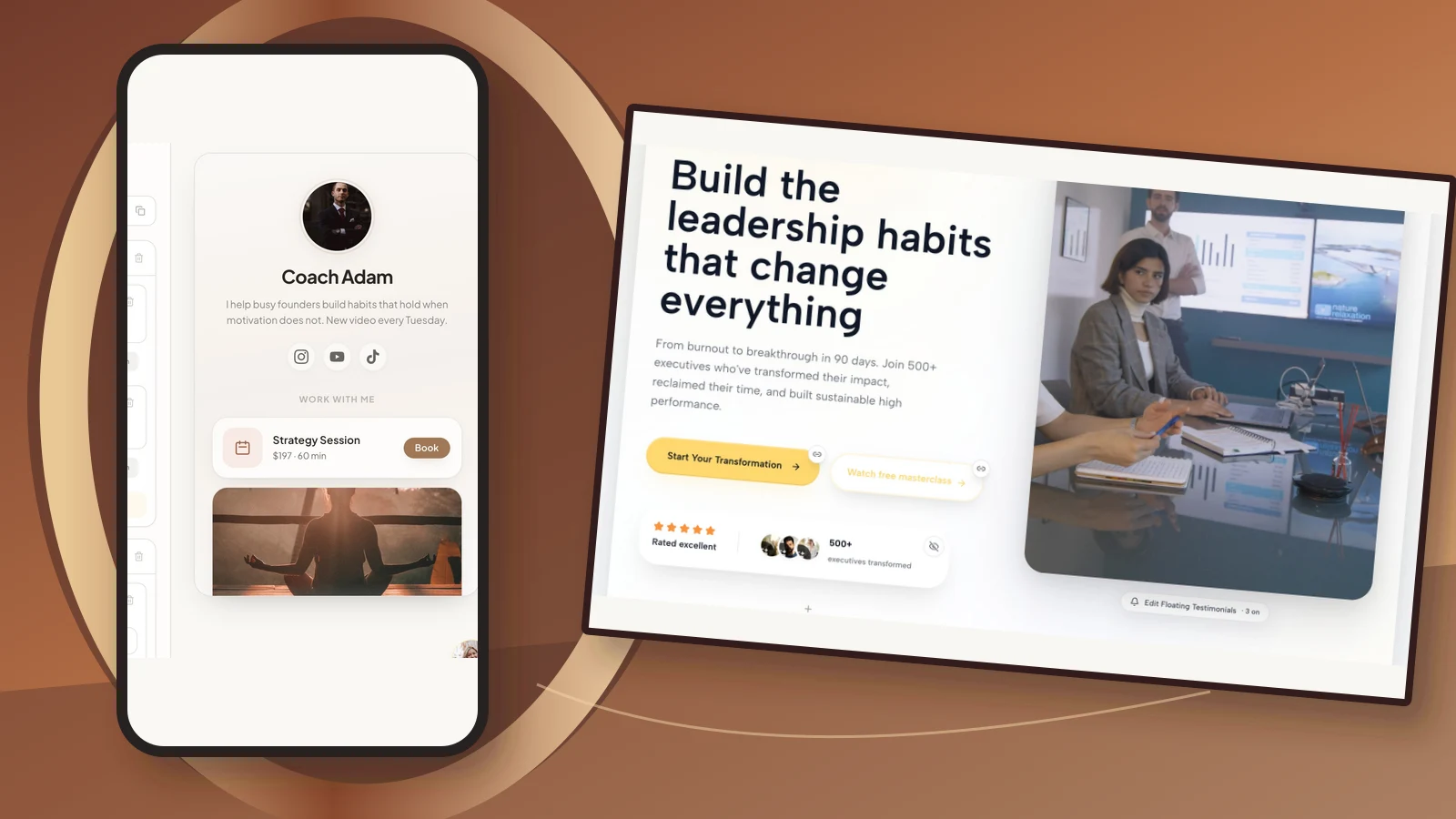
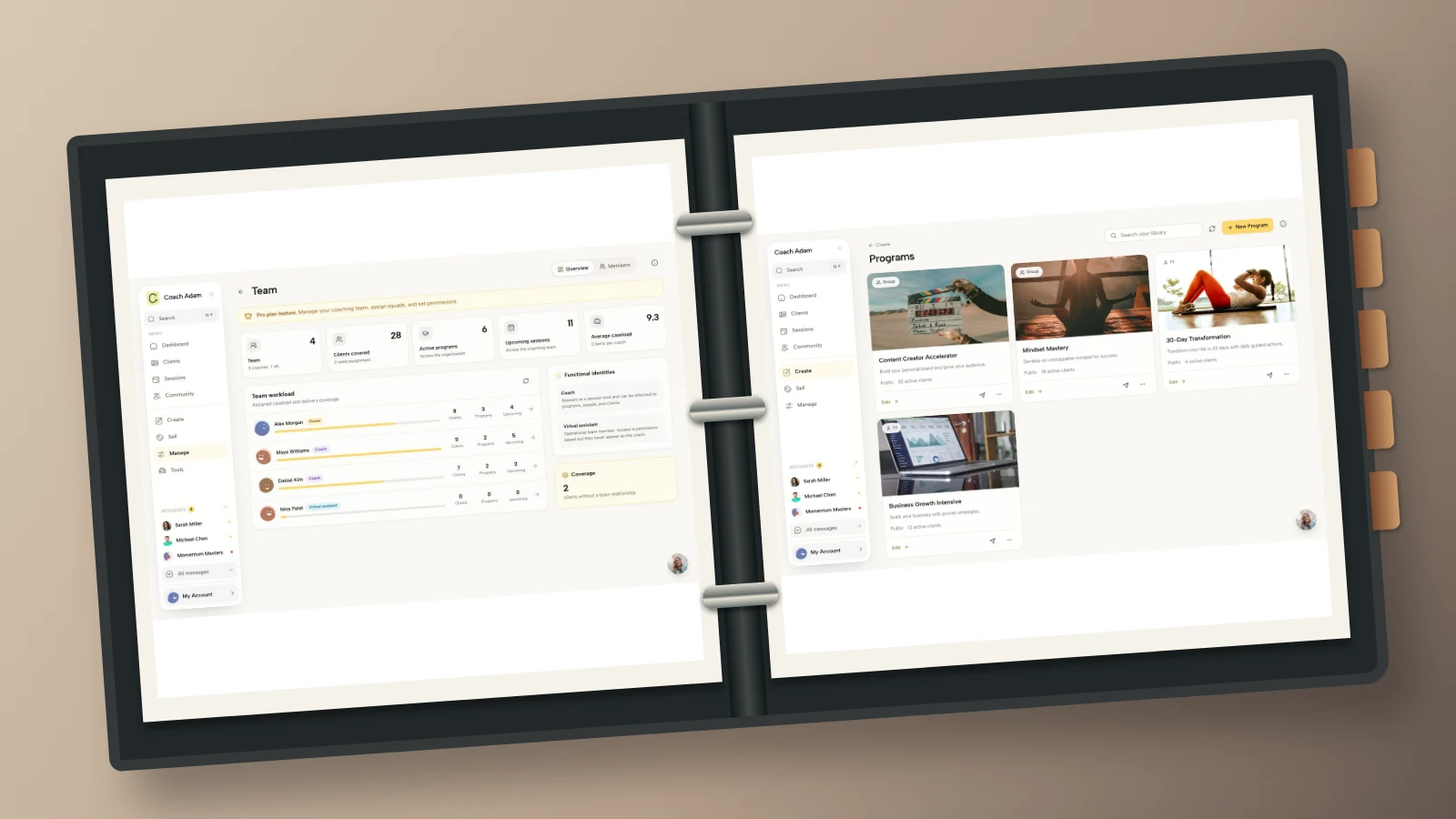
This guide does not claim that capability. The screenshots show real demo program, team, onboarding, participant, payment and integration surfaces. Prepare the response in suitable documents and submit through the buyer's required channel. Coachful does not replace procurement, legal or security review.
Make the response match the practice you can deliver
Begin with the compliance matrix, not the cover page. Then make every proposed commitment traceable to evidence, capacity and a price. Declining a poor-fit tender is a better business decision than winning work you cannot responsibly provide.
If you are evaluating how to organize delivery after an organizational contract, try the interactive Coachful demo. Inspect Programs, Team and the client experience together, then compare those surfaces with your actual specification. That is a useful next step before describing a delivery system in a bid, not proof that the system meets the buyer's requirements.
Source boundary: the Covered California document is a historical procurement example. The response methods, sample matrix and example wording in this article are original editorial guidance, not the buyer's scoring rules or professional legal advice. Product screenshots contain demo data, not client results.