Negative Review Response Examples for Coaches: 5 Privacy-Safe Replies

Nour
Founder, Coachful
How should a coach respond to a negative public review without exposing private coaching information? Keep the public reply short, acknowledge the feedback without confirming a coaching relationship, and offer a business contact route. Investigate any underlying concern privately. Your session notes are not material for a public rebuttal, even when the review feels unfair.
The temptation is understandable: someone has published three sentences, and you have six months of context. But adding that context can create a bigger problem than the criticism. A prospective client needs to see how you handle disagreement, not what you know about the person who disagrees.
These five original negative review response examples are starting points for coaches, not legal advice or guaranteed platform-approved wording. Choose the relevant situation, replace the contact placeholder, and check your agreement, professional obligations and any regulated role before publishing. Sometimes the right response is no public response while you obtain advice.
First decide: reply, report, or get advice?
Separate three decisions that can happen at the same time: whether to publish a reply, whether the review appears to violate the platform's rules, and whether a service concern needs investigation. Reporting a review does not settle the complaint. Correcting a service failure does not buy the right to remove criticism.
- Ordinary dissatisfaction: consider one brief, neutral reply and a private contact route.
- Possible policy violation: preserve the review and report the specific apparent violation through the platform.
- Threats, extortion, personal-data exposure or serious allegations: preserve evidence, assess immediate risks, and obtain appropriate professional, legal or insurer guidance before responding.
- Unclear identity: do not guess publicly or contact a client solely because their circumstances resemble the review.
Google says not to report a review simply because you disagree with it. Only policy-violating reviews qualify for removal through its reporting process. A low rating, vague criticism or a disappointing account of an experience is not itself proof of a violation.

Keep the distinction between coaching ethics and other professions clear. A coach is not automatically subject to a clinician's privacy rules merely because sessions are personal. Equally, a coach who is also a regulated practitioner cannot set aside those obligations when marketing a coaching service. Check the rules that actually apply to you.
1. General dissatisfaction: acknowledge without arguing
Use this when: the review describes disappointment, but does not require an urgent safety, legal or formal-process response. The public reply should show that feedback can be raised without inviting a discussion of private circumstances.
Thank you for sharing your feedback. I take concerns about my practice seriously and do not discuss individual circumstances publicly. If you would like to raise this privately, please contact [business contact route].
This does not say “thank you for being my client,” repeat the reviewer's name, or refer to a package. It also avoids “I am sorry you feel that way,” which can sound like you are apologizing for the person's reaction rather than listening.
Do not add a sentence about how many other clients love your work. A public response is not the place to make someone compete with your testimonial collection. If you offer a contact route, check that it works and that somebody will read the message.

2. A public booking or contact problem: own only what is verified
Use this when: you have independently confirmed a problem with a public-facing process, such as a broken contact link. You can describe a verified general correction without disclosing whether the reviewer used your services.
Thank you for flagging the contact-link problem. The link has now been corrected. For any remaining enquiry, please use [business contact route]. I do not discuss individual circumstances on this page.
Only say “corrected” after testing the actual destination. If the issue is still under investigation, replace that sentence with “I am checking the contact link.” Do not promise that an appointment, refund or access problem has been fixed before you know that it has.
This exception is narrow. A general website correction is different from posting “your payment failed” or “you booked the wrong session.” Those details concern an individual transaction, however administrative they seem. Handle them privately through a verified route.

3. A review you cannot identify: do not publish a client search
Use this when: you cannot reliably connect the review to a known interaction. Display names can differ from the names in your records, so an unsuccessful search does not establish that the account is fake.
I take feedback about my practice seriously. I cannot assess individual circumstances through public comments. Please contact [business contact route] if you would like me to review a specific concern privately.
Avoid “you have never been a client” unless you have obtained appropriate advice about the facts and disclosure implications. Even a denial can pull you into an argument about dates, identities and relationships. The neutral version does not accuse someone of inventing an experience.
If a person contacts you privately, verify identity proportionately before discussing records. Do not ask for a public order number, appointment date, employer or screenshot of their client portal. Keep any identification request limited to what you actually need.

4. A disputed account: set the boundary, not out the history
Use this when: the review includes claims you dispute, but a public factual rebuttal would require private information. You can maintain a boundary without conceding every allegation or implying that the person is dishonest.
I take concerns about my practice seriously. Protecting private information means I will not discuss individual circumstances here. Concerns can be raised directly at [business contact route], where I can explain the appropriate review process.
Do not append “there are two sides to every story.” Readers often hear that as an invitation to imagine something embarrassing about the reviewer. Similarly, “confidentiality prevents me from telling the truth” can insinuate private facts while claiming to protect them.
Review the disputed issue separately. Preserve relevant records without silently editing old notes. If a factual correction is needed in your internal record, date it and distinguish it from the original. For the subsequent private conversation, use our coaching complaint response templates; those are not public-review replies.

5. A repeated public exchange: stop the debate
Use this when: you have already offered an appropriate private route and the exchange is becoming repetitive. This is not a substitute for investigating a serious concern, and you should not publish a final-word message merely to feel that you won.
I will not discuss individual circumstances in public comments. The appropriate contact route remains [business contact route]. I will address concerns through that process rather than continue this exchange here.
Often you do not need a second response at all. Check the platform's reply format before assuming you can or should conduct a thread. If you update an existing reply, keep it restrained rather than accumulating a chronological defense under the original review.
Do not recruit friends, clients or colleagues to confront the reviewer. Do not post the review in your community and ask followers to “set the record straight.” A pile-on can expose participation and intensify harm, even if you never share a session note yourself.

Delete these details before publishing any reply
Read the draft as if the reviewer, their employer, a family member and a future client will all see it. Removing a surname is not enough if the remaining detail identifies a person or confirms private participation.
- Relationship confirmation: “During our sessions,” “as your coach,” or “when you enrolled.”
- Session content: goals, exercises, personal circumstances, health information or conversations.
- Administrative history: missed appointments, payment status, package usage, refunds or support requests.
- Third parties: an employer, sponsor, partner, colleague or another participant.
- Character judgments: “uncommitted,” “resistant,” “unreasonable” or claims that the person did not do the work.
- Revenge by implication: suggestions that confidential facts would embarrass the reviewer if disclosed.
A reviewer's own disclosure is not blanket permission for your additional disclosure. The ICF's ethics resources emphasize confidentiality and clear agreements; consult the current code and your applicable commitments. Do not assume that defending your business creates an exception.

If you think the review breaks platform rules
Capture the review URL, visible wording, date observed and any relevant reporting reference. Store this evidence with suitable access controls. Preserve necessary information; do not circulate a dossier containing unrelated coaching records.
Use the platform's current reporting route and identify the apparent policy issue accurately. On Google, the Business Profile review tools provide reporting and status checks. Google's guidance also describes a one-time appeal after a report is rejected. Follow the instructions in your account rather than repeatedly submitting the same complaint through unrelated channels.
Do not promise yourself removal by a particular date. A report can be rejected, and a negative opinion may remain. For threats or attempted extortion, preserve the original messages and seek appropriate advice; a public reply template is not a safety plan.
Keep any remedy independent of the rating. Never make a refund, owed deliverable or fair complaint review conditional on deleting or improving a review. Do not offer a reward for changing the account. You can repair service without purchasing silence.

Make the private follow-through real
The contact invitation creates a practical obligation: have a process capable of receiving and reviewing the concern. Assign an owner, acknowledge receipt through an appropriate verified channel, and state a realistic next update. Do not turn the public reply into a polite dead end.
Keep public and private drafts separate. Your internal review may need detailed evidence. Your public draft usually needs none of it. Before posting, ask another authorized person to check for accidental disclosure if the situation or your emotional reaction makes that useful. Share only what that reviewer needs.
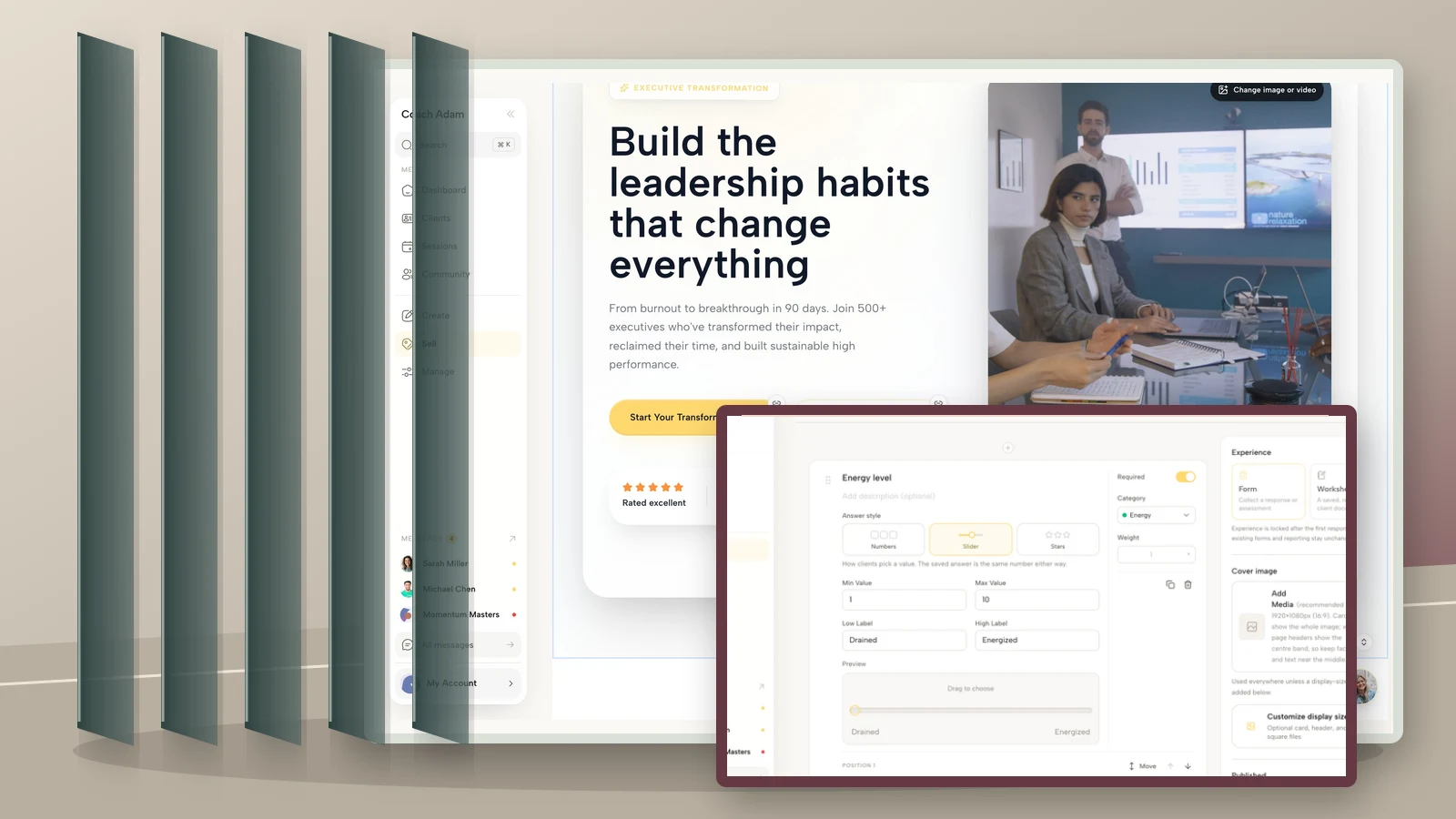
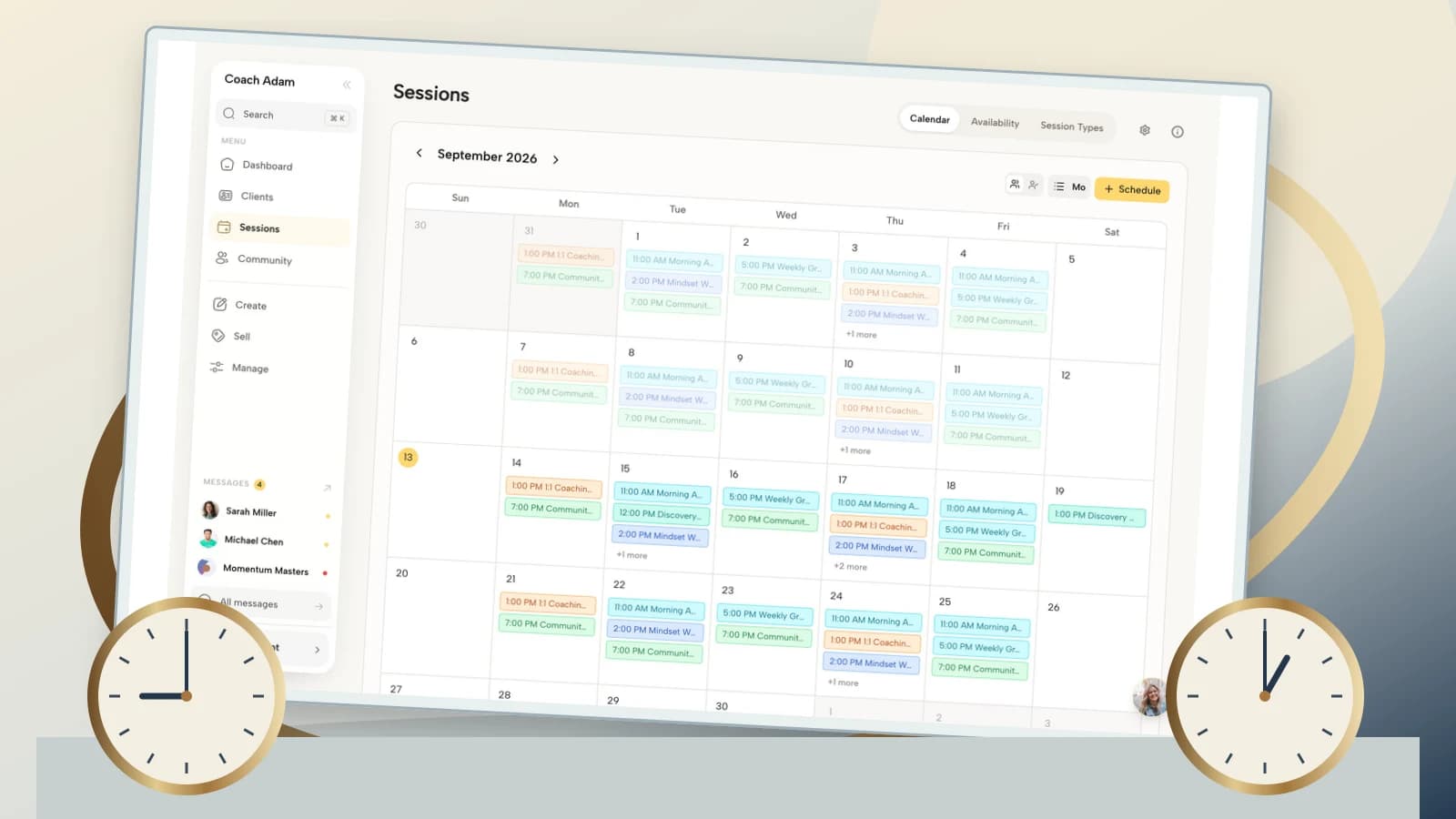
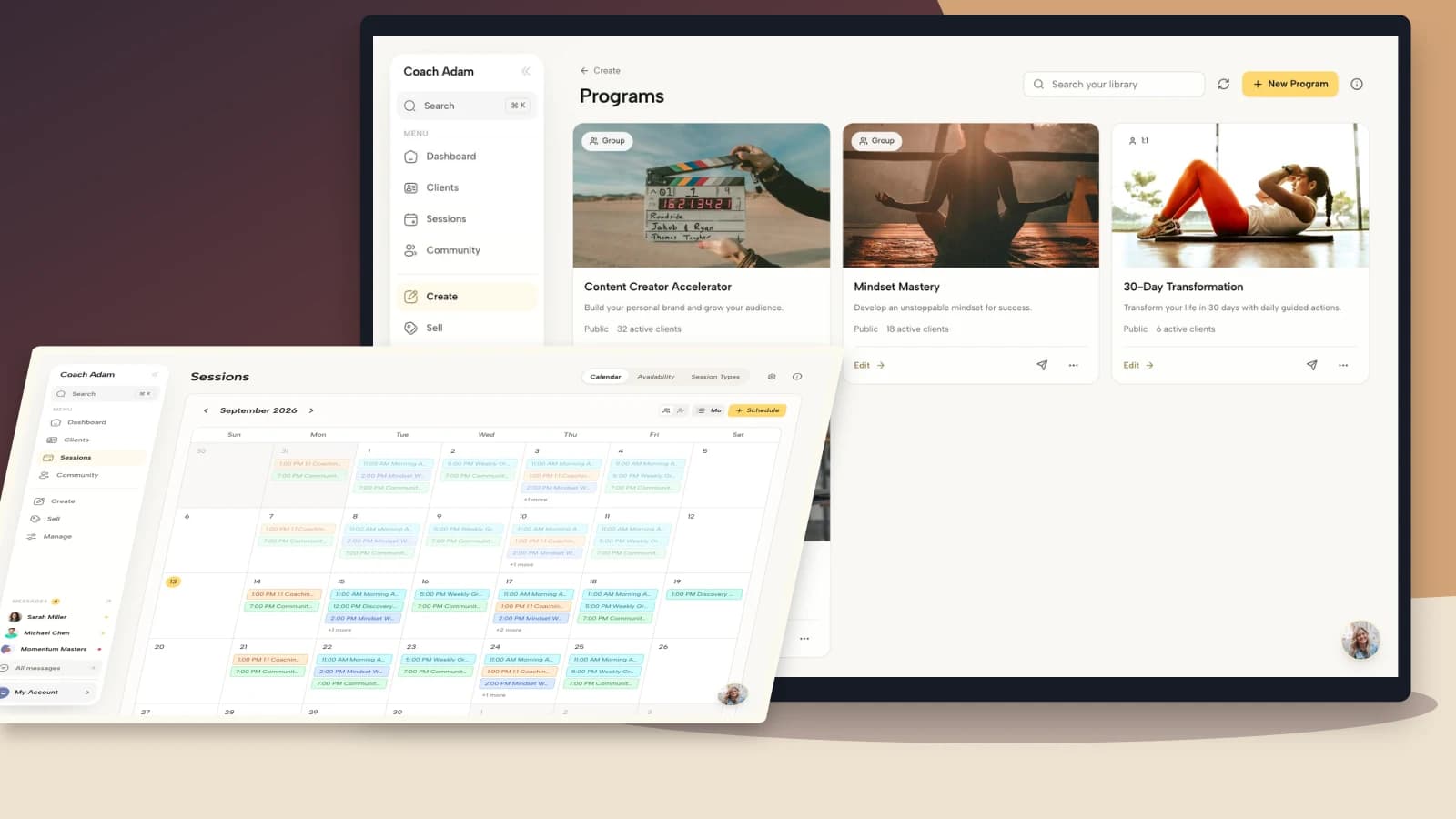
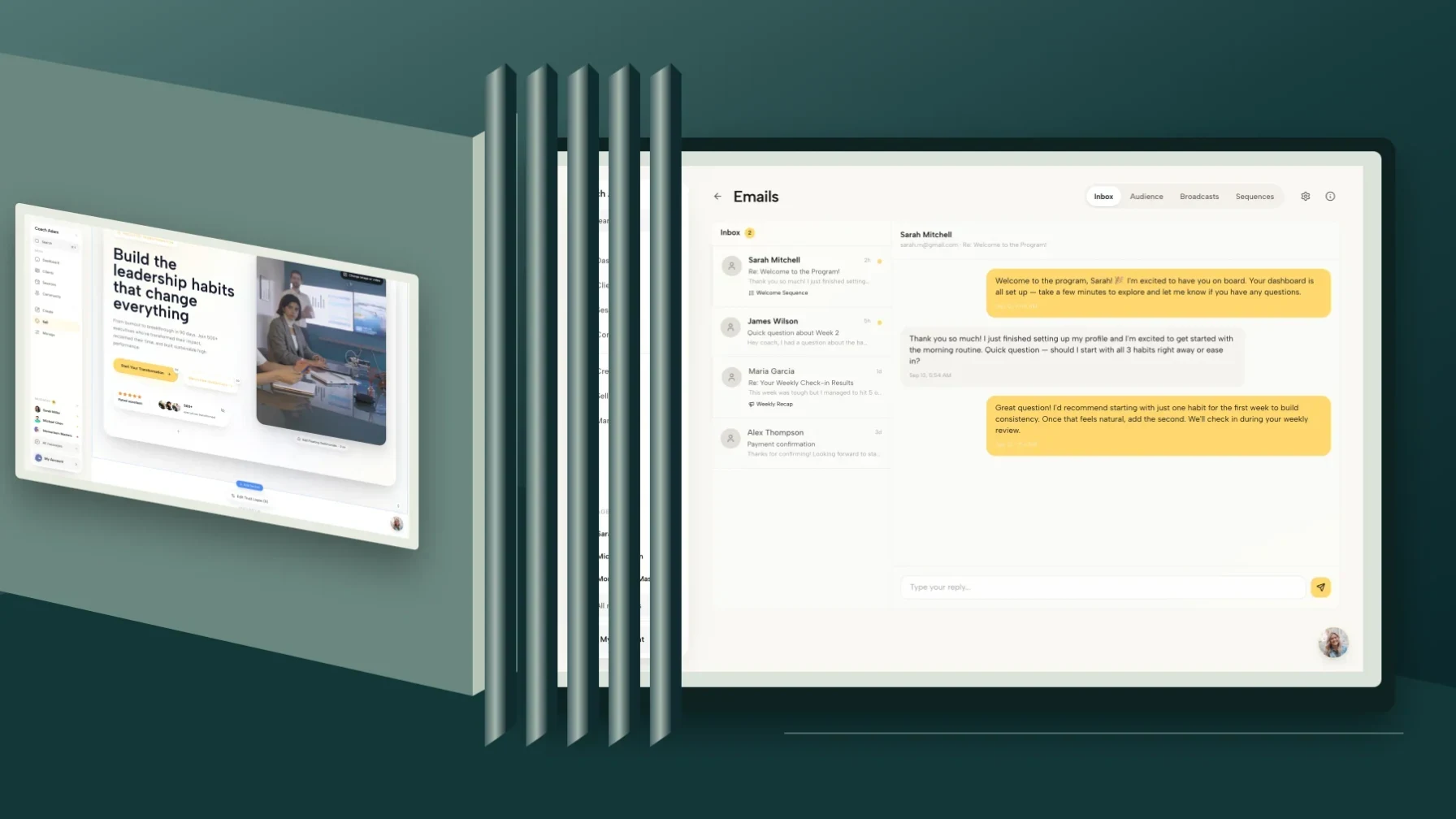
The Coachful screenshots here show real demo client, email, chat and website surfaces. They illustrate private communication and contact-route checks, not native review monitoring, Google review replies, case management or automated reputation repair. A client dashboard is not evidence that criticism is false, and a group channel is not a suitable place to litigate it.
If you want to test that boundary in your own workflow, try the interactive Coachful demo. Use fictional details to inspect the difference between a client record, a private conversation and a public contact destination. Decide who can access each before a real complaint puts the process under pressure.
Questions coaches ask about negative reviews
Should I reply to every one-star review?
No universal rule requires that choice. Consider the review's content, your obligations, the risk of drawing attention to sensitive material and whether specialist advice is needed. A short neutral reply may help, but silence during a careful assessment is better than an impulsive disclosure.
Can I apologize without admitting every claim?
You can acknowledge feedback without making a factual finding. Where you have verified a public process failure, own that specific failure. For allegations with legal, insurance or professional implications, obtain advice rather than relying on a wording trick to protect you.
Can I ask the person to remove the review after resolving the issue?
Do not make service repair conditional on a review change or pressure someone through the coaching relationship. The reviewer controls their own account of the experience. Follow applicable platform rules and professional obligations, and focus on completing the remedy you actually owe.
Should an assistant or AI write the reply?
Do not paste confidential records into a drafting tool without an appropriate basis and safeguards. A generic template can help you begin, but a responsible human should check the actual situation, contact destination, claims and disclosures before anything becomes public.
Protect the next person's trust
The best public reply demonstrates restraint; the real repair happens through an appropriate private process. Choose one response, remove identifying detail, verify the contact route and follow through. You do not need the internet to see your entire evidence file to run a responsible coaching practice.
Sources checked for this article: Google's review-reply guidance, Google's reporting and appeal guidance, and the ICF Code of Ethics (effective 1 April 2025). This is coaching-practice guidance, not jurisdiction-specific legal, clinical or insurance advice.