Keep Discovery Call Bookings Safe Without Scaring Off Real Leads

Your booking link is how clients find you. It is also an open door into your calendar, your inbox and, if you are not careful, your personal phone. A post titled "Safety Alert for Coaches" described the worst version: an individual "has been booking discovery calls with female coaches and then following up with harassing behavior (emails, texts, even finding personal numbers)." The fear that follows is understandable: lock everything down and lose real leads, or stay open and stay exposed.
The short answer: you do not have to choose. Add one light screening step before the calendar, run every lead conversation through business-only contact details, and write down your escalation path before you need it. Genuine prospects barely notice the screening. People acting in bad faith lose the easy access they rely on.
Coachful details were checked on 2 October 2026. This is practical guidance, not legal advice; if you feel threatened, contact local police.
Screen discovery call requests without adding friction
A few short questions before someone picks a time do two jobs: they help you prepare, and they make a booking feel accountable.
- Full name and business email. Real prospects give them without thinking.
- "What would you like help with?" A specific answer is a good sign; a blank or odd one is worth a second look.
- "How did you hear about me?" Useful for marketing and for spotting patterns.
Keep it to two or three questions. Anything longer starts costing you the leads you want. If an answer worries you, you can decline politely: "Thanks for reaching out. I don't think I'm the right fit, and I wish you well." For how screening fits your sales process, see discovery sessions vs paid first sessions.

Separate business contact details from personal ones
The harm in the Reddit post escalated when personal numbers were found. Close those routes:
- Use a business email and, if you need one, a separate business phone number. Never put your personal mobile on a booking confirmation.
- Keep lead and client conversation in a platform chat or business inbox, not personal messaging apps.
- Run calls through a link from your booking tool rather than calling from your phone.
- Check what your website, social profiles and business registrations reveal: a home address or personal number is easier to remove before someone looks for it.
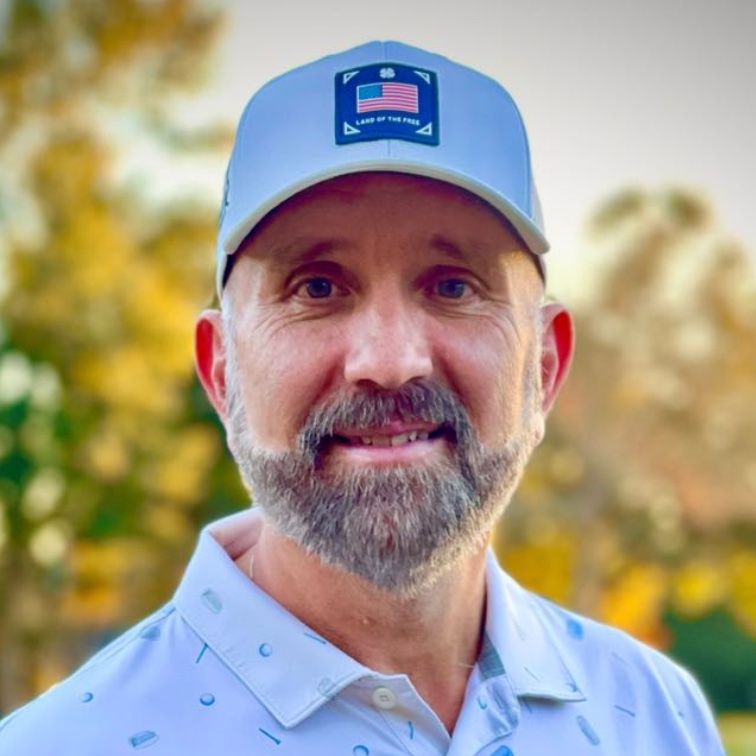
Jason Hanson explains how to limit the personal information people can find about you online. Source: YouTube.

Write your escalation path before you need it

- Screen. Decline bookings that worry you.
- One boundary message. If follow-up turns personal: "I keep all contact to business matters. I won't be continuing this conversation."
- Stop replying. Further replies usually feed the behavior.
- Block and document. Save screenshots, dates, emails and numbers before blocking. Keep them somewhere safe.
- Report. To the platforms involved, to coaching communities you belong to if you choose, and to police if there are threats or someone turns up in person.
Writing this down now means you act on a plan instead of second-guessing yourself in the moment. The same thinking applies to clients; see between-session boundaries and ending an engagement that is not a fit.

How Coachful helps keep bookings safer
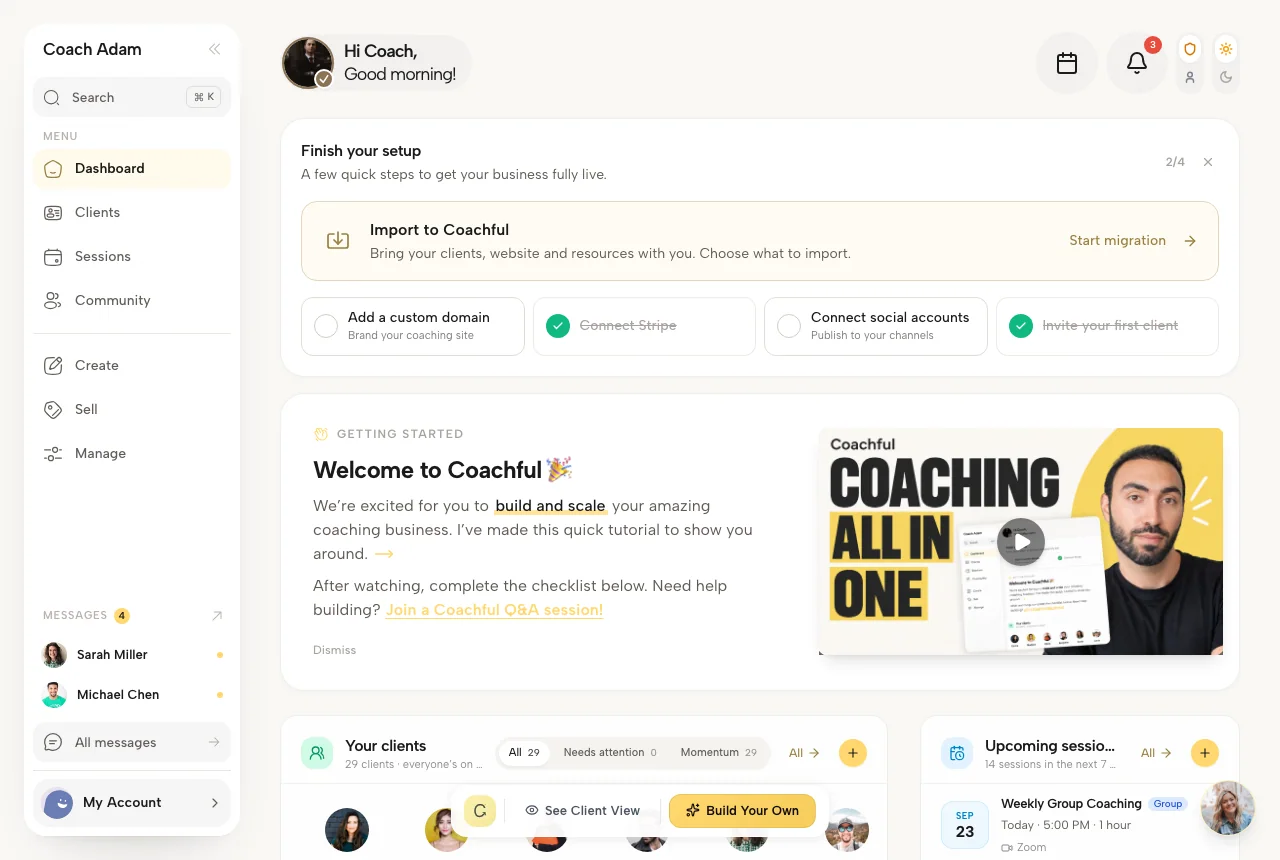
Coachful booking pages can ask intake questions before a time is chosen, and the answers attach to the client record. Application funnels add a screening step when you want more. Calls run on built-in video, so you share a link rather than a number, and the video is included rather than a separate subscription. Leads and clients can message you through direct messages and group chat inside the platform, and your website, client home and emails can carry your own domain and branding. Reminders go by email, plus SMS or WhatsApp once messaging is enabled. Coachful does not screen people for you; the judgment stays yours. See scheduling features. 7-day free trial, card required, no charge during the trial, cancel in one click.
Frequently asked questions
Will screening questions reduce my discovery call bookings?
Two or three short questions rarely put off a genuine prospect, and they help you prepare. Long forms are what cost bookings.
Should I name a harassing booker publicly?
Be careful. Document everything and report it to the platforms and, if needed, the police. Sharing a warning in a private coaching community is a personal choice; publicly naming someone carries its own risks.
What should I save if a lead starts harassing me?
Screenshots with dates, original emails, phone numbers, booking details and any intake answers. Save them before you block.
Do I need a separate business phone number?
If clients or leads ever need to call or text you, yes. Otherwise, keeping all contact in email and platform chat removes the need to share a number at all.