
VIP Day Coaching: 10 Formats, What to Charge and How to Run One

This is for coaches who already deliver well one hour at a time and keep meeting the same client: the one who does not need twelve weeks of gentle unpacking, who needs a decision made and a thing built before the end of the month. Every week you spend forty minutes re-establishing context a single uninterrupted stretch would have settled once.
VIP day coaching is good when the client leaves holding something that did not exist that morning. A rewritten offer, a hiring plan, a finished parenting agreement, a ninety-day operating rhythm they can show someone else. If the honest output is "they felt a lot", you have sold a retreat and called it an intensive, and the refund conversation arrives about nine days later.
Ten formats below, grouped by who is in the room and how long it runs. Every price, run sheet and agenda here is an example written to show the shape rather than a market rate, so test it against your own costs. Coachful facts, including pricing, were checked on 15 September 2026.
What is a VIP day in coaching?
A VIP day is a single block of coaching, usually three to seven working hours, sold as one outcome at one price instead of a series of sessions. The client buys a finished result and a date, and you clear the calendar around it.
The word VIP is doing sales work rather than describing the person. What changes is the unit you sell. A weekly engagement sells access over time, and progress depends on what the client does between Tuesdays. A VIP day sells a compressed piece of work, and the progress happens in front of you, which is why it suits problems that stall rather than problems that need to be lived with.
It also changes who carries the risk. A twelve-week package lets both of you correct course, and a day does not. Mis-scope the outcome and you find out at hour four with no second Tuesday to fix it in, which is the whole argument for the preparation work described further down this page.

How do you choose which VIP day format fits you?
Four questions decide it, and they take about ten minutes to answer honestly. The trap is answering them about the practice you want next year rather than the one booking clients this month.
1. Is the outcome a decision, a document, or a repair? Decisions fit a half day. Documents, meaning anything built or written, need a full day because building is slower than talking. Repairs, the relationship and burnout kind, need a full day plus a follow-up.
2. How many people have to agree at the end? One person can move fast. Two people need a structure for disagreement. A team of eight needs facilitation skill, which is genuinely different from coaching skill, and pretending otherwise is how coaches never sell a second corporate day.
3. Can the client actually be absent for a day? Parents of small children, shift workers and founders mid-raise often cannot. The split format exists for them and converts better than arguing.
4. Are you in the room or on a call? In person supports seven hours. Video supports about four before the quality drops, whatever you both tell each other. A full day on video needs the split format, not a longer call.
Video has a ceiling. In person supports about seven working hours, video supports about four, which is why a full-day price on a video day usually needs two half-days instead.
Which VIP day formats work for one client at a time?
These four are where most coaches start and where the money is most predictable: one buyer, one decision-maker, no facilitation overhead.
1. The half-day strategy intensive
What it is. Three to four hours, one question, one decision at the end. Usually 9am to 1pm so nobody has to solve lunch.
When to use it. The client is stuck between two or three defined options and has been for weeks. Should I hire, should I niche, do I leave this job. There is enough information already, and what is missing is uninterrupted thinking with someone who will not let them change the subject.
Worked example. A business coach sells a half day at an example $850. The client sends a one-page brief two days before. Hour one maps the real constraint, hour two runs each option to its consequences, hour three tests the leading option against money, time and the client's actual appetite, and the last thirty minutes writes the decision and the first three actions into a shared document.
Mistake to avoid. Letting the client bring three questions. A half day answers one. Two questions produce two half-answers and a client who cannot describe what they bought that evening.
2. The full-day deep work session
What it is. Six to seven hours with a real break, one substantial outcome, usually in person.
When to use it. The outcome is complex enough that the client cannot hold all of it at once. Business model rebuilds, a year plan, a career pivot with financial modelling behind it, a book structure. The extra hours let you go back and fix what you both agreed at hour two once hour five has proved it wrong.
Worked example. Seven hours, 9am to 5pm, an example price of $1,800. Morning is divergent: everything on the wall, no filtering. Afternoon is convergent: cut, sequence, assign dates. The final hour is the client presenting the plan back while you write down every place they hesitate, and those hesitations become the follow-up agenda.
Mistake to avoid. Filling all seven hours with talking. The client should be writing, drawing or building for at least two of them while you sit nearby. Coaches who cannot bear a quiet room turn a build day into a long conversation.

3. The done-with-you build day
What it is. A full day where you and the client produce the asset together, with your hands on it and not only your questions.
When to use it. The client knows what they want and cannot execute it alone. Sales page copy, a pricing structure, an onboarding sequence, a difficult letter to a family member. This format sits on the line between coaching and consulting, so say so in the sales conversation rather than discover it at hour three.
Worked example. A marketing coach runs a six-hour build day at an example $2,200. The client arrives with an existing page and audience notes, and you work on one screen. The client writes, you edit live, and by hour five the page is published rather than drafted. The day ends with them sending it to five people while you are still in the room, because unsent work stays unsent.
Mistake to avoid. Doing the work while the client watches. They will love the day and be unable to repeat it, and repeatability is the only reason they would refer you.
4. The reset day
What it is. A full day aimed at a person rather than a project. Burnout, grief, the end of something, the point where someone has been functioning and has stopped.
When to use it. When the presenting problem is described in business language but the real content is capacity. A reset day is not therapy and does not replace clinical care, and part of your job is knowing when to say so and refer.
Worked example. Five hours with a longer break, an example $1,400, in a room that is not an office. Morning is an honest inventory of where energy currently goes. Midday is what comes off the list, by name, including the two things the client has been protecting. Afternoon builds a plainly boring weekly rhythm and a script for the three conversations that make it real.
Mistake to avoid. Sending them home with a new schedule and no conversation scripts. The schedule fails on Wednesday when their boss asks for something, and the scripts are what survive contact.
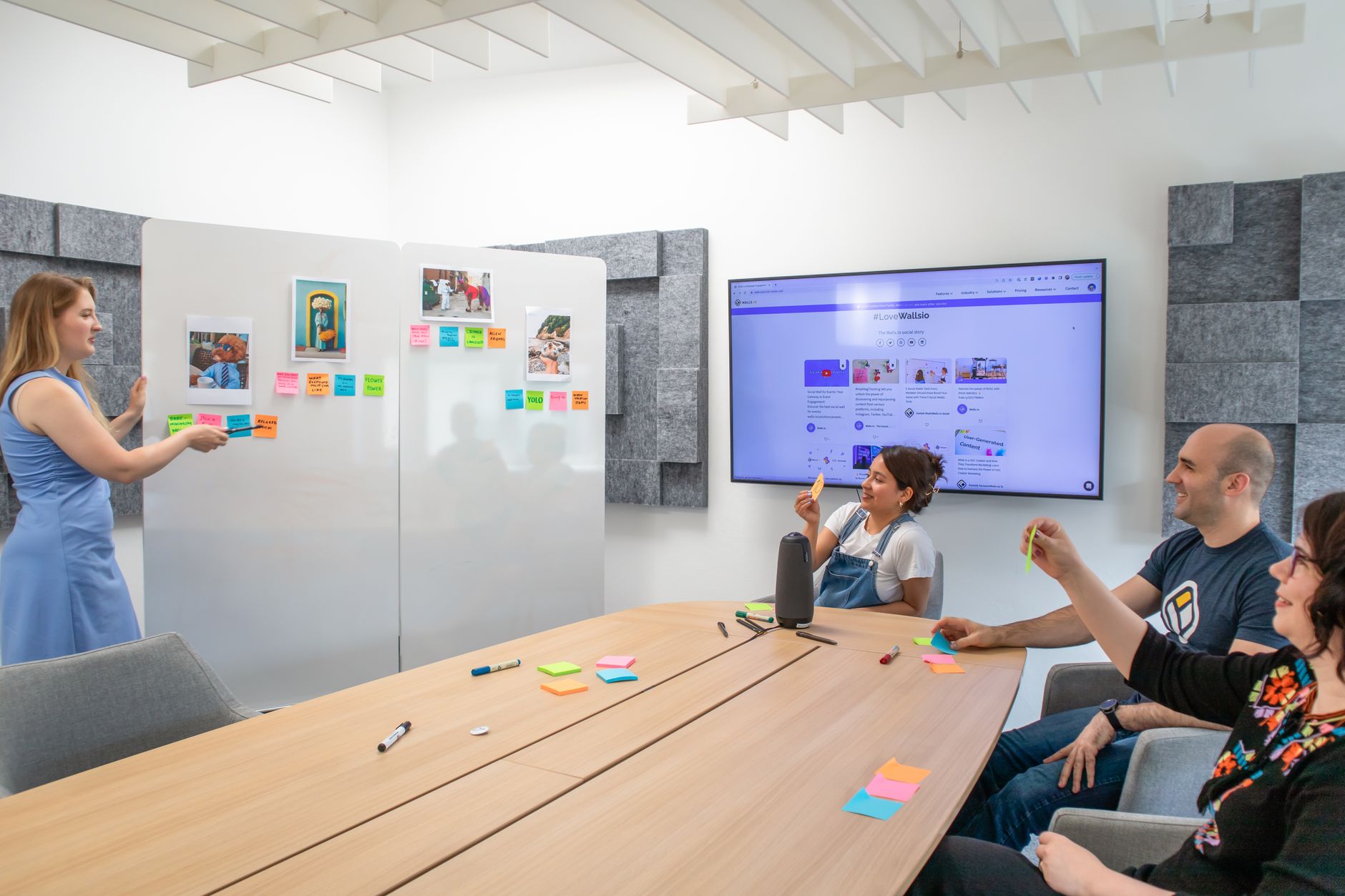
Which VIP day formats work for more than one person?
These three carry higher prices and more risk. The risk is room management rather than coaching, and it is worth practising on people who already like each other before selling it to a company.
5. The duo day
What it is. One day, two people who have to keep working together afterwards. Co-founders, a couple, a parent and an adult child, two partners in a practice.
When to use it. There is a decision neither person will make alone, and the ordinary conversation has become a loop. The day works because it removes the exit: nobody has to go to work at 2pm.
Worked example. Six hours, an example $2,400, with a separate half-hour call with each person beforehand so you arrive knowing what neither will say first. The structure is deliberately rigid: each speaks uninterrupted for a set time, you reflect back before either responds, and the afternoon writes the agreement in their words. They both sign it before leaving, even informally.
Mistake to avoid. Taking the room's temperature as the agenda. If you let the day follow the argument, the louder person sets it. The structure is the product here.
6. The small-group VIP day
What it is. Four to eight people who do not work together, each bringing their own problem, buying a seat rather than a day.
When to use it. When your one-to-one day sells but slowly, and your list contains people who want the outcome at a lower price. The peer value is real: people take advice from someone in the same chair more readily than from the person being paid.
Worked example. Six seats at an example $600 each, one day, six hours. Twenty minutes of framing, then a timed hot seat each with the group contributing, and a final hour where everyone writes their own plan in silence and reads one line aloud. Timekeeping is the whole job, because a hot seat that runs eleven minutes long steals from the last person, who paid the same.
Mistake to avoid. Selling seats with no floor. Set a minimum, tell buyers the date confirms once it is reached, and refund cleanly if it is not. Running a six-seat day for two people costs you the day and teaches the two that nobody wanted it.
7. The corporate team day
What it is. A full day with an intact team, bought by an organisation, usually with an HR or people lead as the actual buyer and the team lead as the person who has to live with the result.
When to use it. Only when you can get a scoping call with the sponsor and a short conversation with two or three team members first. Without that you are walking into a room whose real problem nobody has told you about, and it surfaces at hour two.
Worked example. A full day at an example $4,500 plus travel, invoiced to the company with a purchase order number, half payable on booking. Morning surfaces how the team actually works now, including the parts nobody says in front of the manager. Afternoon converts that into a few working agreements with named owners and review dates. The report to the sponsor contains themes, not attributions.
Mistake to avoid. Accepting the brief the sponsor gives you without testing it. "We need better communication" is almost never the problem. Ask what specifically went wrong most recently, and scope the day to that.

Which VIP day formats run longer than one day?
Three variations for when a single block is not enough or not possible. All three are sold as one outcome at one price, which keeps them VIP days rather than short packages.
8. The two-day intensive
What it is. Two consecutive days, with the overnight gap doing real work. Usually in person, usually travel is involved.
When to use it. When the outcome depends on the client changing their mind about something, and minds change overnight rather than at 3pm. Founder identity work, a career change with a family attached, a rebrand that is really a repositioning.
Worked example. Two days at an example $3,900. Day one ends on purpose with an unresolved question and one piece of homework that takes an hour. Day two opens with what they thought at 6am, which is usually where the useful material is, and buying that morning is the entire reason the format costs more.
Mistake to avoid. Scheduling a dinner together on the night between. The gap is for them, not for rapport. Offer it, do not plan it.
9. The split VIP day
What it is. The same day cut into two half-days, usually a week or two apart, sold at one price as one engagement.
When to use it. For clients who cannot clear a full day, for video delivery, and for any outcome that needs the client to go and check something in the real world. Ask a price, test a message, have the conversation with their manager.
Worked example. Two four-hour blocks eleven days apart at an example $1,800, the same as the full-day price because the outcome is the same. Block one produces a draft plus three things to test, the eleven days are the test, and block two revises the draft against what actually happened. For many clients this beats the uninterrupted version, and it converts more easily because nobody has to find a whole free day.
Mistake to avoid. Discounting it because it "feels like less". It is the same hours across more of your calendar, and the second block needs re-preparation the full day does not.
10. The VIP day with a follow-through container
What it is. A day plus a fixed period afterwards, most commonly thirty days, in which the client has structured support to actually do what the day produced.
When to use it. Nearly always, and especially for anything behavioural. This is what turns a good day into a testimonial, because the client's result appears in the thirty days rather than the seven hours.
Worked example. A full day at $1,800 plus thirty days at an example $700, or $2,300 bought together. The thirty days contain the plan broken into weekly goals with daily tasks, two or three habits tracked, a short check-in each morning and evening, and two twenty-minute calls. The client is buying the structure that makes week three survive, which is where every plan written on a Friday quietly dies.
Mistake to avoid. Offering "email support for thirty days" instead of a structure. Unstructured support is used by the clients who need it least and ignored by the ones who need it most, and it costs you attention you cannot schedule.
Example bundle maths. A $1,800 day and a $700 thirty-day container sold together at $2,300 raises the average order value while giving the client a reason to say yes, because the result lives in the thirty days.

What should you charge for a VIP day?
Start from a floor, not from what feels bold. The floor is your hours in the day, plus preparation, plus the follow-up, plus the sessions you did not sell because the day occupied the calendar, priced at your current hourly rate. Anything below that floor is a pay cut wearing a nicer label.
Work an example. A coach charging $150 an hour builds a seven-hour day. Delivery is seven hours, preparation is three, and follow-up is two. That is twelve hours, so the floor is $1,800. Then look at what the day displaces: a full Thursday costs you four or five one-to-one sessions you would otherwise have delivered, roughly another $600 to $750 of capacity gone.
So $1,800 is the floor and also roughly break-even against a normal Thursday. The day earns its place above that number, and whether it earns $2,400 or $4,000 depends on the outcome rather than the hours. A day that settles a hiring decision for a company is not priced like a day that produces a personal weekly rhythm, even if both take seven hours.
Four costs coaches forget when quoting. Room hire, if you are not working from home. Travel and a night's accommodation for another city, invoiced at cost rather than absorbed. Lunch for an in-person day. And recovery, because a full day realistically occupies a day and a half of your week.
On payment terms, the workable rule is that the money clears before the day happens. Not on the day, before. Cancellation inside seven days is non-refundable and reschedulable once, because you cannot resell a Thursday on the Tuesday.


What does the run sheet for a VIP day look like?
A full day has four movements and two of them are not coaching. Here is an example seven-hour in-person day, where the times matter more than they look.
The week before is part of the day. The brief goes out seven days ahead: three questions, no more, plus anything you need them to bring. A twenty-minute call four days before agrees the outcome in one sentence you both repeat back, and if you cannot get that sentence agreed, move the date rather than hoping the morning fixes it. The agreement is signed and the payment has cleared by this point.
9:00 to 9:30, landing. No coaching. Where they are, what happened this week, what they are quietly hoping does not come up. Skip this and you spend hour two discovering it.
9:30 to 12:30, divergent. Everything out, nothing filtered, with a break around 11:00. This is the block where the client should be writing or building rather than only speaking, and your job is to stop the room resolving too early.
12:30 to 13:15, a real break. Separate if possible. A working lunch feels productive and reliably costs you the afternoon.
13:15 to 15:30, convergent. Cut, choose, sequence, put dates and names on things. Resistance shows up here rather than in the morning, and resistance at 2pm tells you what will not actually get done.
15:30 to 16:30, the client presents it back. They talk, you write. Every hesitation is a line in the follow-up plan. This is the hour clients quote back to you months later.
16:30 to 17:00, the handover. The first three actions with dates, who they are telling, and what happens next week. Book the follow-up call in the room, on a real date, before they leave.
Within three days, the write-up. Short. The agreed outcome, the decisions, the actions with dates, and the things you noticed that they did not say out loud. It needs to live somewhere they will look at it again, which is the argument for a client portal over a sent PDF.
Twelve hours, not seven. An example seven-hour day carries three hours of preparation and two of follow-up behind it, which is why the floor price is built on twelve billable hours rather than the hours in the room.

How do you set up a VIP day in Coachful?
You build it as one offer with one price, attach a session type and a follow-through programme, and let the agreement and the payment run before the date arrives. The client record then holds the booking, the signed agreement, the payment, the pre-day worksheet and the write-up on one person, which is what stops a VIP day living in four apps.
Coachful is a coaching platform for solo coaches and small teams who sell packages, programmes and days rather than loose hours. It runs from $29 a month on Lite for up to 5 clients, $49 on Solo for up to 20, and $99 on Pro for unlimited clients, with Studio at $199 for three coach seats and Agency at $299 for six. There is a 0% platform fee, so after Stripe or Razorpay processing you keep the rest, and the trial is 7 days with a card required, no charge during the trial and cancellation in one click. What it does not do: there is no free plan, it is GDPR-ready but not HIPAA-certified, and you do not import your old client list yourself from a spreadsheet, because the team imports your clients, programmes and content for you during onboarding. Public rating is 4.5 on Trustpilot from 21 reviews.
The ten formats above map onto it like this:
- Offers hold the price and the payment type, so a $1,800 day and a $2,300 day-plus-container are two offers with one-time payment or a payment plan behind them.
- Scheduling covers the booking page, availability rules, buffers and time zones, with two-way Google, Apple and Outlook sync so a seven-hour block cannot be double-booked from your phone. Session types carry the duration and either built-in video or an auto-created Zoom, Meet or Teams link.
- Agreements go out with e-signature before the date, which is where the cancellation window and the payment terms belong.
- Forms and worksheets carry the pre-day brief and can be required before the session, so you are not chasing answers on the Tuesday.
- Programmes hold the follow-through container: weekly goals, daily tasks, habits and morning or evening check-ins for the thirty days afterwards.
- Cohort squads are created when people enrol in a group programme, which gives a small-group day its own chat and feed.
- Invoices can be issued separately from checkout, which makes the corporate day workable with a purchase order.
- The link-in-bio hub carries booking and checkout, so a day sells from Instagram without a website behind it.
- Michelle, the AI assistant, works from your live practice data, drafts the run sheet and the follow-up plan, and acts once you confirm.
For more on the pieces behind that list, see our scheduling software guide, our coaching agreement template, and our coaching payment software comparison.


If you are working toward a credential, the coach development panel counts hours and clients against the ICF ACC, PCC and MCC thresholds, and a seven-hour day is a lot to leave unlogged. For the wider offer set these days sit inside, see life coaching package examples.
What mistakes make a VIP day fall flat?
Almost all of them happen before the day, which is good news, because that is the part you control with a checklist rather than with skill on the morning.
Selling a day to someone who wanted a package. Habit change, confidence, grief and anything where the work is in the repetition will not fit in seven hours, and selling a day into that need produces a client who is polite on the day and disappointed by month two.
No agreed outcome sentence. If you and the client cannot both say the outcome in one sentence before the date, you have two different days planned. This one check prevents more bad VIP days than any agenda.
Taking payment on the day. The money clears first. Chasing a $1,800 invoice after the work is delivered leaves you with nothing to hold, and it happens often enough to belong on every checklist.
No container afterwards. Plans decay quickly without structure, and the formats without a thirty-day follow-through generate fewer referrals for the same effort.
So which VIP day format should you build first?
Build the half-day strategy intensive. It is the easiest to sell because a client can imagine four hours, the easiest to deliver because it holds one question, and the cheapest to get wrong. Run three before you build anything longer.
Then add the follow-through container, because it is the change that most improves both the client's result and your revenue for the same delivery hours. Only after that should you look at the full day, the duo day or the group version.
Three exceptions. If you already deliver group programmes well and have a waiting list, the small-group day fills a calendar faster than three private half-days. If your clients are companies, skip to the corporate day and put your effort into scoping rather than format variety. And if you coach on video only, build the split day first.
Frequently asked questions
What is a VIP day in coaching?
A single block of coaching, usually three to seven working hours, sold as one outcome at one price rather than as a series of weekly sessions. The client buys a finished result and a date. It suits problems that have stalled, such as a decision between defined options or a plan that never gets written, because compression removes the weekly restart where both of you spend the first part of every call re-establishing context.
How much should I charge for a VIP day?
Price from a floor rather than from a feeling. Count the delivery hours, the preparation, the follow-up and the sessions the day displaces, then multiply by your current hourly rate. In our example, a coach at $150 an hour running a seven-hour day carries twelve billable hours, which sets a floor of $1,800 before the outcome is valued at all. Above that floor, the price reflects what the decision is worth, not how long the room was booked.
How long should a VIP day be?
Three to four hours for a single decision, six to seven for anything the client has to build, and two half-days when a full day cannot be cleared or the delivery is on video. Video has a real ceiling at about four hours however well the day is designed, so a full-day price on a video engagement needs the split format behind it rather than a longer call.
Can you run a VIP day on Zoom?
Yes, with two changes. Split it into two half-days rather than running seven hours on a screen, and make the client build something visible in the gap so the second block has new material. In Coachful the session type carries the duration and either built-in video or an auto-created Zoom, Google Meet or Teams link, so the two blocks can have different booking rules from the same offer. Charge the same as the in-person version and invoice travel separately at cost rather than hiding it in a higher rate.
What should be included in a VIP day package?
A pre-day brief and a short preparation call, the day itself, a written output the client leaves with, a follow-up call, and a defined period of structured support afterwards. The last item is the one most coaches leave out and the one that produces the testimonial, because the change happens in the thirty days after the day rather than inside it.
Do I need a contract for a VIP day?
Yes, and it matters more than for a weekly package because the whole fee and a whole day are at stake in one event. Cover the outcome, the date, the fee, the payment timing, the cancellation window, the reschedule policy and confidentiality. Coachful sends agreements with e-signature before the date is held. Nothing here is legal advice, so have a lawyer in your own country review the template before you use it.
How do I sell a VIP day if I have never run one?
Offer it to two existing clients with a specific stuck decision, at a price you would be happy to receive, and tell them it is the first run of the format. Deliver both, note where the run sheet broke, then price the third one properly.
What is the difference between a VIP day and an intensive or a retreat?
Mostly vocabulary, with one real distinction. VIP day and intensive are used for the same thing, a compressed block sold as one outcome. A retreat adds location, accommodation and usually several days, which brings hospitality logistics, deposits and cancellation risk a day does not carry. If you are handling a hotel booking, you are running a retreat and should contract it accordingly.
How do I keep the momentum going after a VIP day?
Attach a fixed follow-through period, most commonly thirty days, and give it structure rather than open availability. In Coachful that is a short programme with weekly goals, daily tasks, two or three habits and a morning or evening check-in, plus the write-up sitting in the client's own hub. Unstructured email support gets used by the clients who need it least.
Join Coachful now
A VIP day is one offer, one signed agreement, one cleared payment, one held date and one follow-through programme, and keeping those five on the same client record is most of what makes the format profitable rather than exhausting. Coachful holds all five in one subscription, with your branding on the client's phone and a 0% platform fee on what you sell.
Start the 7-day trial, build one half-day offer with an agreement and a thirty-day container behind it, and sell it to a client you already have.