Group Coaching Orientation: A 60-Minute Agenda and Script

Nour
Founder, Coachful
Your group coaching program starts next week. How do you help new members participate without spending the first hour reading policies aloud or asking strangers to reveal their deepest struggle?
Run an orientation that lets members rehearse being in the group. Explain the purpose and boundaries, practise one low-stakes coaching exchange, show the few places they will actually use, and finish with one manageable action. A platform tour and a round of biographies are not enough.
This group coaching orientation agenda is a worked 60-minute example for an already-enrolled, eight-person online cohort. The timing and scripts are editorial suggestions, not a professional requirement or a tested formula. Adapt them to your group, access requirements, agreement and competence.
What is a group coaching orientation?
A group coaching orientation is a facilitated start that helps members understand how to participate together. It answers practical questions about the program while making the coaching relationship visible: how people choose a topic, listen, ask questions, pass on an activity and seek help.
Keep it distinct from three neighboring jobs. A sales taster helps prospective clients decide whether to enroll. A welcome packet provides instructions people can return to. Orientation is where enrolled members try the participation process and resolve misunderstandings before substantive coaching begins.
You can hold it separately or use the opening part of the first meeting. Tell members beforehand whether it counts as one of their paid sessions. Do not replace promised coaching time with an unexpected administration meeting.

Prepare the orientation before anyone joins
Send the joining instructions, stated time zone, purpose and a brief agenda in advance. Include a contact method that works outside the platform. A person who cannot log in should not need to log in to find help.
Complete the appropriate agreement and consent process before inviting sensitive sharing. Orientation can clarify existing terms, but attendance is not a substitute for informed agreement. If a question exposes an unresolved term, resolve it through the proper process rather than treating silence as acceptance.
Ask privately about access needs and participation preferences without requiring a diagnosis. Check captions, keyboard access, document readability and alternatives to spoken contributions in the tools you actually use. Tell members what is available; do not promise an accommodation you have not arranged.
Choose a low-stakes practice topic, such as making time for a short preparation task. Avoid an exercise that depends on discussing health, trauma, finances or workplace conflict. People should learn how the group works before deciding what personal material to bring.
If a co-facilitator is present, agree who watches access problems, time and questions. Otherwise, decide how you will handle those jobs without leaving someone speaking into a silent room while you troubleshoot another person's account.

A 60-minute group coaching orientation agenda
The seven segments below total 60 minutes. For a larger cohort, use shorter introductions, additional facilitators or a longer session. Do not preserve the timetable by cutting the discussion that reveals an important consent or access problem.
- 0–5 minutes: welcome, purpose and participation choices.
- 5–13 minutes: introductions with a useful boundary.
- 13–23 minutes: scope, confidentiality and working agreements.
- 23–33 minutes: demonstrate a coaching exchange.
- 33–43 minutes: rehearse participation together.
- 43–53 minutes: find sessions, resources and support.
- 53–60 minutes: choose the first action and close.

1. Welcome, purpose and choice: 0–5 minutes
Start by reducing uncertainty, not building excitement. Explain what members will understand by the end, whether anything is being recorded and how they can participate. If you are not recording, check that your tools and assistants are not recording or transcribing automatically.
“Today is about learning how we will work together. We will clarify the boundaries, try a short coaching conversation and find the places you need for next week. You can pass on an activity, contribute in the agreed written channel or ask me privately about a concern.”
Use only the choices your format genuinely supports. Camera-off participation, for example, may need a different arrangement for a particular exercise. Explain that arrangement without equating a visible face with commitment.
State the ending time. Ask one simple check: “Can everyone hear or access what they need to follow?” Offer a private route for answers. Do not turn accessibility into a public explanation of someone's circumstances.
2. Introductions with a boundary: 5–13 minutes
For eight people, invite an approximately 45-second introduction: preferred name, a broad reason for joining and one thing that helps them learn with others. Model the length yourself. Leave a little space for transitions rather than planning eight minutes of uninterrupted speeches.
A useful prompt is: “What would make this program useful in your everyday work, and what helps you participate?” Members can answer generally. “I want to become more deliberate about delegation” is enough; they do not need to describe a named colleague or a private incident.
Avoid asking for a biggest fear, secret or most painful experience as an icebreaker. Intensity is not evidence of trust. Also avoid asking the group to react to each introduction with advice, which can establish the wrong pattern before you have explained coaching.
For a large group, consider an optional paired introduction only after the relevant boundaries are clear. Provide a main-room or written alternative. Breakout rooms are a format choice, not a test of willingness.
3. Scope and working agreements: 13–23 minutes
Explain what the service is and is not. Distinguish coaching from teaching, consulting, therapy or regulated advice according to the actual program. If the program includes teaching, name when you are changing mode instead of pretending every explanation is a coaching question.
Restate the important confidentiality arrangements and their limits. Participants should understand who can see community posts, what happens with recordings, what is shared with a sponsor and how to raise a concern. Do not promise you can guarantee another member's behavior.
“Share your own learning outside the group, not another person's story or identifying details. Before offering advice, ask whether it is wanted. If something feels unclear or uncomfortable, you can pause the activity or contact me through the route in your welcome guide.”
That wording is a facilitation example, not a confidentiality clause. Use your actual reviewed terms. Our group coaching confidentiality guide examines the separate policy decisions; orientation is the moment to check understanding, not draft the policy live.
Ask, “What might make these agreements difficult to use?” A member may identify a shared employer, a privacy concern or an advice-giving habit. Clarify what you can address and what requires a private conversation. Do not pressure the group into saying everything feels safe.
4. Demonstrate a coaching exchange: 23–33 minutes
Show the difference between listening, questioning and fixing. Use a consenting volunteer with a modest topic, a pre-agreed co-facilitator demonstration or an explicitly fictional scenario. Do not surprise someone with public coaching because they happened to introduce an interesting problem.
For example, the fictional member says, “I keep leaving my weekly preparation until the last minute.” The coach asks what would make the preparation useful, explores when it becomes difficult and invites the member to choose a small experiment.
Pause to explain a choice: “I am not giving a productivity system yet. First I am checking what this person needs and what they have already tried.” That commentary helps members understand the process without a lecture about coaching theory.
Invite observers to notice the conversation, not evaluate the person. Ask, “Which question helped clarify a choice?” rather than “What do you think Alex's real problem is?” Keep the volunteer's control visible: they can decline a question or stop.

5. Rehearse participation: 33–43 minutes
Give members a short task they can complete without disclosing personal information. One option is a whole-group round: each person names a manageable preparation action, and another member asks one curious question after permission. Keep answers brief and allow a pass.
For a group ready for pairs, use a simple sequence: one person speaks for two minutes, the other reflects what they heard and asks one question, then switch. Explain the timing and return instructions before opening rooms. Provide the same task in accessible written form.
Do not label participants peer coaches unless that is an appropriate, agreed role. They are practising listening within your facilitated program, not being assigned responsibility for another person's wellbeing. Make it clear where support from you begins and ends.
Debrief the method: “What made it easier to speak?” and “When did you notice an urge to give advice?” If someone feels pressured, address the activity design. Do not interpret discomfort as resistance you must push through.

6. Find sessions, resources and support: 43–53 minutes
Now demonstrate only the routes needed for the next week: the next meeting, the first task or resource, the shared discussion space and the help route. A tour of every menu increases the chance that members forget the one action they actually need.
Use a participant view, not your administrative dashboard. Ask members to locate the next session without requiring them to post sensitive information or share their screens. Tell anyone with an access problem how you will resolve it privately after the call.

Show the preparation surface separately. Point to the next task and explain what “prepared” means. If the work is optional, say so. If someone has not completed it, explain how they should still join or follow your agreed attendance arrangement.

Finally distinguish shared discussion from private contact. Explain which questions belong in the group, which should go privately and the response window you actually offer. A chat box that is always available does not mean a coach is always on duty.

7. Choose one action and close: 53–60 minutes
Invite each member to choose one small action before the next session. It might be opening the first resource, bringing a current decision or checking calendar access. Keep the action aligned with the program rather than inventing homework to make the orientation feel substantial.
“Before our next meeting, choose one situation you would like to think through. You do not need a polished story. Check the meeting details in your session area, and use the contact route in the welcome guide if access is not working.”
Ask an understanding question rather than “Any questions?” Try: “Where would you go if you could not find the next session?” Then ask what remains unclear and offer a private follow-up route. People often discover their question only when they attempt the first task.
Close on time. Do not use the last five minutes to upsell another package or ask new members for testimonials. They have joined to experience the work, not demonstrate enthusiasm about buying it.
Send a short follow-up, not another handbook
Send a recap with the next session details, the one preparation action, links to the agreed reference materials and the fallback contact route. Do not include other members' personal disclosures. If you agreed a clarification, record it accurately through the appropriate process.
A fictional follow-up could read: “Thank you for joining today's orientation. Before our first coaching session, choose one everyday situation you want to explore. Your session area contains the meeting details; the welcome guide contains our communication arrangements. If anything remains unclear or you cannot access a resource, contact me using the address in your invitation.” Replace those references with tested links before sending.
Keep a private operational note about unresolved access or agreement questions, with an owner and next action. Do not turn your observations about who spoke most into personality labels. Quiet participation does not prove disengagement.
Common orientation mistakes to avoid
- Repeating the sales pitch: enrolled members need participation instructions, not another explanation of why coaching matters.
- Forcing early disclosure: make a low-stakes practice useful without demanding vulnerability.
- Equating silence with agreement: offer written and private clarification routes.
- Demonstrating the wrong account: coach controls do not tell a client where to begin.
- Overpromising privacy or availability: explain actual limits, audiences and response arrangements.
- Overfilling the hour: protect time to try the process and understand the next action.
Frequently asked questions
How long should a group coaching orientation be?
Use enough time to explain the boundaries, practise participation and check access. Sixty minutes is the worked example here, not a universal standard. A small group with familiar tools may need less; a complex sponsored program may require separate access and contracting conversations.
Should you record the orientation?
Decide before the session and explain the arrangement. A separate recording of navigation instructions may be more appropriate than recording introductions and member questions. Check consent, audience, retention and any applicable requirements; do not assume payment means permission to record.
What if someone misses orientation?
Provide the essential reference materials and arrange a proportionate catch-up before they join substantive group work. Confirm they understand the agreements and participation process. Do not share an unreviewed recording containing other members' disclosures as the automatic solution.
Does orientation replace the welcome packet?
No. The welcome packet is a reference; orientation is a facilitated rehearsal. Keep the instructions consistent, and use questions from the session to improve unclear wording in the reference guide.
Build the participant route before you explain it
Before writing a longer script, walk through the experience you are asking members to use. Can they find the program, next session, preparation task and contact route? Resolve mismatches first. Better facilitation cannot compensate for instructions that point to the wrong place.
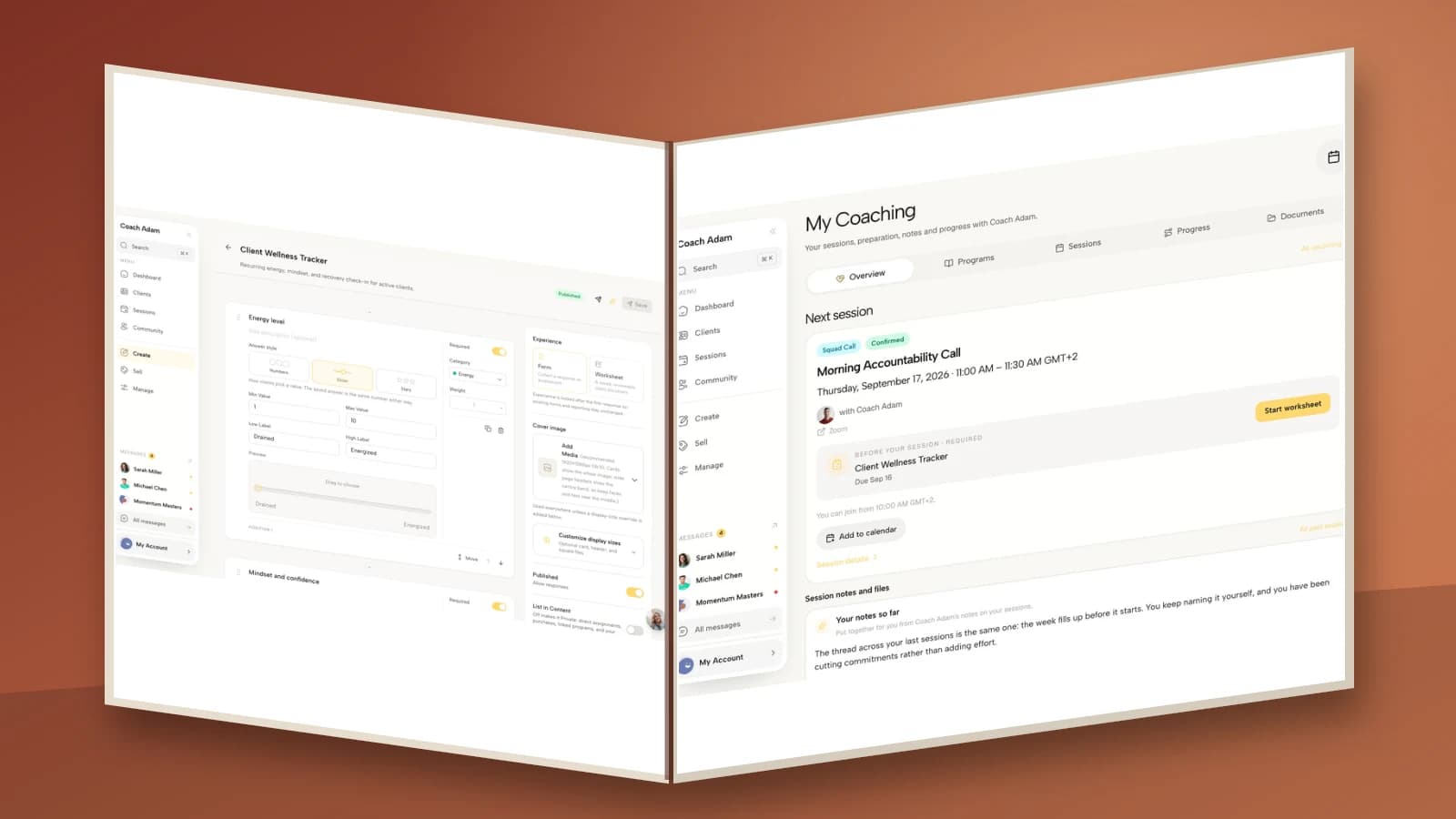
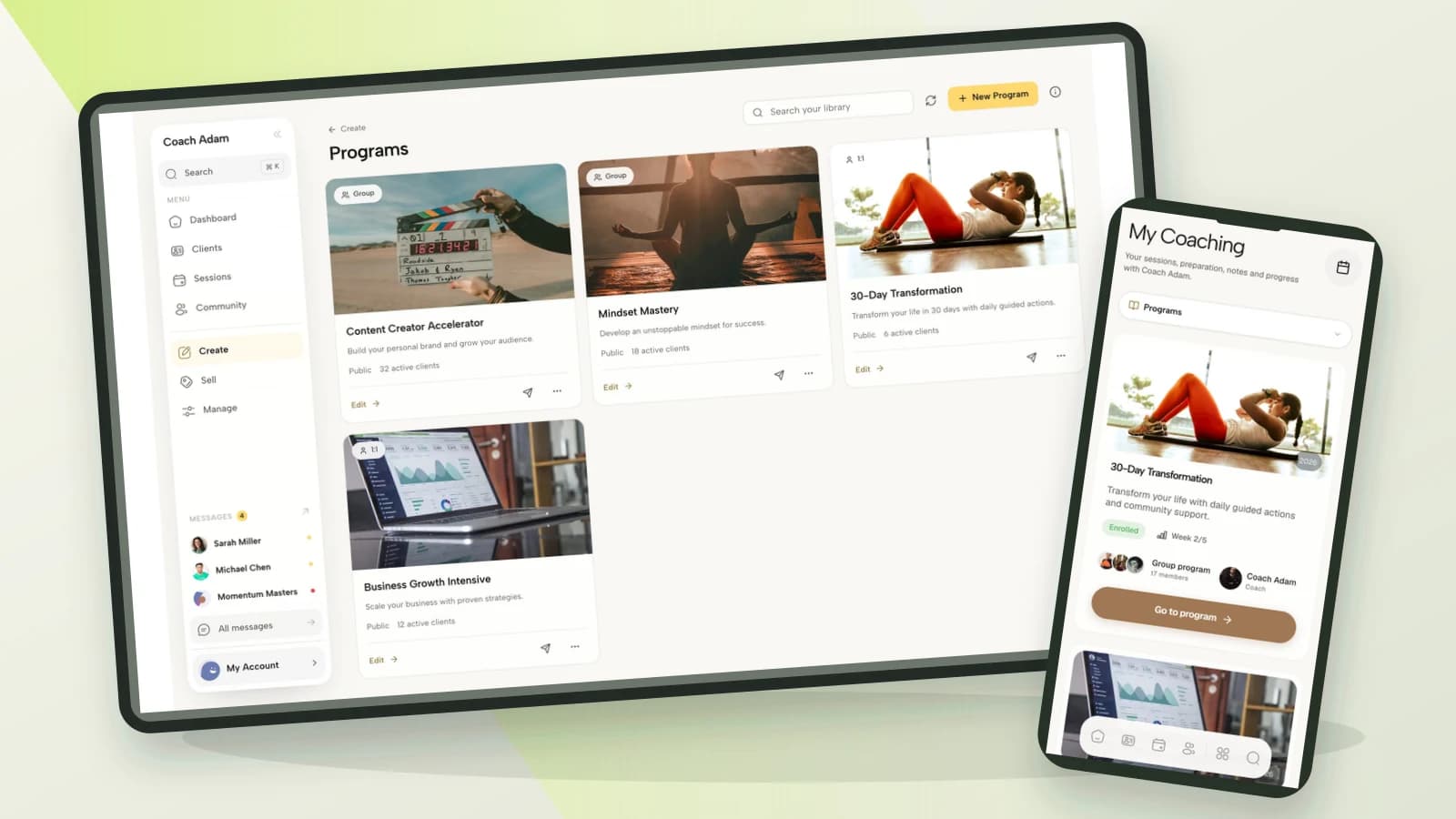
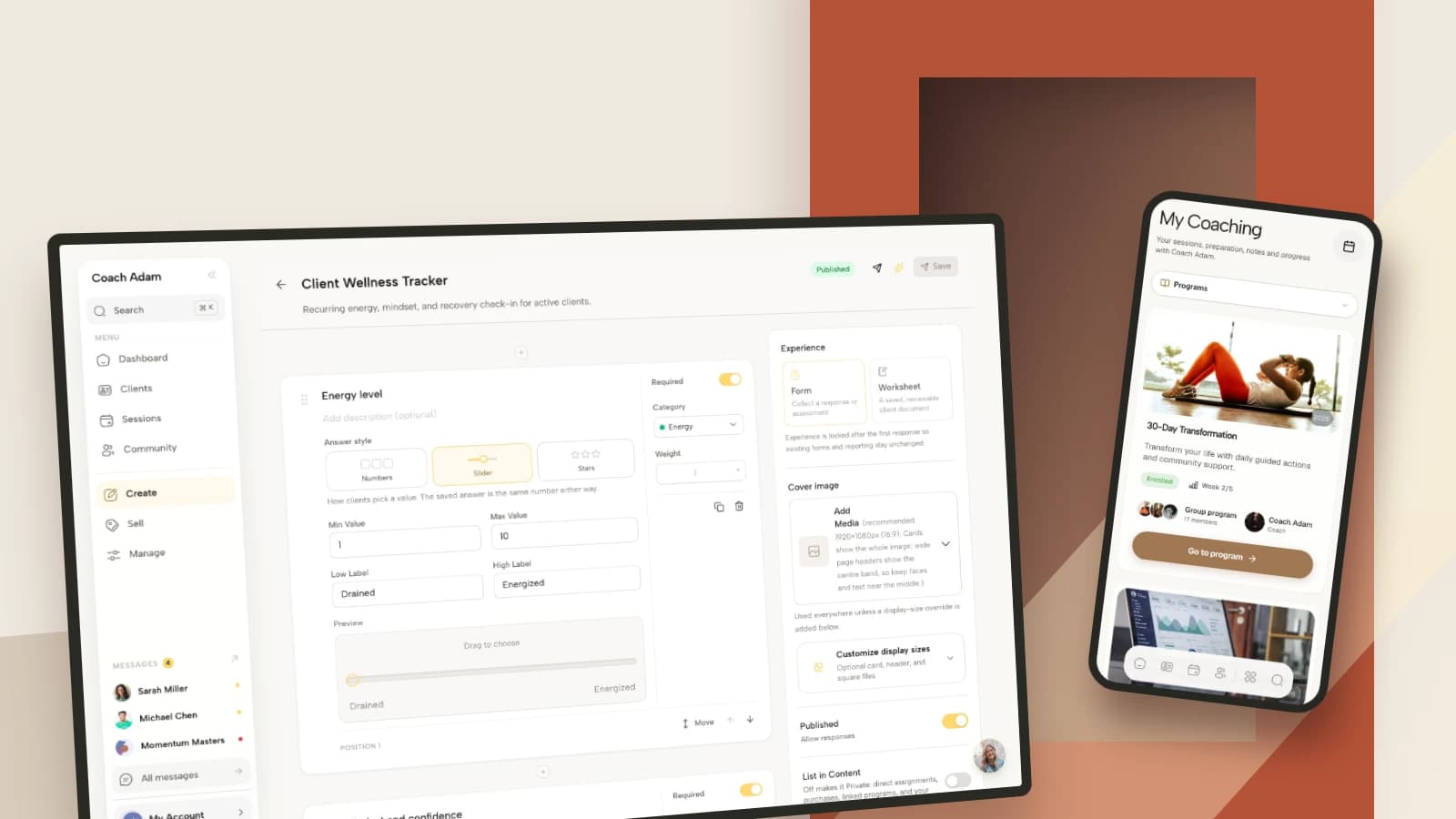
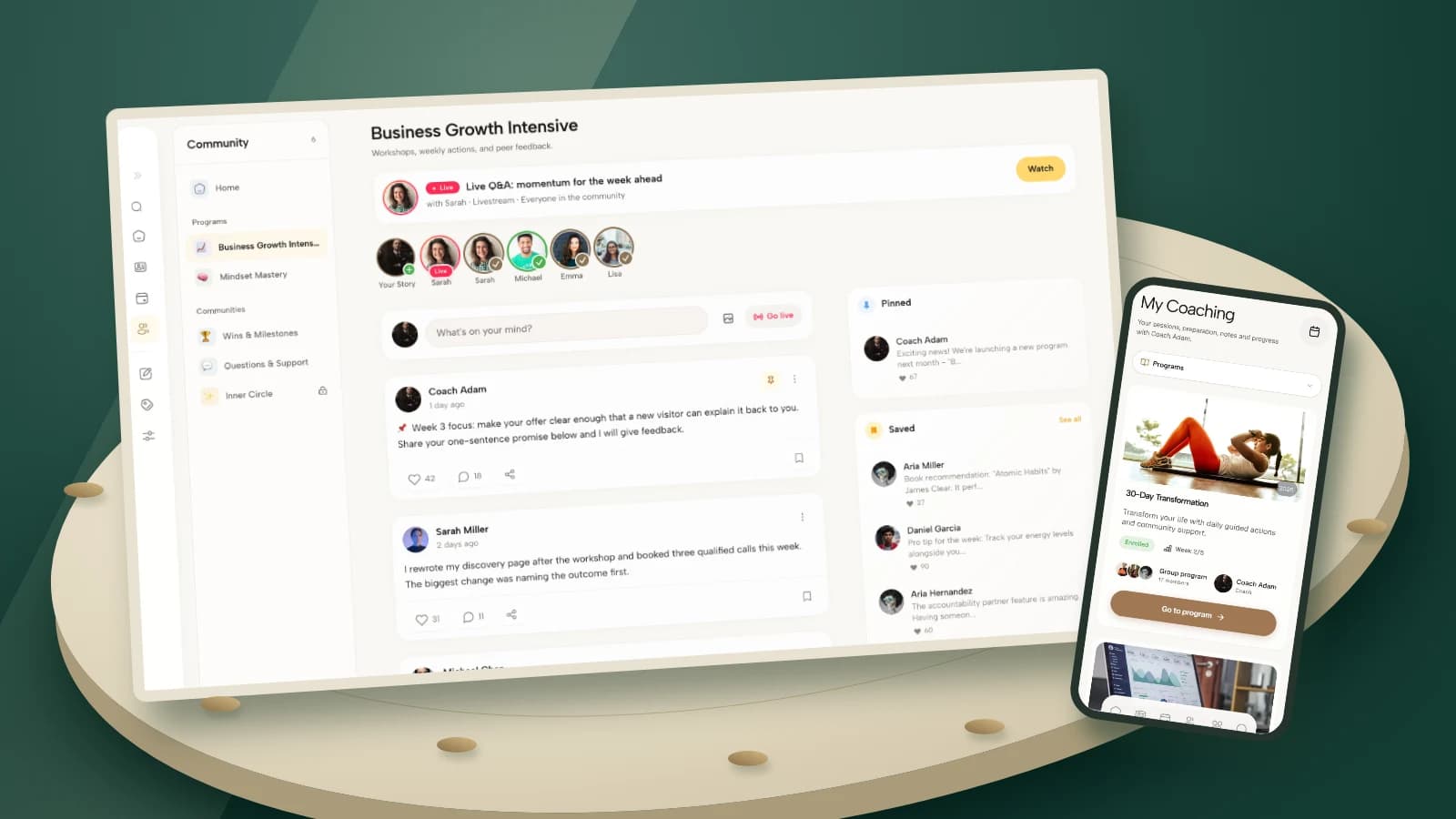
If you are choosing how to organize those surfaces, try the interactive demo and inspect the real participant and coach views. The screenshots here illustrate those surfaces, not an automatic orientation service. Use what you learn to write a few precise instructions for your own cohort.
Sources and scope
Group Coaching HQ's orientation workshop identifies foundational coaching concepts, group participation and preparation as distinct facilitation needs. That practitioner reference supports the topic; the 60-minute agenda, scripts and diagrams here are original editorial examples, not its curriculum or a validated intervention. Adapt the work to your competence, actual service and applicable requirements.