Upwork for Coaches: 5 Checks Before You Submit a Proposal

Nour
Founder, Coachful
Can you get coaching clients on Upwork without spending your week writing unpaid proposals? Yes, it is a possible acquisition channel, particularly for a defined service such as interview practice or career-decision coaching. But test it as freelance contract work, not as a shortcut to a full coaching practice. Check the job, proposal economics, platform rules, scope and delivery commitment before you bid.
The expensive mistake is treating an interesting job post as a client. You can spend Connects, write a thoughtful proposal and still receive no response. Even a successful contract can pay poorly once preparation, follow-up and selling time are counted. Your decision is whether this particular work makes sense, not whether your coaching deserves to succeed.
This guide is for coaches considering Upwork as a source of paid engagements. It is not a review based on our own bidding experiment and does not claim a typical win rate or coaching income. All proposal and financial examples are hypothetical. Coachful screenshots show practice-side planning and delivery, not Upwork screens or a connection between the platforms.
Is Upwork suitable for coaching?
Upwork has public career-coaching job listings and a career-coach hiring category. That establishes that coaching-related work is offered there. It does not establish that every listing is genuine, suitable or profitable, or that the category contains enough demand for your specialty.
Read the requested work rather than relying on the category tag. Career coaching can sit beside résumé writing, interview preparation, recruitment support and work for another coaching business. Those are different engagements. A coach should not quietly become a recruiter, therapist, résumé writer or subcontracted program administrator merely because the listing uses a familiar label.
For a comparison of different acquisition models, see our marketplace guide for coaches. This article addresses Upwork specifically: proposal spending, contract-specific service fees, pre-contract communication restrictions and the distinction between using delivery software and moving payments off-platform.
1. Check that the job is buying work you actually provide
Start with the buyer’s requested decision or deliverable. “Help me practise answering leadership interview questions” can support a bounded coaching proposal. “Get me hired at a named company” asks for an outcome you cannot control. The second request does not become appropriate because you need your first marketplace review.

Before applying, answer these questions privately:
- Buyer: am I coaching the person posting, their employees or clients of another business?
- Work: are they buying coaching conversations, advice, written materials, facilitation or a mixture?
- Fit: do I have the relevant training, experience, language and availability?
- Boundaries: does the request imply treatment, employment placement or another service outside my competence?
- Commercial basis: is the budget consistent with the actual preparation, sessions and deliverables?
Review the information Upwork makes available about the client and job activity. Upwork’s Connects guidance recommends checking client history, feedback, existing hires, proposal activity and whether you have time to submit a quality proposal. Treat those as signals, not a guarantee that a job is safe or a client will hire you.
A listing from a coaching company needs a different check from a direct client inquiry. Ask who agrees the coaching goals, who receives reports, who handles complaints and what happens if the participant needs support outside your scope. A business paying you does not automatically gain access to everything said in a session.

Choose a service you can already explain and deliver. Do not invent a large program in response to a low-detail post. If the request is promising but unclear, use the permitted platform conversation to resolve the ambiguity before committing to a price. If the underlying work is wrong for your practice, save the proposal time as well as the Connects.
2. Calculate proposal cost and contract pay separately
There are two different economic events: spending to apply and earning from a contract. Connects are Upwork’s virtual tokens for proposals and certain advertising products. Its current help page lists a purchase price of US$0.15 per Connect. The number needed for a job varies and can change while the post is open. Read the live amount before submitting.
Boosted proposals and an Availability Badge can involve additional Connects. Do not include them accidentally in a test you intended to run on ordinary proposals alone. Record the product, amount and purpose of each purchase. Free promotional Connects are useful but do not make your proposal-writing time free.
Separately, Upwork’s Freelancer Service Fee guidance says the fee can vary by contract and is shown when submitting a proposal or receiving an offer. Use that displayed percentage, not an old article’s universal fee claim. The guidance says the fee is locked when the proposal, offer or contract is sent.

Hypothetical calculation: imagine twelve proposals, each requiring twelve Connects, bought at US$0.15 each. The proposal tokens cost US$21.60. Suppose one resulting contract is worth US$500 and its displayed service fee is 10%. That assumed fee is US$50, leaving US$450 before the proposal tokens and US$428.40 after them.
If the contract takes eight hours to prepare and deliver, and the twelve proposals take three hours altogether, US$428.40 divided by eleven hours is approximately US$38.95 per hour. That is before overhead, tax, refunds and other costs. The example does not predict a win rate, establish a recommended fee or describe an actual coach’s earnings.
Run the same calculation with your own numbers. Include preparation, live sessions, written feedback, administration and any promised between-session access. A short appointment can carry a long tail of unpaid work. If you cannot identify the tail, you are not ready to decide whether the price works.
Also understand what happens when you lose. The Connects page says they are not normally returned simply because a client rejects your proposal, chooses someone else, lets the job expire or you withdraw. It describes returns when a client cancels before a contract or Upwork removes a violating post. Returned Connects are reusable tokens, not a refund of their cash value.
3. Keep the first conversation and payment route compliant
Do not copy your usual website call to action into an Upwork proposal without checking the rules. Upwork’s contact-information policy generally prohibits sharing contact details or asking for them before a contract starts. It explicitly includes email addresses, phone numbers, social handles and outside communication usernames.
That matters for coaches because a familiar next step is “book a free call on my calendar.” Do not assume that a booking link, personal email address or external intake form is an acceptable pre-contract shortcut. Keep discussions in Upwork and use its permitted tools. Specific exceptions exist, including some Enterprise and legal or system-access situations, but they are not a general permission to move interviews elsewhere.
Even where sharing information for an exception is allowed, the policy says communication must remain on Upwork until the contract starts. If an unusual situation matters to your process, ask Upwork support about that exact scenario. A prospect saying “everyone does this” is not a policy source.

Payment is a separate boundary. Upwork’s circumvention guidance prohibits taking payments off-platform outside its allowed arrangements. It says even asking can violate the rules and identifies an official Conversion Fee route for moving a relationship off-platform. Read the current terms and obtain clarification before contemplating such a move.
A signed contract is not a blanket permission to invoice the client elsewhere. Nor does a client agreeing to use another tool waive Upwork’s payment requirements. Do not send a Coachful checkout or outside payment link to avoid platform fees. The distinction is simple: tools used for agreed delivery and the channel through which you must be paid are different decisions.
A straightforward fictional reply to an early request for private contact is: “I’m happy to discuss the coaching scope here. Let’s keep the conversation on Upwork while we agree the work and set up the contract.” If someone asks to move payment off-platform, decline and follow Upwork’s reporting guidance rather than negotiating a private workaround.
4. Write a proposal around scope, not transformation
A coaching proposal should help the buyer picture the work and decide whether it fits. It does not need to diagnose their whole life or give away a full coaching session. Show you read the request, identify the bounded contribution you can make and ask one question that resolves an important uncertainty.

Here is a fictional proposal for an interview-practice request. It is original sample copy, not a real bid, testimonial or claim about marketplace results:
“You mentioned wanting to practise explaining your leadership experience in an upcoming interview. I can offer one interview-practice session focused on two relevant questions, followed by a brief written practice plan.
We would agree the target role and session length in the contract. You would bring a non-confidential role description and examples you are comfortable discussing. This is interview preparation, not recruitment or a guarantee of an offer.
Is your priority structuring the examples, handling follow-up questions or practising the delivery? We can clarify that here before agreeing the scope.”
In a real proposal, add the accurate price, timing and any required response to the job’s questions. Use only relevant qualifications you actually hold. Do not invent past client outcomes, imply employer access or promise that your method will produce a hiring result. If you include a work sample, check that you have the right to share it and that it complies with platform rules.
Before accepting the contract, specify what the buyer receives: preparation requirements, number and duration of sessions, written outputs, response windows, rescheduling arrangements and the limits of any revisions or follow-up. Distinguish a paid deliverable from a discussion about whether to hire you. Decline requests to provide substantial free work disguised as an interview.
Choose an appropriate hourly or fixed-price structure and understand its current payment-protection requirements. Do not assume every coaching arrangement or loosely described milestone is automatically protected. Confirm how time or deliverables must be recorded, and check the relevant Upwork guidance before starting work.

Finally, agree confidentiality and reporting with the people involved. If an agency is buying sessions for its clients, establish whose consent you need, what information the agency may receive and how delivery records are handled. A commercial contract does not erase your professional obligations to the person being coached.
5. Prepare delivery and set a stop rule before sending bids
A successful proposal creates a commitment, not just a notification to celebrate. Check that you can deliver the promised work in the buyer’s time zone, protect the information involved and provide an understandable client experience. Do not let an urgent marketplace deadline force you into an untested delivery process.
After a contract starts, discuss any external tools you propose to use and verify that the arrangement is permitted. Explain why the tool is needed, what information it will hold and how the client accesses it. Do not silently add the person to a mailing list or treat a service relationship as permission for unrelated marketing.

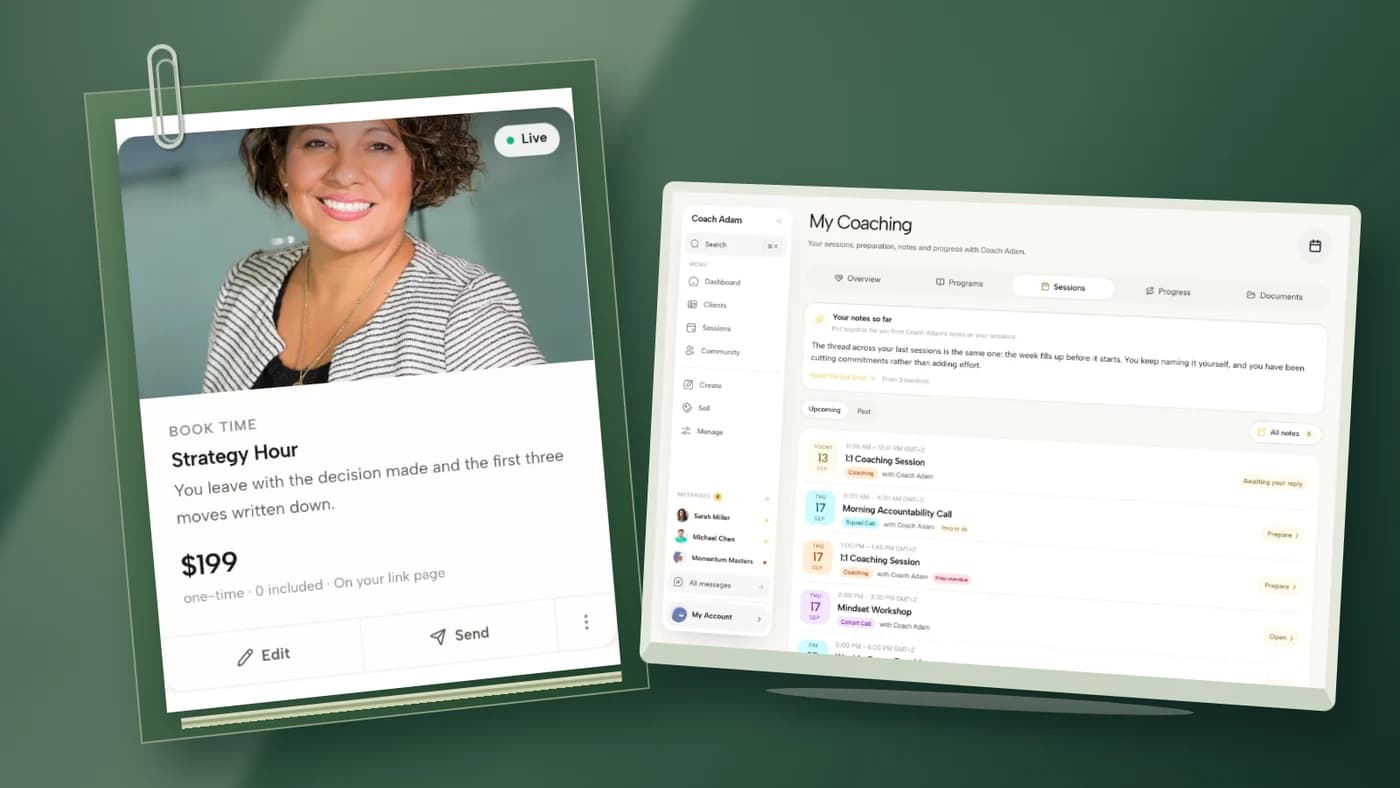
Coachful’s demo screens illustrate service organization, scheduling, client records and communication. They do not demonstrate an Upwork integration, automated proposal submission, contract synchronization or Upwork payment handling. Use the software only for appropriate agreed delivery; retain platform-side records where required and keep payment arrangements compliant.
For your first test, choose a proposal-spending ceiling, a maximum amount of sales time and a review date. Those are personal operating limits, not universal recommended numbers. If the smallest sensible test is unaffordable, do not run it. Avoid buying more Connects merely to make earlier effort feel worthwhile.

Keep one record per proposal: job reference, fit reason, Connects used, extra advertising spend, writing time, reply, interview, contract, actual revenue and delivery time. Record “no contract” honestly. When a contract is won, compare the promised scope with the work actually required. Revenue alone will not tell you whether the channel deserves another test.
At review, separate three problems. No suitable jobs suggests a channel mismatch. Suitable jobs without useful conversations suggests reviewing selection and proposal relevance. Won work with weak effective pay suggests a scope or pricing problem. None automatically means you should bid more often. A small test can inform your next decision without proving a long-term conversion rate.
Frequently asked questions
Can life coaches use Upwork?
Coaching-related services appear on Upwork, including career coaching. Whether it fits your life-coaching practice depends on the actual requests, your competence and the work you are willing to deliver. Do not infer demand for your particular niche from a broad platform category or another freelancer’s profile.
How much does Upwork cost a coach?
Check both proposal costs and the service fee shown for the contract. Connects currently cost US$0.15 each when purchased; proposal requirements and optional advertising spend vary. Contract fees are not a single universal percentage. Include your selling time and delivery costs when deciding whether a job is worthwhile.
Can I move an Upwork coaching client into Coachful?
Do not confuse using a delivery workspace with taking a relationship off-platform. Follow Upwork’s current communication, contract and payment rules, agree any permitted external tools with the client and protect their information. This article does not claim a Coachful import or integration, or permission to replace Upwork payments with Coachful checkout.
Should I apply to every coaching job to get my first review?
No. A review does not compensate for unsuitable work, misleading promises or a price that cannot cover delivery. Apply where the request, your experience and the economics fit. Do not offer a discount, free work or another benefit in exchange for a favorable review.
Decide on one suitable contract, not a new identity
Before sending your next proposal, write down the work you will provide, its limits, the displayed platform costs and the total time you can commit. Keep the first discussion and payment route compliant. You are testing an acquisition channel, not auditioning for permission to be a coach.
If the unresolved question is how you would organize the engagement after an appropriate contract, Try the interactive demo. Inspect the service, session and client-facing screens before promising a delivery experience. Coachful can illustrate your practice-side setup; it does not replace Upwork’s contract rules or make an unsuitable job worth bidding on.
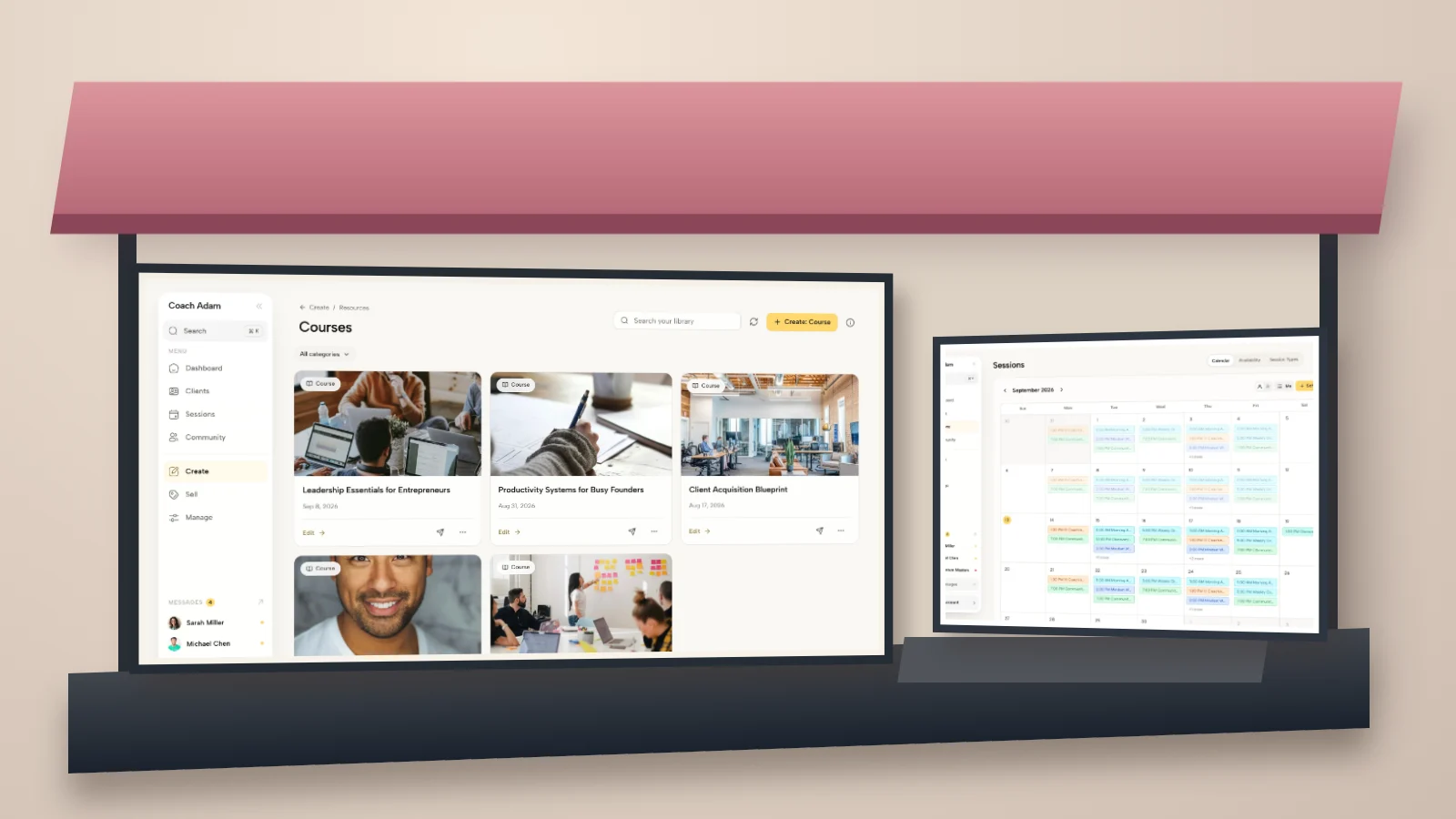
Visual note: real Coachful demo screenshots contain fictional sample content. The cover is an original composition of those screens. Two original teaching graphics illustrate a hypothetical financial calculation and proposal edit. No image represents an Upwork interface or actual client outcome. Platform information was checked against the official sources linked above; recheck the terms and live offer before spending or contracting.