LinkedIn Connection Request Messages for Coaches: 5 Examples

Coachful
Editorial Team
What should you write in a LinkedIn connection request when you are a coach and do not want to sound like a stranger preparing a pitch? Name the real reason you are connecting, refer to one specific shared context and stop before asking for a call. The invitation should make the connection understandable, not sell a coaching package.
A useful note might be: “Hi Maya, I enjoyed your question about first-time managers at the leadership roundtable. I coach in that area and would be glad to stay connected.” That is enough. You have explained the relationship without pretending that attending the same event means someone wants coaching.
Below are five LinkedIn connection request messages for coaches, with the circumstances that make each appropriate, what to personalize and what to do afterward. Every message is an invented example. None is a tested conversion claim or a sequence to send to strangers in bulk.
Before the template: decide whether to connect at all
Use a connection request when there is a plausible professional relationship to establish. A real conversation, relevant shared work or a substantive public exchange gives the recipient something to recognize. Merely fitting your ideal-client profile does not create that relationship.
If you only want to read someone's posts, following may be a better starting point. If an organization publishes a supplier-enquiry route, use it rather than treating its employees' personal profiles as a back door into procurement. If you want an introduction, ask the mutual contact rather than implying that one has already happened.
For coaches, there is another gate: would your note expose a private concern? Do not congratulate someone publicly on seeking relationship support, mention a confidential coaching referral or infer burnout from their activity. Even a kind message can be intrusive when it labels a person with a difficulty they did not choose to discuss with you.
Keep invitations short enough to fit the note field your account currently provides. LinkedIn's interface and invitation allowances can vary. Check the visible counter rather than relying on an old screenshot or a universal character-limit claim. Remove unnecessary wording before removing the specific reason for writing.

1. The former-colleague reconnection
Use when: you actually worked together, studied together or shared a professional project. This is usually a more credible opening than inventing familiarity with someone whose profile you have just found.
Hi Alex, we worked together on the regional launch at Northbank. I enjoyed seeing your update about the new team. It would be good to reconnect.
Personalize: replace the project and employer with the genuine shared context. If the person may not remember you, identify your role briefly. The objective is recognition, not a compressed career history.
You do not have to mention your coaching business in every invitation. Your profile can explain your current work. Introducing coaching becomes appropriate if they ask what you are doing or if it is genuinely relevant to the conversation that follows.
Avoid: “I've been following your incredible journey” when you have not. Also avoid an invitation that reconnects warmly and immediately asks whether their team needs coaching. That makes the old relationship feel like a lead list.
After acceptance: a normal update is enough: “Good to reconnect. How has the move into the new team been?” Ask only if you genuinely want the answer, not because it is the first line of a qualification script.
2. The real event conversation
Use when: you spoke with the person at a workshop, conference, alumni session or online discussion. Being registered for the same large webinar is not the same as having met.
Hi Priya, good speaking after Tuesday's manager roundtable about delegation. I'd be glad to stay connected here.
Personalize: name the event and the ordinary professional topic you actually discussed. Choose a detail that helps the person remember you without revealing a sensitive disclosure.
If you promised a resource, honor that promise through the agreed channel. Do not make them accept your invitation, join a newsletter and book a call before receiving the worksheet you offered. A connection request can accompany a promise; it should not add conditions to it.
Avoid: “Great meeting you” when you only saw their name on the attendee list. Do not export or scrape event participants into an outreach campaign. Follow the organizer's participation and contact rules.
After acceptance: send the promised item, if requested, and explain which part relates to the discussion. Then stop. A useful professional exchange does not require an immediate transition into coaching.

3. The substantive comment exchange
Use when: you and the person have actually exchanged views in a relevant public discussion. A single like, profile visit or generic “great post” is not the same signal.
Hi Sam, I appreciated our exchange on Jordan's post about leading former peers. Your distinction between authority and trust was useful. Happy to connect.
Personalize: identify the discussion and the specific point you found useful. Read it again before sending. If you cannot name anything beyond “your content,” the note is probably premature.
You can identify yourself as a coach when it clarifies your professional interest. Do not use the title to imply that you have diagnosed the other person's situation. “I coach new managers” describes your work; “you clearly need confidence support” makes an unwelcome judgment.
Avoid: turning their public question into an unsolicited private assessment. A manager asking about delegation is not automatically shopping for coaching, and a person discussing a difficult week is not offering their vulnerability as a sales opening.
After acceptance: continue the original subject only if there is something real to add. You do not need a mandatory welcome message. Let the connection remain a professional connection.

4. The permission-based mutual introduction
Use when: a real mutual contact has suggested connecting and is comfortable being named. Ideally, the recipient has also agreed to the introduction. Distinguish that from noticing a mutual connection in the interface.
Hi Leila, Arun suggested we connect after our discussion about supporting new managers. He said you were happy for me to reach out. Glad to connect here.
Personalize: use the true introducer, topic and permission. If Arun only told you that Leila works in HR, remove the claim that she welcomed contact. Better still, ask Arun whether a proper introduction would be appropriate.
Do not identify the introducer as your coaching client unless they have authorized that disclosure. “We know each other through work” may be sufficient, provided it is accurate. A recipient does not need someone's private coaching history to understand an introduction.
Avoid: “Arun thought you needed my help” unless that is a genuinely appropriate, authorized description. It can embarrass the recipient and misrepresent the introducer. A referral is a reason for a conversation, not evidence of a problem you have already assessed.
After acceptance: clarify why a conversation might be useful. If this is a possible referral partnership, say so. If the person asked about services, answer the service question. Do not quietly change the purpose.
5. The relevant professional-peer connection
Use when: you have a specific professional reason to know each other, such as complementary work with the same audience. This could be a coach connecting with a facilitator or career-services professional, not necessarily a prospective client.
Hi Owen, your session on supporting managers through change relates to my leadership coaching work. I'd welcome staying connected around that topic.
Personalize: name the actual work, publication or session you encountered. Explain the overlap without claiming a partnership. If you did not attend the session, refer to the public resource you actually read instead.
Peer connections are worthwhile even if they never produce a buyer. They can support professional understanding, suitable introductions and better knowledge of the limits of your own service. Judge them by that purpose rather than calling every contact an unconverted lead.
Avoid: a first message proposing reciprocal referrals, referral commissions or access to the other person's clients. Those arrangements involve trust, scope, confidentiality and sometimes professional restrictions that a connection request cannot resolve.
After acceptance: let a relationship develop around the genuine shared subject. If a short peer conversation would be useful, describe its purpose honestly rather than calling it a “collaboration” when you intend to sell your package.
Make your profile and destination match the invitation
A specific note followed by a vague profile creates unnecessary doubt. Before contacting anyone, read your headline and opening About paragraph as a stranger would. Can they understand who you coach, the situations you work on and your relevant experience?
State qualifications accurately. Explain your actual service rather than promising a promotion, salary increase or personal transformation. A recipient should not have to open a booking link to discover whether you are a coach, recruiter, therapist or consultant.

Prepare a destination for people who later ask about your work, but do not put it in every invitation. A service page answers “what do you offer?” A resource page answers “can I see that worksheet?” A booking page answers “how do we arrange the conversation?” These are different requests.
Our broader guide to getting coaching clients on LinkedIn covers positioning, posts and the full acquisition journey. This guide addresses the smaller decision before that journey: whether and how to send a connection invitation.
What to send after someone accepts
Acceptance means the person accepted the connection. It does not establish consent for a newsletter, permission to export their profile or interest in buying coaching. Match the next message to the exchange you actually had.
- No unfinished conversation: no follow-up message is required.
- A requested resource: send it with a short reminder of why it is relevant.
- A question about your work: answer plainly before asking another question.
- Expressed interest in coaching: explain the relevant offer and ask whether discussing fit would help.
- A decline or objection: respect it, including requests not to contact them again.

For example: “You asked what the coaching involves. I work with first-time managers on delegation and feedback through [your actual format]. Here is the overview you requested: [relevant page].” Replace the placeholders and ensure the description matches what you sell.
If they want a call, state its actual purpose, duration and fee. Explain whether it is a discussion about fit and paid services, rather than calling it free coaching if that is not what happens. Do not use invented scarcity to accelerate the booking.

If a conversation moves to email, make that move transparently and obtain any appropriate permission. The person agreeing to receive one requested document is not necessarily agreeing to an ongoing marketing sequence. Applicable privacy and electronic-marketing requirements depend on the recipient, location and circumstances.

Keep a small record, not a dossier
You can remember an active conversation with a few factual notes: the shared context, what the person requested, what you promised and whether further contact was invited. Keep the original LinkedIn conversation where it belongs unless you have a legitimate reason to move information elsewhere.
Do not copy an entire profile into your CRM just because you can see it. Avoid recording guesses about mental health, financial pressure or personal relationships as sales intelligence. A coaching practice should collect information it needs for an appropriate purpose, not build leverage from someone's disclosures.

Review whether the invitations you send have a credible context and whether any subsequent conversations are genuinely relevant. Connection acceptance alone is not a commercial result. A smaller network of suitable professional relationships can be more useful than a large number you cannot explain.
There is no reliable universal daily invitation target in this guide. Platform restrictions, your relationships and the quality of the context matter. If LinkedIn displays a warning or restriction, follow its guidance rather than trying to evade it with another account or automation.
LinkedIn connection request messages: common questions
Should a coach include a booking link in the invitation?
Usually not. The invitation's job is to establish a recognizable professional connection. If someone has explicitly asked for your booking details, give them the details through the channel you agreed. That is different from attaching a calendar link to every new request.
Should I mention that I am a coach?
Yes when it helps explain why the connection makes sense. Keep it descriptive: “I coach new managers” is enough. You do not need a package pitch, a list of credentials and a promise of results in the note.
What if I do not know the person?
Ask whether there is a genuine shared professional context. Following their work or contributing thoughtfully to a public discussion may be more appropriate first. Do not invent an event conversation, mutual introduction or admiration you cannot substantiate.
Should I follow up if the invitation is ignored?
Do not treat silence as permission to chase the person through other channels. They may not recognize you, use LinkedIn often or want the connection. If you already have a separate legitimate reason to contact them, use that reason honestly rather than making the ignored invitation a debt they owe.
Can software send these invitations for me?
This guide recommends manual, contextual use. LinkedIn's User Agreement restricts bots and other unauthorized automated methods, including activities involving messages and contacts. Its Professional Community Policies address spam and unwanted promotional behavior. A vendor's promise of “human-like” activity does not make a tool authorized.
Prepare the handoff, then send the honest note
Choose the one template that fits a real relationship. Replace every placeholder, remove the pitch and check that your profile tells the truth about your work. Send an invitation only when you can explain why that person would recognize a professional reason to connect.
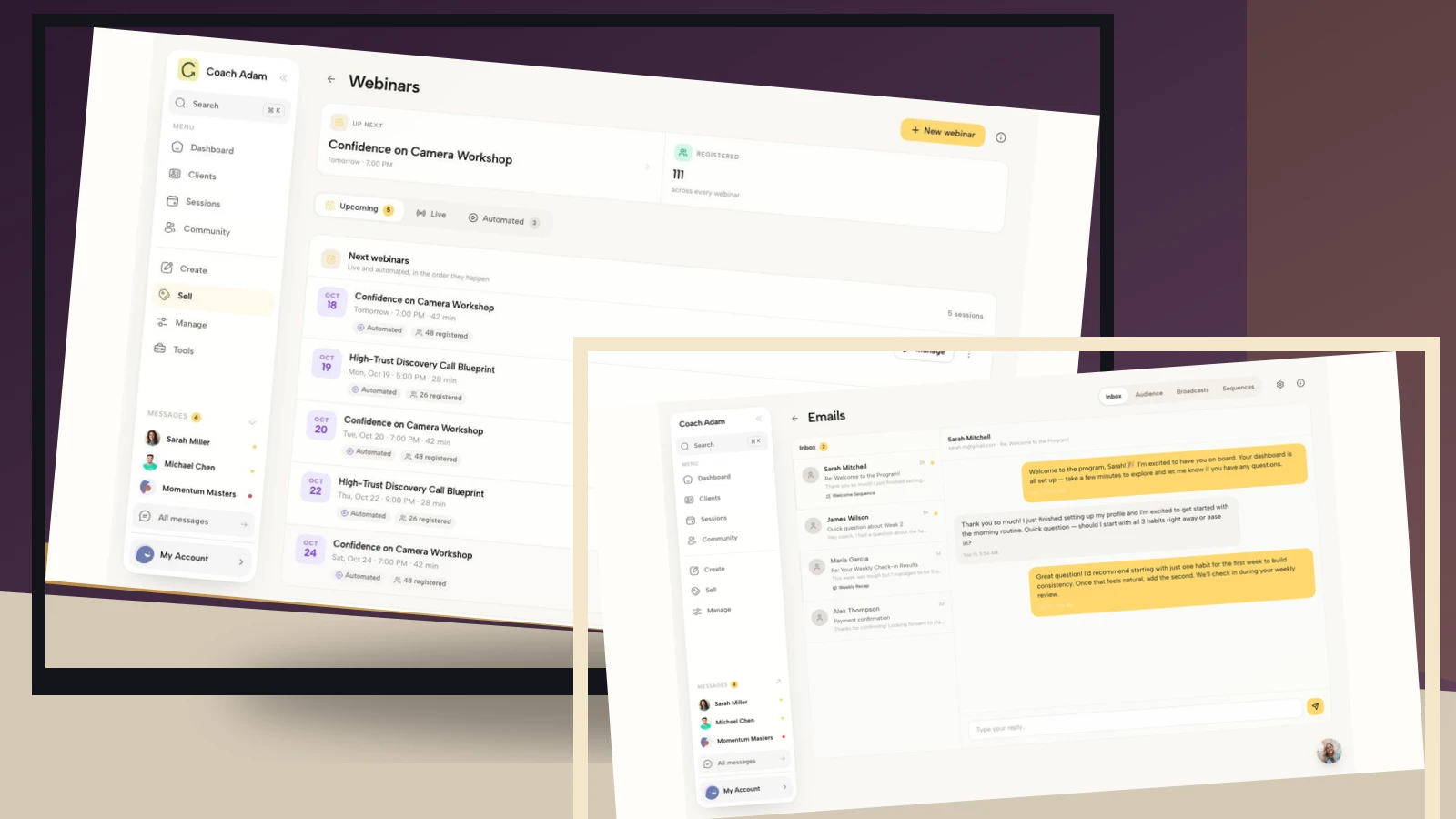
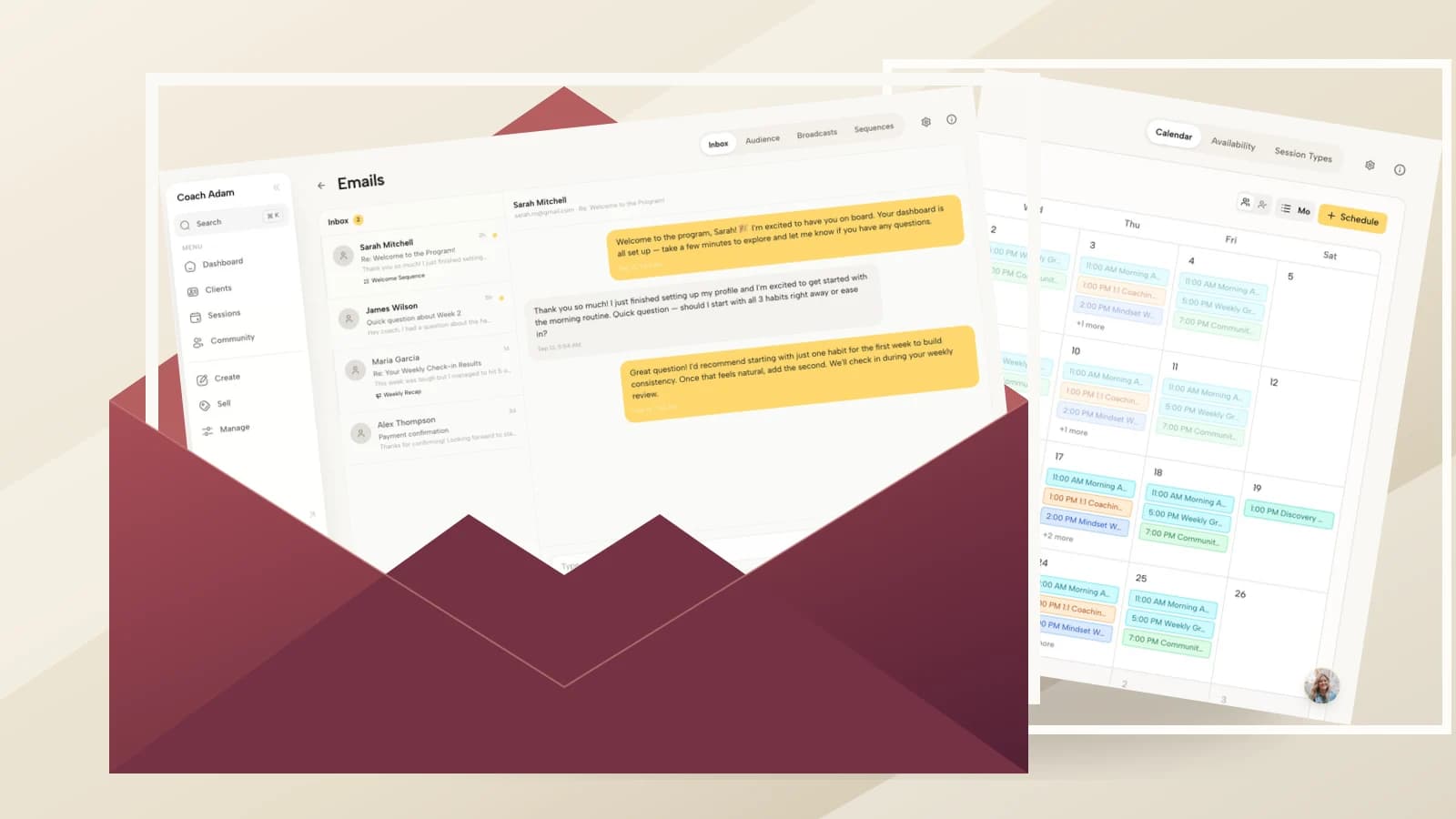
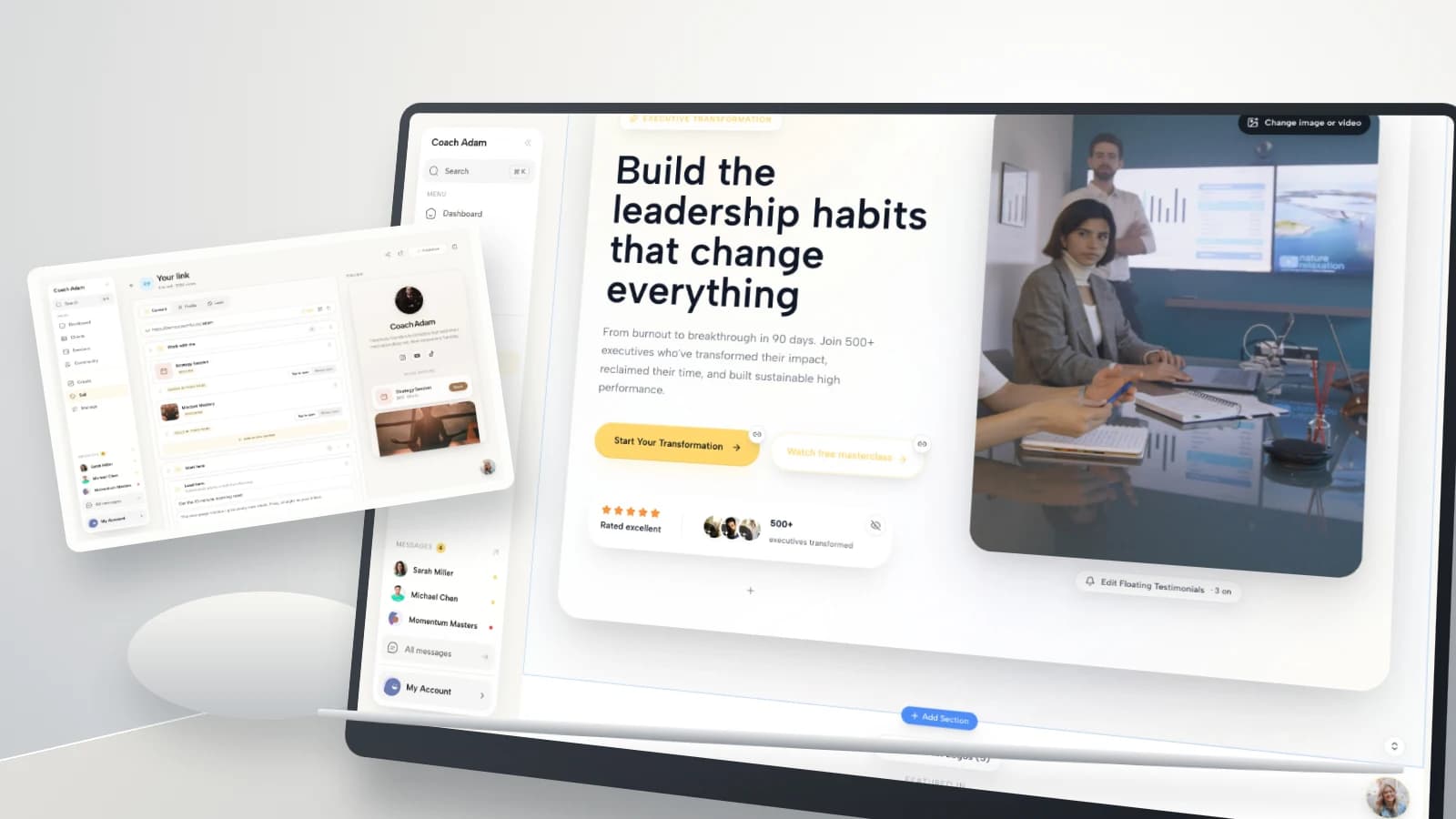
If someone later asks about coaching, the next practical task is making the requested information and booking experience easy to understand. We make Coachful. The real demo screens here show website editing, links, email, scheduling and a leads workspace; they do not demonstrate LinkedIn integration or automated invitations.
If that downstream handoff is where your practice gets tangled, try the interactive Coachful demo and inspect those destinations before sharing them. Better software cannot manufacture a relationship, but you can evaluate how you would handle interest once a person actually expresses it.
Editorial note: the five invitations, follow-up examples and selection framework are original illustrative guidance, not actual client messages, platform-endorsed scripts or measured acceptance rates. Product images contain demo data. No LinkedIn accounts were accessed and no outreach was sent to produce this guide.