Nextdoor for Coaches: 5 Steps to Test Local Demand

Nour
Founder, Coachful
“Could Nextdoor bring me coaching clients, or would I just become the person advertising in the neighborhood feed?” Nextdoor is worth a small test when your coaching offer has a real local reason to exist: a nearby workshop, an in-person service, or a practice built on neighborhood referrals. Start with a truthful Business Page, one useful local invitation and a working inquiry page. Do not start with paid ads or unsolicited messages.
A national coaching offer does not become locally relevant because you add a city name. Someone looking for a nearby career workshop has a different reason to respond from someone casually reading a post about confidence. Your first job is to identify that reason, not manufacture a posting schedule.
This guide gives coaches five practical steps, adaptable post examples and a bounded test plan. It concerns your marketing decisions, not a promise of reach or clients. Nextdoor features, verification and availability can vary by country and account, so check the current business tools and guidelines before setting anything up.
Is Nextdoor a good fit for your coaching business?
Use three questions. Does proximity make the offer more useful? Do you have an actual service or event to describe? Can a neighbor understand the next step without sharing something sensitive in public? Three yeses justify a test. If geography changes nothing about your offer, another channel may deserve your attention first.
- Career coach: a practical return-to-work workshop at a genuine local venue can have a clear neighborhood audience.
- Business coach: a session for nearby independent business owners may fit better than a generic “grow your business” pitch.
- Health coach: a local habits workshop can fit, provided your qualifications, scope and claims are accurate.
- Executive coach selling large employer contracts: local visibility might support credibility, but it is not a substitute for reaching the actual buyer.
These are hypothetical uses, not evidence that any specialty reliably converts on Nextdoor. Public coaching Business Pages show that coaches use the platform; they do not reveal lead quality, client numbers or return on time.
1. Build a truthful Business Page before promoting anything
Begin with Nextdoor’s business information and the setup available in your country. Search for your practice first so you do not create a duplicate page. Claim or create the appropriate Business Page and complete the verification Nextdoor actually requests. Do not assume an old tutorial describes your current account.
Prepare your real business name, accurate service description, contact route, website and relevant location information. Use a category that describes work you genuinely do. Being a coach does not make you a therapist, medical professional, recruiter or financial adviser. Select and describe your role accordingly.

Keep your personal neighborhood identity and professional activity transparent. Use the business tools and promotional permissions Nextdoor provides rather than disguising a sales message as a disinterested neighbor’s recommendation. Never create a second identity to praise your own practice.
For home-based coaches, stop before publishing an address. Check what information the platform requires privately, what it displays publicly and what visitors will reasonably understand about appointments. Do not invite drop-ins to a residential address where you do not receive clients. Resolve uncertainties with official support rather than inventing an office.
A short description should answer who you help, what you offer and how sessions happen. For example: “I help mid-career professionals plan a career change through structured coaching. I offer online appointments and occasional in-person workshops in [actual area]. Current workshop details and inquiry options are on my website.” Replace every bracket with a fact, and remove any format you do not offer.
2. Choose one local offer and make its destination ready
The common mistake is sending everyone to a homepage that asks them to choose among six unrelated programs. Pick one invitation for the test: view a workshop, ask about local appointments or explore a relevant introductory conversation. The destination should carry that same promise.
Before you share the link, make these facts easy to find:
- Who the coaching or workshop is for, with a concrete situation rather than “anyone ready for change.”
- What the person will do or receive, without guaranteeing an employment, health or income outcome.
- The actual delivery format, venue arrangements or service area.
- The date, duration and price where applicable, including any important booking conditions.
- One next step and a clear explanation of what happens after it.

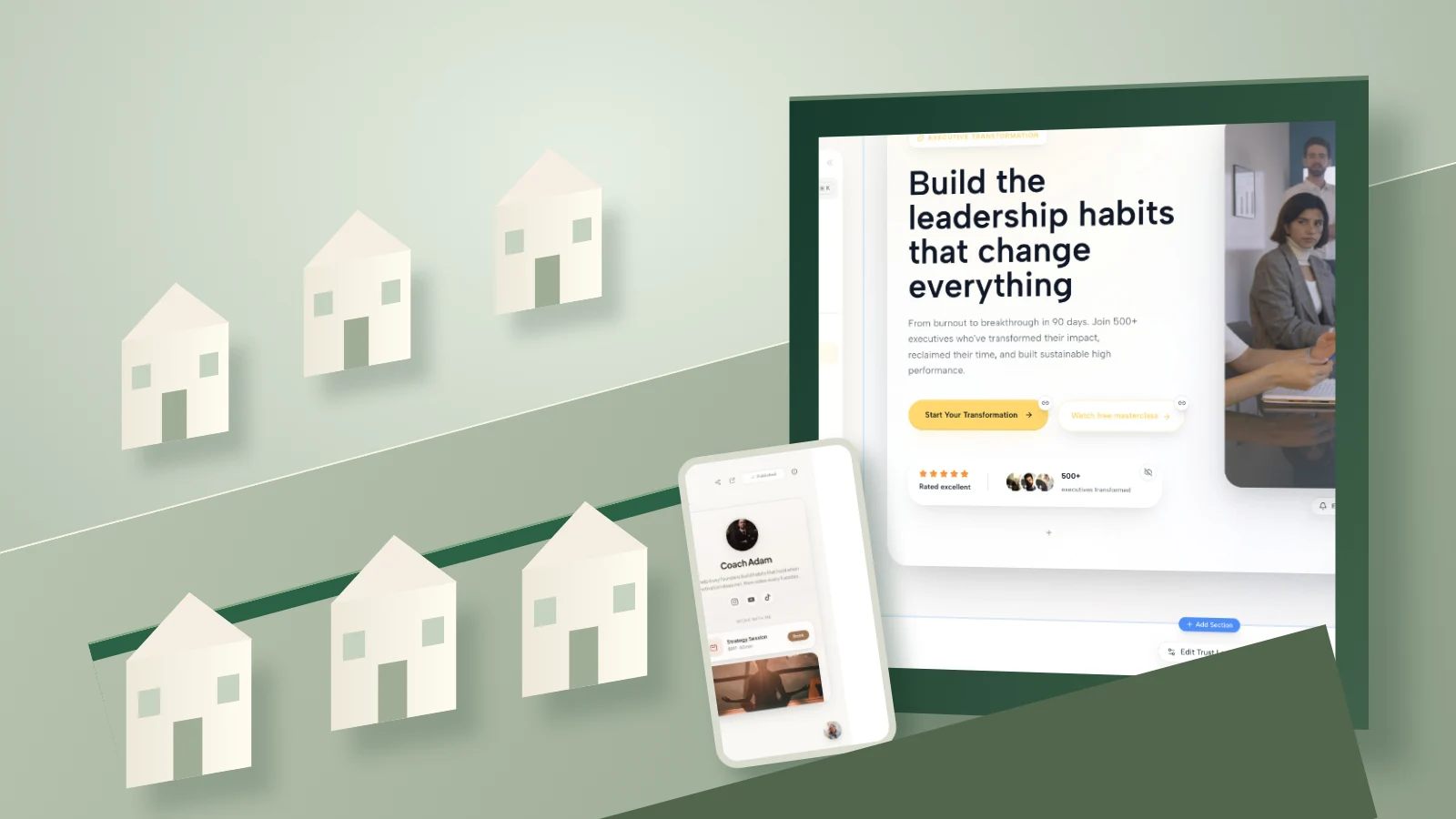
Coachful’s website editor is one way to prepare the page neighbors will visit. That is the product’s role in this method: your independent destination after local discovery. This article does not claim that Coachful creates a Nextdoor Business Page, verifies it, posts to the feed or imports Nextdoor messages.
Open the destination on a phone using the exact link you intend to share. Check that text is readable, the main action works and the visitor does not need to hunt through an unrelated menu. If you use a multi-link page, put the offer being discussed first and label it precisely.

A local parent considering a workshop should not discover only after submitting a form that the event is online or in another town. Clarity about format may reduce inquiries, but it can improve their relevance. A smaller set of suitable conversations is more useful than a busy inbox full of corrections.
3. Write a useful Business Post with a modest invitation
Nextdoor’s Business Posts guidance describes sharing your story, helpful advice and information about your offerings. Use the current posting options in your verified account and respect the platform’s rules. Do not interpret a business feature as permission to promote in every conversation.
A strong post has a local audience, a useful observation, concrete facts and one next step. It does not need a dramatic personal confession, a fake deadline or a discount. The coach annoyance to avoid is answering “What is this, where is it, and how much?” in six separate messages because the original post said none of it.

Example A: a local career workshop
“Hello neighbors. I’m [name], a career coach based in [area]. One thing I see when people return to work is starting with a CV before deciding which roles actually fit their current circumstances. I’m hosting a [duration] planning workshop at [venue] on [date] to work through that decision. It is for [specific audience], costs [price], and includes [accurate activity or resource]. Details and booking information are here: [workshop page]. Please keep personal employment details out of the comments.”
Example B: a useful tip without an event
“I’m [name], a local [specialty] coach. Before you commit to another weekly goal, check where it would fit in an ordinary week, including the awkward days. Try writing down the first action and the time you could realistically take it. If you want to understand my coaching approach and appointment format, I explain them here: [relevant page].”
These are original hypothetical drafts, not posts that have produced results. Adapt only to services you actually provide. A useful tip should remain useful if nobody clicks. Avoid making a neighbor’s vulnerable disclosure the setup for a sales pitch.
Use a real, relevant photograph where appropriate, such as your authorized workshop venue or your own professional portrait. Do not show clients, name attendees or imply a venue partnership without permission. Check the facts and links immediately before publication; an attractive draft does not confirm an available room.
4. Move interested people into a private, proportionate inquiry
A neighbor may ask a practical question under the post. Answer practical questions publicly when appropriate: session format, accessibility arrangements, event timing or where to find the price. Do not turn the comments into a coaching intake.
If someone volunteers sensitive information, do not ask for more or quote it in another post. A short response can be: “Thanks for getting in touch. You do not need to share private details here. The inquiry page explains my scope and how to contact me privately if you would like to check fit.” Do not diagnose them or promise that coaching can resolve the situation.

Your first form normally needs contact details, the service of interest and a brief optional fit question. Explain what you will do with the information and provide appropriate privacy information. A workshop registration is not blanket permission for an ongoing newsletter; handle marketing permission separately under the rules that apply to your business.
Do not copy neighborhood conversations into a prospect database. Record information from a genuine inquiry through an appropriate process, not from a scraped member list or a thread about someone else. Contact people in the way they requested. No unsolicited sequence of private messages is necessary for this test.

When a person asks to book, send the relevant appointment route and explain what the conversation is for. Review your real availability first. A “quick chat” should not quietly become a lengthy assessment or a high-pressure sales call.

5. Run a small test, then decide from relevant inquiries
Choose an observation window and time budget before starting. Four weeks and one hour a week are a possible experiment, not a proven best practice or a platform requirement. A shorter test may tell you almost nothing if your local audience is small or your event is several weeks away.
Complete the page, publish one carefully prepared post when permitted, answer relevant questions and review the destination. Add another post only when you have something genuinely useful or materially new to share. Repeating the same offer every day is not a research method.
Keep a simple record with the date, offer, destination link, time spent, relevant inquiries, calls booked, calls attended and paid enrollments. Ask an optional “How did you find me?” question when suitable. Mark self-reported source as self-reported; do not pretend it proves every touchpoint that influenced the person.

Suppose, hypothetically, you spend four hours and receive six relevant inquiries, three of which attend a call, with one becoming a client. That is a record to investigate, not enough evidence to forecast a reliable monthly pipeline. You still need to know the revenue collected, delivery cost, suitability of the client and whether the result can recur.
Use the stage where the path breaks to choose your next change:
- People respond but misunderstand the offer: make the audience, format and price clearer before trying to increase reach.
- People click but do not inquire: test the actual mobile page and whether its promise matches the post. Do not assume lack of interest without checking for friction.
- Inquiries do not fit your scope: narrow the offer and improve the explanation of who it is not for.
- Calls happen but no one buys: review fit, offer and buying process. More posts will not automatically fix those problems.
- No useful signal appears within the agreed budget: pause the experiment, improve the hypothesis or choose a channel better aligned with your buyers.
Recommendations, privacy and the temptation to overclaim
Nextdoor’s guidance on Faves and recommendations explains how neighbors can support a Business Page. Treat that as a platform feature, not permission to expose coaching relationships. An authentic recommendation can still reveal that someone used a sensitive service.
If your professional obligations permit asking, keep the request optional and explain that the contribution will be public. Do not ask people to share session details or invite praise only from clients you expect to be enthusiastic. Never fabricate recommendations, offer benefits in exchange for a favorable statement or describe an informal interaction as a client outcome.
A restrained invitation is: “If you would like to share an honest public recommendation of your experience, my Business Page is here. Please leave out anything you prefer to keep private. This is optional and has no effect on our work together.” Do not send it if your agreement, credentialing rules or local requirements make the request inappropriate.
For health, relationship and career work, also watch your replies. A friendly thank-you does not need to confirm a diagnosis, an employer problem or even the person’s client status. If a complaint needs discussion, offer a private contact route without publishing your side of the session history.
Frequently asked questions
Can life coaches use Nextdoor?
Coaching businesses have public Business Pages on Nextdoor. Whether you can use particular business tools depends on your location, verification and applicable rules. A local audience and a clear service offer make the test more coherent; neither guarantees results.
Should I buy Nextdoor ads immediately?
No, not as the default. First establish that your offer is locally relevant and that the inquiry route works. A small unpaid test can reveal confusing copy or unsuitable leads before you add a media budget. Paid advertising requires a separate cost, policy and measurement decision.
Can an online coach attract local clients there?
Possibly, but explain that sessions are online. Geography should add a genuine reason to engage, such as relevant local knowledge or a nearby event, rather than a misleading impression of an office. Do not copy Google Business Profile eligibility rules onto a different platform.
Should I answer every post asking for help?
No. Relevance, permission, scope and privacy matter more than visibility. Do not insert a coaching pitch into a crisis, a medical question or a conversation where promotion is unwelcome. A public request for support is not consent to private marketing.
Does Coachful manage my Nextdoor account?
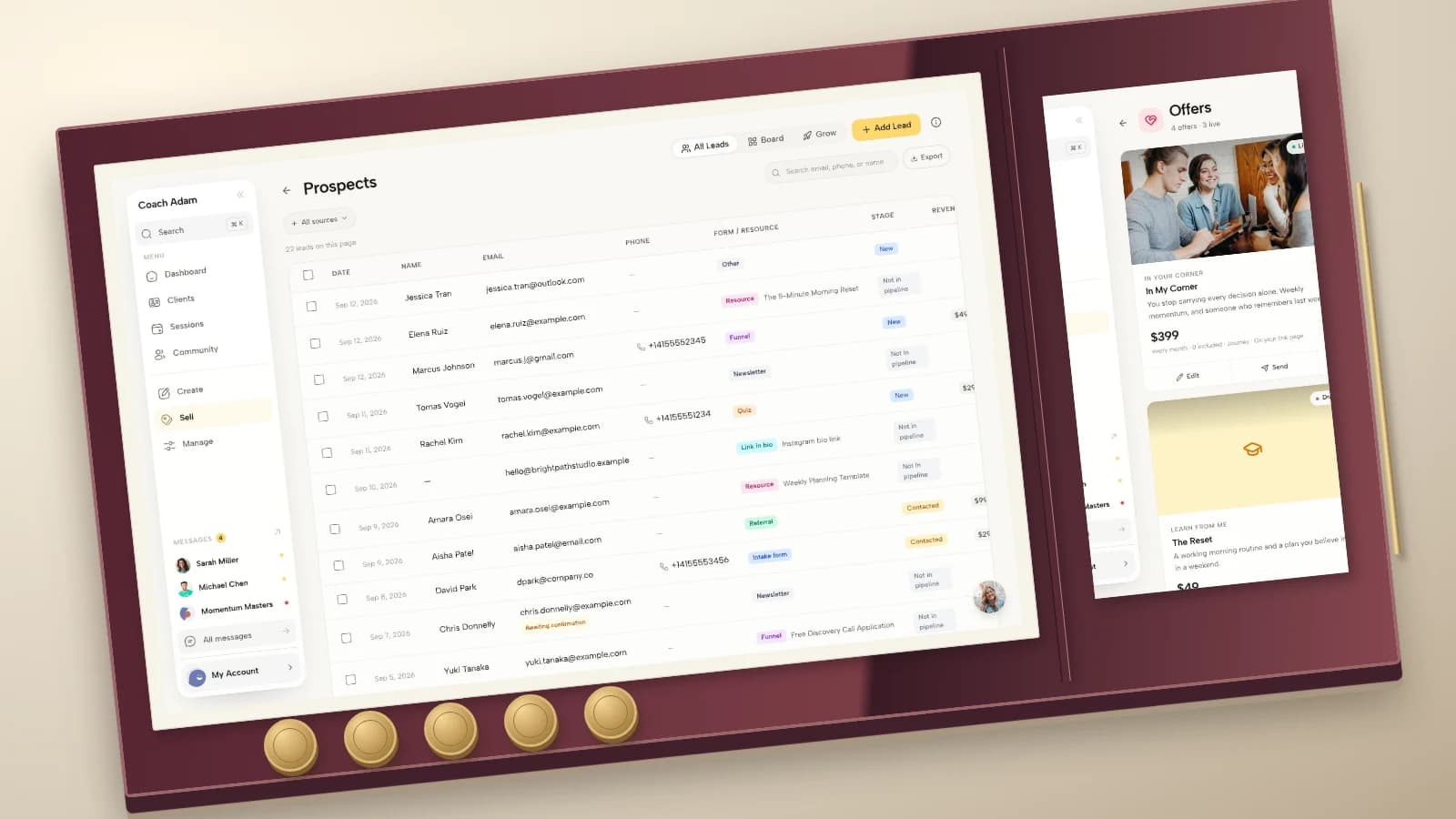
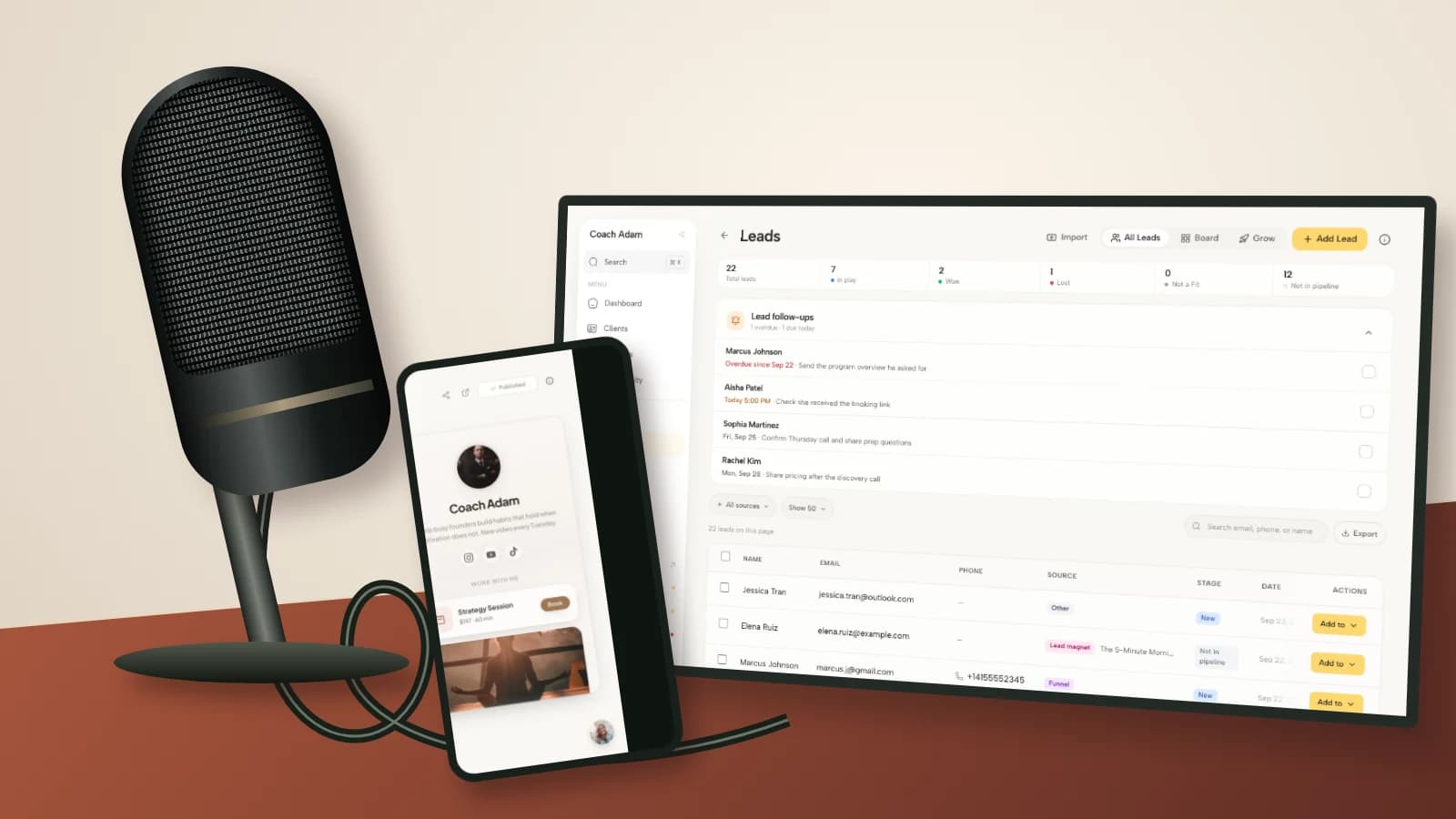
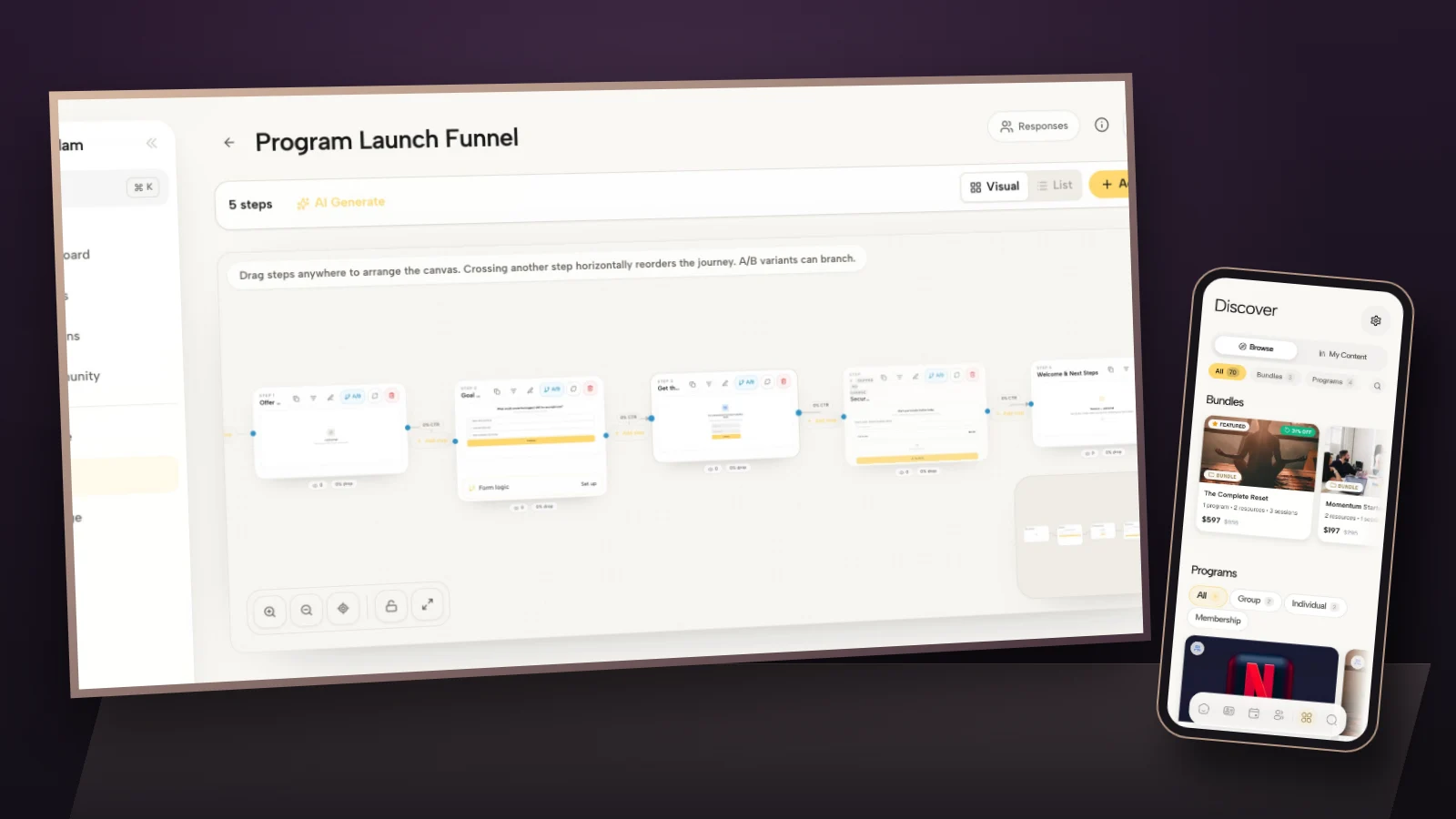
No such capability is established here. The screenshots show the website, profile, forms, leads and scheduling workspaces that can support your own response process. Nextdoor activity remains separate.
Make the local invitation worth following
The practical next move is not opening another feed. Write down one local audience, one accurate offer and one destination. Then test the path as a neighbor would: on a phone, without insider knowledge, and without having to reveal private information in public.
If you want to inspect that destination workflow, try the interactive Coachful demo using fictional details. Look at the website, inquiry and scheduling surfaces and ask whether they make your specific next step easier to understand. Local visibility is useful only when a suitable person can follow it somewhere sensible.