How to Ask for LinkedIn Recommendations: 5 Coach Templates

Nour
Founder, Coachful

How do you ask a coaching client for a LinkedIn recommendation without making their private work part of your marketing? Ask whether they are comfortable being publicly associated with the engagement first. Then invite a short, independent account of what they actually observed, using LinkedIn’s recommendation request rather than writing praise for them to approve.
A good request names the real relationship, suggests one optional area to discuss and makes declining easy. It does not require a promotion story, identify a confidential problem or imply that future coaching depends on an endorsement. The five templates below cover a completed engagement, an ongoing relationship, an employer sponsor, a professional peer and a reminder someone has already welcomed.
The useful distinction: you are asking for their judgement, not borrowing their identity. A recommendation attached to a professional profile can reveal a coaching relationship even when the wording contains no session details. That makes the decision different from submitting anonymous feedback.
Before asking: is LinkedIn the right channel?
LinkedIn recommendations are written commendations from members who know your work. According to LinkedIn’s recommendation guidance, you can request them from first-degree connections you work with or have worked with. The recipient can decline or simply not respond. When you receive a recommendation, you can accept it, dismiss it or request a revision.
Those controls do not make the relationship private. LinkedIn says an accepted recommendation is visible to your network by default, although you can hide it. Explain that public association before asking a client whose employment, health, relationships or other circumstances make visibility sensitive. Do not promise anonymity on a named professional profile.
- Use LinkedIn: the person knows your work, is comfortable with public attribution and can accurately describe the professional relationship.
- Use private feedback instead: they want to reflect on the work but not identify themselves publicly.
- Do not ask now: there is an unresolved complaint, an active payment disagreement or a reason the person may feel unable to refuse.
Start by checking who you actually worked with. A sponsor who bought coaching for an employee did not necessarily experience coaching themselves. A colleague who co-facilitated a workshop observed different things from a one-to-one client. The request should reflect that boundary.

Choose a sensible moment, not a pressure point
A completed engagement or a client-initiated expression of appreciation can create a natural opening. Neither obliges you to ask immediately. Finish the practical work first: confirm the ending, deal with outstanding concerns and make sure the client understands that the request is optional.
Do not put the request in the middle of a difficult session, attach it to a refund decision or make it the price of receiving a useful resource. In a continuing engagement, consider whether the client might interpret agreement as necessary to keep you happy. If you cannot make refusal genuinely consequence-free, wait.
Separate a request for feedback from a request for publicity. “Was this useful?” should not quietly become “May I publish your name?” If you need honest delivery feedback, collect that without a marketing expectation. For wording that helps a willing client describe their experience, see the separate testimonial formats guide; this article concerns asking for a native LinkedIn recommendation.

1. After a completed coaching engagement
Use this when: the engagement has genuinely ended, the client has expressed a positive experience and public attribution is appropriate. Do not assume a completion date means the client achieved everything they wanted.
Subject or opening: A LinkedIn recommendation, if you are comfortable
Hi [First name],
Thank you for the work you brought to our [accurate description of the engagement]. Would you be comfortable writing a short LinkedIn recommendation about your experience of working with me?
You could describe what you directly observed about how I coach, if that feels useful. Please leave out private session details and anything you would not want associated with your professional profile.
It is completely fine to decline. If you would like to do it, I can send the LinkedIn request.
[Coach name]
This first message checks comfort before placing a native request in their account. If they agree, keep the LinkedIn request brief rather than repeating the whole explanation. Replace the bracketed engagement description with something neutral and true, such as “our leadership coaching engagement,” only if that description itself is safe to disclose.
Do not insert a suggested achievement that the client has not volunteered. “Mention your promotion” can create both privacy pressure and an unsupported causal claim. A description of your working style may be more appropriate than an outcome, and the writer should decide.

2. During a continuing coaching relationship
Use this when: the client has independently said they would like to recommend you, but the work is ongoing. This is not a reason to solicit endorsements from every active client.
Subject or opening: Following up on your offer to recommend me
Hi [First name],
You mentioned that you would be happy to recommend my work. Thank you. If you still feel comfortable doing that publicly on LinkedIn, a few sentences about your experience so far would be welcome.
There is no need to describe private goals or predict an eventual result. Please use your own words, and feel free to leave it until our work finishes instead.
Either choice is fine and will not affect our coaching. Shall I send the LinkedIn request?
[Coach name]
The phrase “so far” matters. It stops a current experience from being presented as a completed success story. Keep the boundary true in your behaviour, too: no repeated mentions in sessions, no special treatment for endorsers and no coldness if the person decides against it.
If the client replies privately with useful comments, thank them privately. They have not thereby agreed to publish them, connect their profile or let you turn a message into a quotation. Ask the separate question rather than treating their warmth as consent.

3. From an employer sponsor or commissioning manager
Use this when: an HR professional, manager or other sponsor has direct experience of commissioning or coordinating your work. Ask them to describe that experience, not to speak for an employee’s private coaching.
Subject or opening: A recommendation about working together
Hi [First name],
Would you be comfortable writing a brief LinkedIn recommendation about your experience of commissioning [accurate service] with me?
Your observations on the contracting, communication or delivery arrangements would be useful, where you have direct knowledge. Please do not include employee identities, session content or outcomes you are not authorised to discuss.
If a public recommendation needs internal approval, please obtain that first. There is no obligation to proceed. I can send a LinkedIn request if it is appropriate.
[Coach name]
A sponsor may be able to comment on clear communication, agreed delivery or how you handled an organisational briefing. That does not make them a witness to confidential client progress. Nor should their personal recommendation be presented as an official company endorsement unless that has separately been authorised.
Choose an accurate relationship label in LinkedIn’s current flow. Do not select a false role just to complete the form. If the available choices cannot honestly represent the relationship, use another suitable route or do not proceed. Interface labels can change; accuracy matters more than following an old screenshot.

4. From a peer who has observed your professional work
Use this when: another coach or professional has directly collaborated with you. This can be a useful recommendation, but it is not a substitute for a client account and should not masquerade as one.
Subject or opening: Your perspective on our collaboration
Hi [First name],
I enjoyed working with you on [real collaboration]. Would you be comfortable writing a short LinkedIn recommendation about what you observed in that work?
For example, you might discuss our preparation or facilitation, if that reflects your experience. Please make clear that we worked together as [accurate relationship], rather than suggesting you received coaching from me.
No pressure if you would rather not. If you are happy to proceed, I can send the LinkedIn request.
[Coach name]
A co-facilitator can describe preparation and collaboration. A supervisor may have professional confidentiality obligations that make a public recommendation inappropriate. A friend who has never observed your work cannot supply a credible professional endorsement merely because they like you.
Avoid proposing a reciprocal trade: “Write me something glowing and I will do the same.” If you independently recommend a colleague, base it on your actual experience and disclose relevant connections when needed. Never fabricate a client relationship to make a recommendation look stronger.

5. One reminder after someone has agreed
Use this when: the person explicitly agreed to a recommendation and has not completed it. This is a gentle administrative reminder, not permission to follow up indefinitely with someone who ignored the original ask.
Subject or opening: The recommendation request, if still convenient
Hi [First name],
A brief follow-up on the LinkedIn recommendation you kindly offered to write. If it is still convenient, the request is waiting in LinkedIn.
A few honest sentences are enough, and there is no deadline. If your plans have changed, please leave it; I will not keep reminding you.
Thank you either way.
[Coach name]
Send this only when the request really is waiting and you have confirmed you sent it to the correct person. Do not manufacture a deadline or claim your business depends on their help. Silence after this reminder is a reason to stop, not a puzzle to solve with more channels.
If they say they cannot find the request, help with the immediate navigation problem without asking for account access. A person who changes their mind does not owe you an explanation. Thank them for considering it and keep your professional relationship separate.
Send the native request without changing the meaning
Once the person has agreed, use LinkedIn’s recommendation request flow for the relevant first-degree connection. Confirm the recipient and the accurate professional relationship, personalise the request and check the final wording before sending. Follow the current interface and official help rather than assuming every desktop and mobile screen is identical.
Optional prompts should invite recollection, not supply a verdict. “What did you notice about how sessions were structured?” is different from “Please say I am the best leadership coach.” Do not paste private session notes into the request to jog someone’s memory.
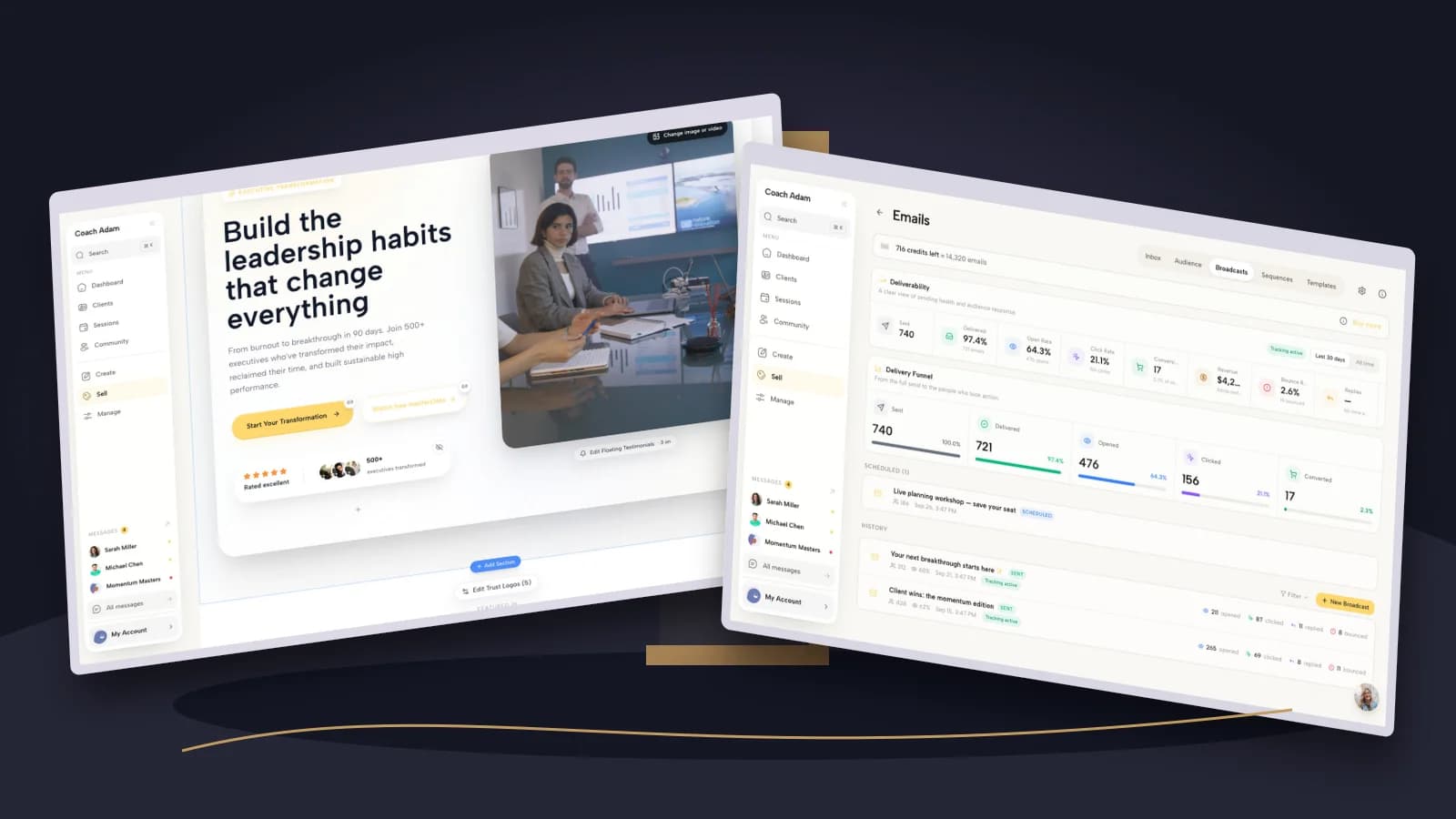
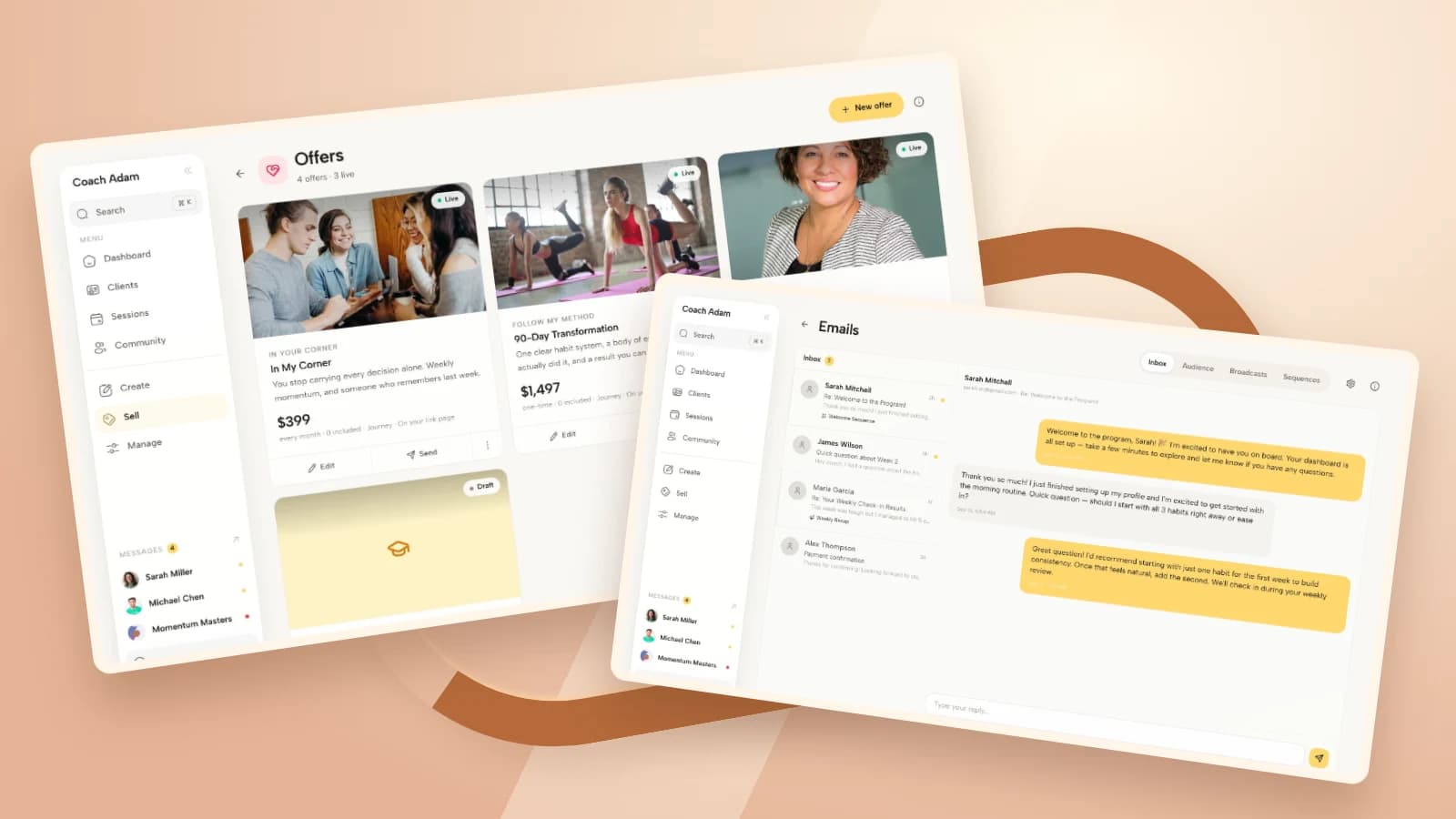
Keep the request separate from a sales campaign. Coachful’s correspondence and form screens can help illustrate the administrative work around an invitation and a later reuse decision. They do not demonstrate a LinkedIn integration, automatic request sending or automatic capture of LinkedIn recommendations.
Review what arrives before you accept it
Read for truth as well as warmth. Does the recommendation accurately state who the writer is, what work they observed and what actually happened? Has it accidentally disclosed someone else’s identity or a sensitive fact? Does it imply a guarantee you could not responsibly make?
LinkedIn allows you to request a revision. Use that for a factual correction or privacy issue, not to demand stronger praise. You can explain, “Thank you. Would you remove the employer’s name before I accept this?” Do not silently rewrite another person’s account and attribute your version to them.
Do not incentivise a positive recommendation with free sessions, refunds or preferential access. If any material connection or incentive exists, get appropriate advice on disclosure and applicable rules. A platform’s acceptance controls do not resolve advertising, professional or privacy obligations for your practice.
Ask separately before reusing it on your website
Publishing a recommendation on LinkedIn is one decision. Extracting it for your website, paid advertisement or proposal is another. Ask for the exact quotation, attribution and placement you intend to use rather than relying on a vague “Can I use your feedback?”
May I quote these exact sentences on my coaching website: “[proposed quotation]”?
Proposed attribution: [agreed name and role]. Placement: [specific page]. I will not change the original meaning or publish this version before your approval.
Keep the original, the agreed quotation and the permission record distinguishable. If you shorten the recommendation, make sure the result remains honest in context. A sentence about feeling prepared must not become proof of a promotion, income increase or health outcome.

A small form can make the reuse question precise: exact wording, named placement, proposed attribution and a clear yes or no. Do not bundle website use, advertising use and future unspecified use into an ambiguous required checkbox. A screenshot of a form is only an example of a collection surface, not legal approval or proof of a particular client’s permission.

Frequently asked questions
Can I request a recommendation from someone who is not a connection?
LinkedIn’s guidance says recommendations can be requested from first-degree connections you work with or have worked with. Do not send a misleading connection invitation simply to unlock the request. If connecting publicly is uncomfortable for the client, private feedback may be the better route.
Should I write the recommendation for my client?
Offer optional questions, not invented praise. The person should describe their own experience in their own words. If they ask for help expressing a point, preserve their meaning and let them decide what to submit. Never create an endorsement from session notes without their participation.
How long should the recommendation be?
A few specific, honest sentences can be enough. There is no need to assign a word count that turns the favour into homework. One accurate observation about the work is more useful than a long statement assembled from claims the person cannot substantiate.
Can I hide an accepted recommendation?
Yes. LinkedIn’s guidance says you can hide a recommendation you have accepted. It also notes that removing a connection withdraws recommendations between you and that person, and reconnecting does not restore them. Do not present hiding as a promise that no one has previously seen the statement.
The final check
Choose one person who can honestly comment on your work. Check whether public association is appropriate, choose the matching template and remove every placeholder. Send a respectful permission question before the native request, then leave authorship and the decision with them.
If the administration is the part that keeps slipping, explore how you would handle the correspondence and a separate reuse-permission form before asking more people. Try the interactive Coachful demo to inspect those supporting surfaces. The recommendation itself remains a LinkedIn action, not a task Coachful is claimed to perform.