Newsletter Sponsorship for Coaches: 5 Checks Before Selling Ads

Nour
Founder, Coachful
Should you accept a newsletter sponsor if your coaching list is still small? Only when the advertiser fits your readers, the placement pays for the work, and you can describe exactly what you will deliver without promising sales.
A sponsor is buying a defined advertising placement, not access to your client relationships. Start with one clearly labeled block in one issue, keep editorial control, and report the measures you actually have. If the arrangement requires exaggerated reach, a hidden endorsement or subscriber data, decline it.
For a coach, the important question is not whether newsletters can earn advertising revenue. It is whether this particular deal strengthens or distracts from the practice you want to run. These five checks help you decide, price a small test and prepare a practical placement order.
1. Check whether sponsorship belongs in your coaching business
Your newsletter may exist to attract coaching enquiries, support an alumni community or publish useful professional commentary. Advertising is an additional commercial job. It introduces a buyer, creative approvals, payment administration and reporting, even when the ad is only a few sentences.
Compare that job with your alternatives. Would the same time be better spent following up a suitable coaching enquiry, improving a paid workshop or producing the next useful issue? Sponsorship can be reasonable without becoming your primary revenue model. It can also be a poor trade even when someone offers to pay.
Write three sentences before approaching advertisers:
- Reader promise: “This letter helps first-time managers prepare difficult workplace conversations.”
- Permitted sponsor category: “Relevant professional learning resources that we can evaluate honestly.”
- Boundary: “No access to client information, guaranteed outcomes or control over our independent advice.”
Those sentences are a fictional example, not a policy every coach should copy. A health coach needs particular care around supplement claims, weight-loss products and services that could blur clinical boundaries. A career coach should examine recruitment products and paid training claims. Relevance alone does not establish safety, effectiveness or ethical fit.
Distinguish three arrangements. A flat-fee sponsor pays for the agreed placement. An affiliate arrangement pays according to an agreed tracked action or sale. A partnership may involve exchanged services rather than money. State which one applies; do not present affiliate estimates as booked advertising revenue.
Ask a blunt question: would you be comfortable explaining this arrangement to a current coaching client? You need not personally use every advertised product, but you must not imply personal experience you do not have. If the advertiser requires your “honest recommendation” before you have evaluated the offer, that is a reason to stop.
2. Establish what you know about your audience
There is no universal subscriber count that makes a coaching newsletter ready for direct sponsorship. A buyer may value a specific audience, but that does not mean a small list automatically commands a premium. The buyer still needs a credible reason to purchase the placement.
Describe the readership with evidence and dates. State the opted-in list count separately from the number of messages delivered in recent comparable issues. Explain whether your description of readers comes from voluntary survey responses, subscriber choices or your own editorial focus. “Written for managers” is not the same as “every subscriber is a manager.”

Prepare a short evidence note covering:
- Publication: subject, normal frequency, audience promise and representative issues.
- Reach: current eligible subscribers and recent delivered counts, with the measurement period.
- Engagement: available link-click measures, their definitions and known filtering limits.
- Evidence gaps: no previous sponsor results, incomplete audience survey or unavailable link-level reporting.
- Commercial inventory: the exact placement you are offering, rather than an undefined “partnership.”
Use a representative set of recent issues rather than your best send. Explain unusual changes in audience or frequency. If you have never run an ad, say so. Editorial article clicks may help a buyer understand the publication, but they are not a forecast of clicks on an unfamiliar paid product.
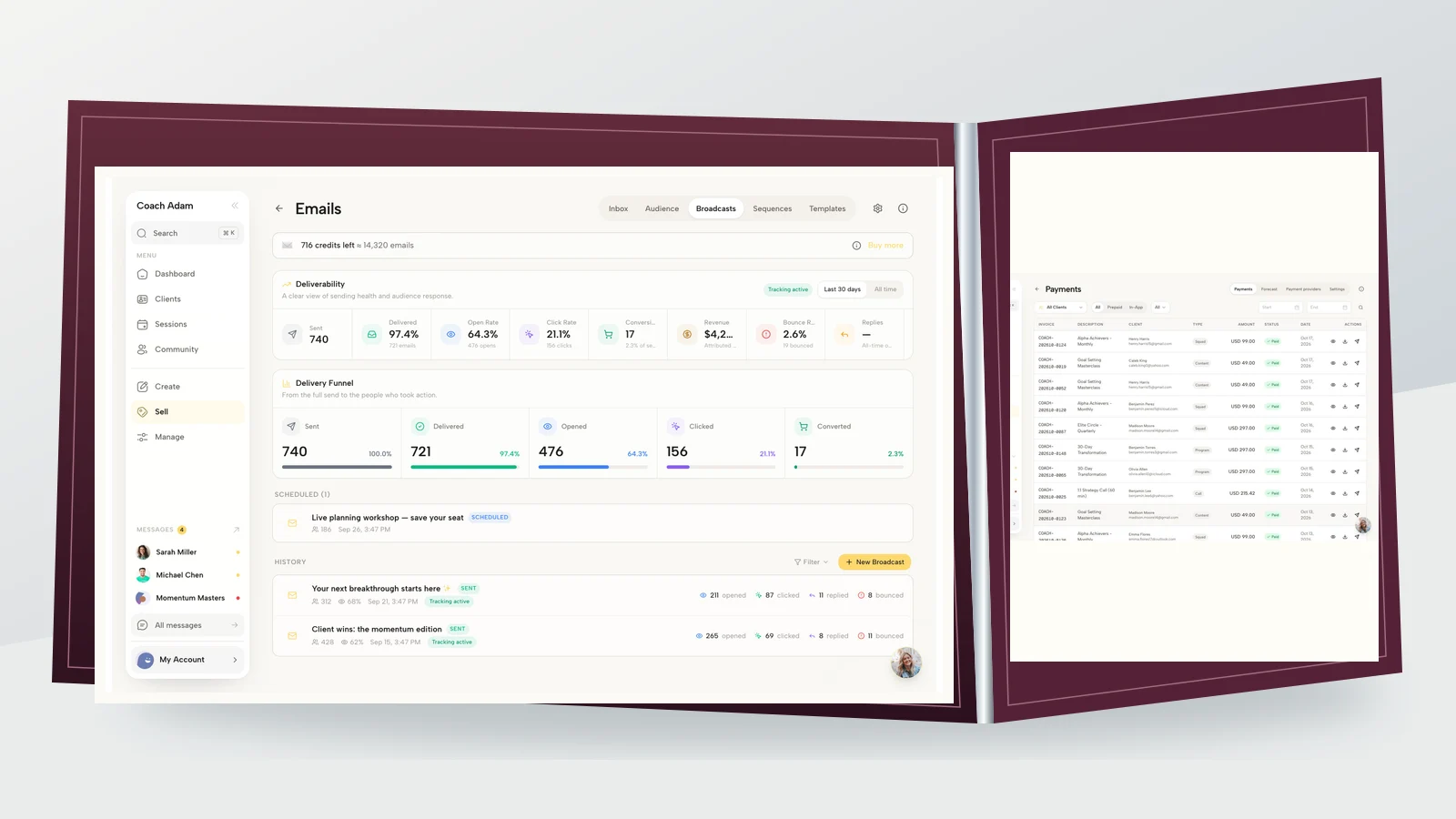
Do not price on opens as though they were verified readers. Privacy features and blocked tracking images affect open measurement, and security scanners can affect click records. Our email marketing metrics guide explains why counts, denominators and definitions belong together.
Only promise a sponsor-link report if your actual sending setup can produce one. If you have campaign-wide clicks but no reliable sponsor-link breakdown, disclose that limitation before accepting payment. Adding campaign labels to a URL can help the advertiser distinguish traffic, but it does not establish that every recorded visit is human or that a later purchase was caused by the ad.
Protect the boundary around the people behind the numbers. Supply aggregate information, not subscriber names, email addresses or coaching concerns. A sponsor does not acquire your list. Avoid publishing tiny audience segments that could identify individual clients, especially when your niche or local community is small.
3. Define the placement and make the advertising obvious
Start with a small piece of inventory you can describe precisely: one labeled text block, in one named issue, with a word limit and a descriptive destination link. Choose its position deliberately. Do not sell a “top placement” and quietly move it to the footer when the editorial content grows.
A useful specification names the publication, issue date or agreed window, section, maximum copy length, link allowance, creative deadline and approval process. State whether you write the copy, edit supplied copy or merely review it. If an image is included, agree its requirements and rights rather than accepting an enormous attachment the night before sending.

The specimen above has a simple live-text equivalent:
ADVERTISEMENT: PAID PLACEMENT
[Sponsor name]
[Specific, supportable product description.]
[Who it is for, and a relevant limitation.]
[One descriptive link to the sponsor’s page.]
Use plain language readers can understand before engaging with the ad. Do not hide the disclosure in an image, a general footer or a distant policy page. Test that it stays beside the placement on a phone and when images are blocked. Avoid vague labels that require a reader to infer the commercial relationship.
In the United States, the FTC’s native advertising guidance explains that both advertising claims and the overall presentation matter. A paid message should not appear independent or impartial when it is not. Applicable rules vary by jurisdiction and format; a label alone does not make an unsupported claim acceptable.
Check the actual destination. Does it match the copy? Are important limitations or costs buried? Are testimonials, credentials and outcome claims supportable? You do not become the sponsor’s legal department, but you should not publish claims you cannot responsibly carry. Decline or remove disputed language rather than asking a disclosure to excuse it.
If the advertiser wants a dedicated email or an entire sponsored article, treat that as a different product. It changes the editorial promise, workload and commercial scope. Do not casually add a standalone promotional send to a newsletter audience that expected something else.
Make the sponsor route separate from the reader route
A short public page can explain the publication, eligible categories, placement and enquiry method. It should not look like a coaching application. A potential advertiser needs to understand what they can buy, while readers need to understand why the newsletter is worth receiving.

For an initial sponsor enquiry, ask for the business name, public website, product, intended audience, proposed timing, contact and any claims the sponsor wants to make. Do not request sensitive reader information or a large research brief just to decide whether a conversation is worthwhile.

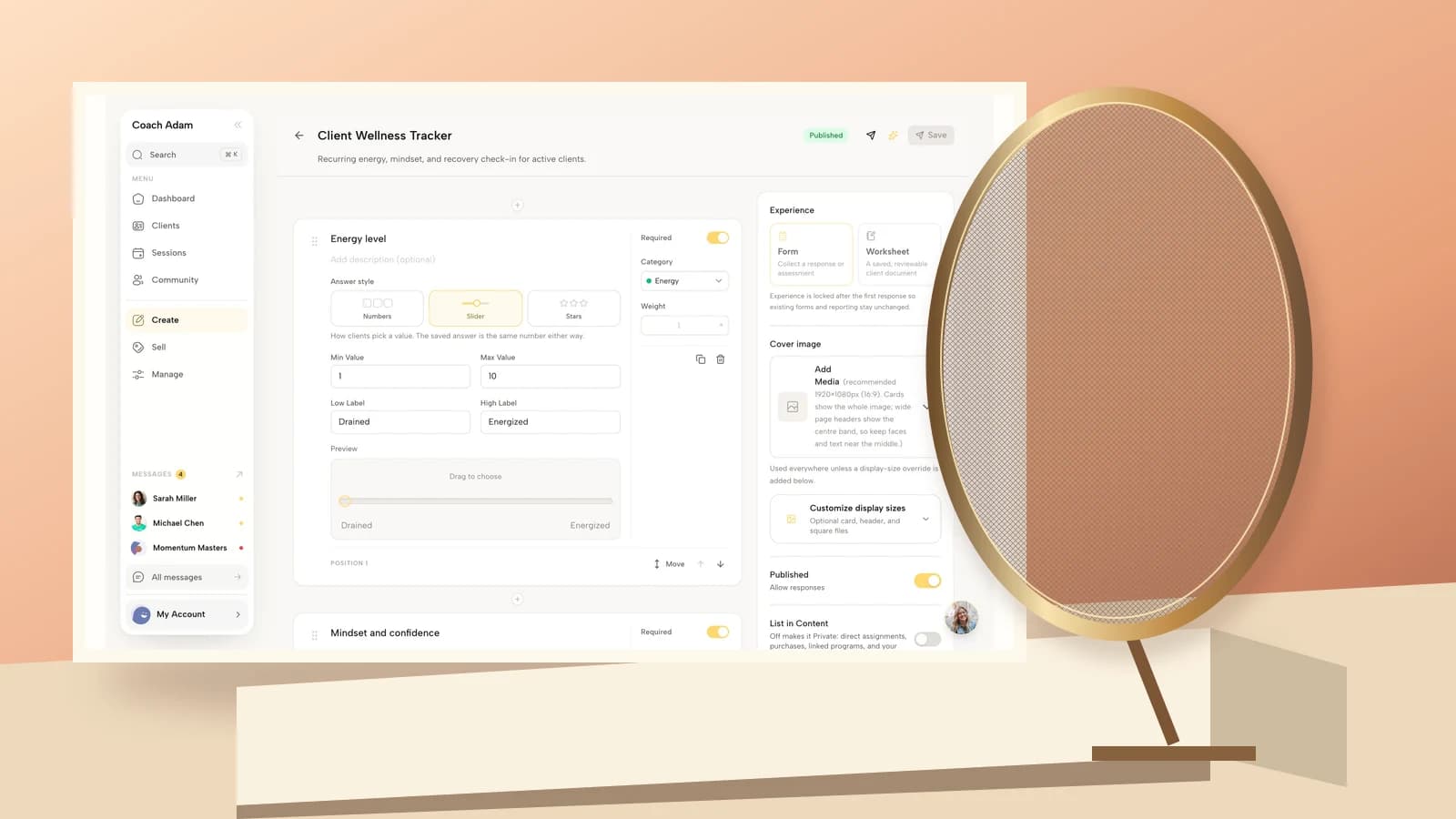
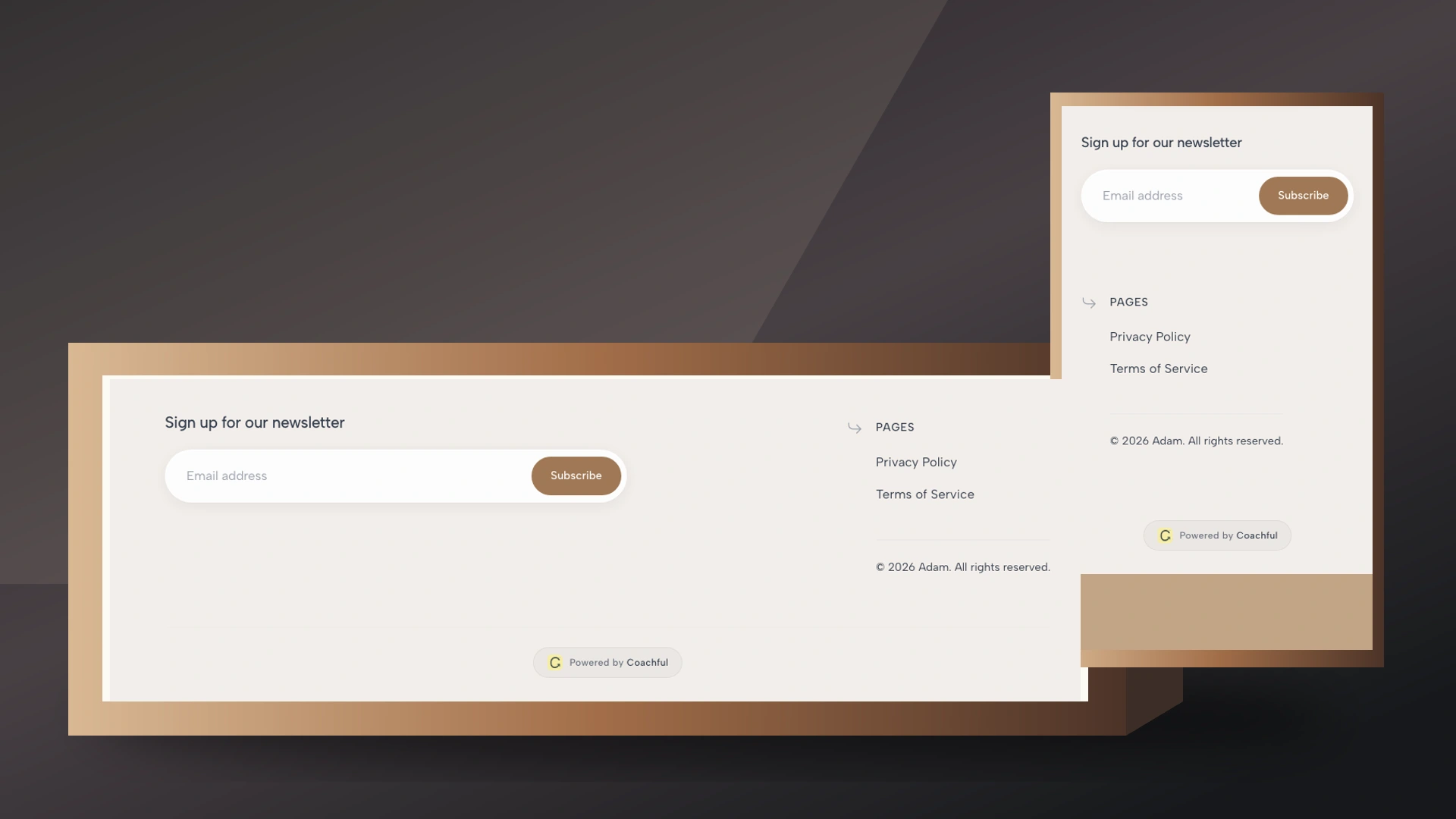
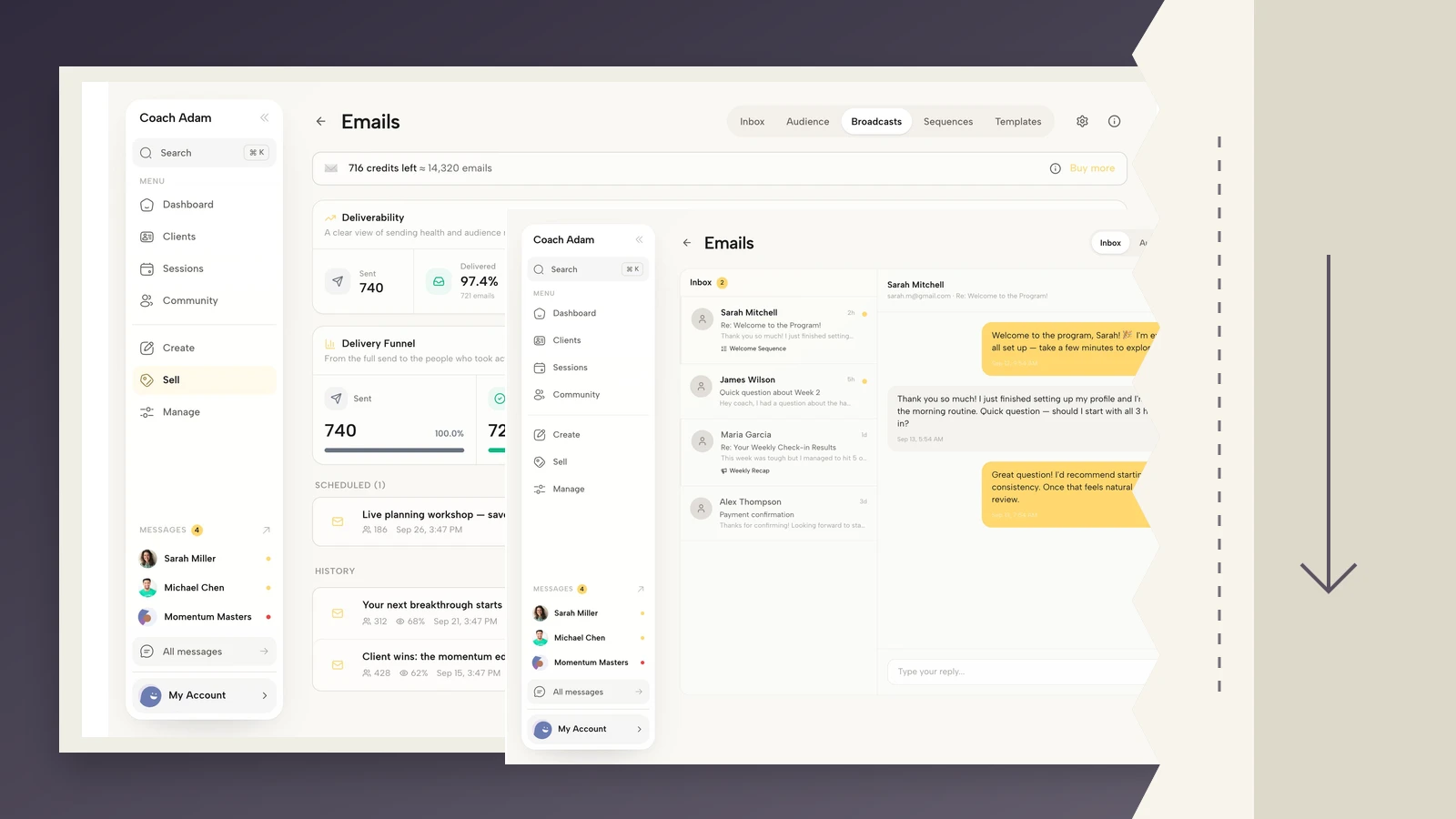
Coachful’s website and form editors are relevant surfaces to inspect for that administrative route. The screenshots show existing demo content, not a prebuilt sponsorship system. Check public access, the submitted information and where enquiries arrive in your own setup before relying on it.
4. Price the whole job, not just the paragraph
There is no verified universal sponsorship rate for a coaching newsletter. Audience fit, evidence, placement, exclusivity, creative work and buyer alternatives all matter. An internet price range is not proof that your readers or a particular advertiser support that price.
Build an internal floor from the work: prospecting, due diligence, writing, revisions, approval, test rendering, invoicing and reporting. Include direct costs and any genuinely agreed exclusivity. Your floor tells you whether the deal is worth considering; it does not establish what a buyer will pay.

Here is a fully fictional example, not a suggested rate or a Coachful customer result. A coach quotes $180 for one issue. The work takes three hours, valued internally at $40 per hour, and has $10 of direct costs. The internal remainder is $50 before tax and other overhead: $180 minus $120 minus $10.
The labour allowance is a planning input, not necessarily a cash expense. Still, it exposes an easy mistake: a paid ad can look attractive until you count the negotiation. If the sponsor requests additional copy, meetings or a new landing page, revise the scope rather than quietly donating that time.
Suppose this fictional issue delivers to 1,500 addresses and records 18 unique sponsor-link clicks. The implied cost per thousand delivered messages is $120: $180 divided by 1,500, multiplied by 1,000. The observed cost per recorded unique click is $10: $180 divided by 18.
Those are retrospective diagnostics, not promised impressions, verified people or sales. Delivered messages are not confirmed views. Recorded clicks may include automated activity. Do not relabel either figure as the sponsor’s customer-acquisition cost, which would require a different numerator, actual customer data and an agreed attribution method.
For a first test, a flat placement fee with explicit deliverables can keep the arrangement understandable. If you choose performance pricing instead, define valid events, tracking, exclusions, reporting access, disputes and payment timing. Do not sign up for a click guarantee you cannot measure or a revenue guarantee you cannot control.
Do not bundle several issues simply because someone says sponsorships must be sold in packages. Repeated placements can be useful, but a larger commitment also multiplies delivery obligations. Start with a scope both parties can evaluate and negotiate later work on actual evidence.
5. Agree approval, payment and reporting before the send
Use a written placement order or suitable agreement. It should let both parties identify the job without reconstructing a month of messages. An enthusiastic “sounds great” does not settle cancellation, creative rejection or what happens when an issue is postponed.

Copy these fields into a planning document, then obtain appropriate advice for the terms you intend to use:
- Parties and issue: advertiser, publisher, publication, named placement and date or window.
- Inventory: location, word count, link allowance, image rights and any precise exclusivity.
- Creative: who drafts, what must be supplied, approval deadline, included revisions and final approval method.
- Editorial control: disclosure, prohibited categories, claim checks and the ability to reject unacceptable material.
- Commercial terms: fee, currency, applicable tax treatment, payment timing and cancellation or postponement terms.
- Reporting: available metrics, definitions, review date, known limitations and no unagreed performance guarantee.
- Reader boundary: no subscriber-list access or private client information; any separate data arrangement requires its own assessment.
- Delivery problem: the agreed process and proportionate remedy if the promised placement is missing or incorrect.
This is a commercial checklist, not a ready-to-sign legal document. Do not insert sweeping indemnities, guaranteed legal compliance or unrestricted reuse rights you have not understood. A sponsor’s payment does not automatically buy ownership of your newsletter or permission to reuse your name in unrelated advertising.

Keep a final approved version of the copy and destination in writing. If the sponsor changes the link after approval, recheck it. If approval misses the deadline, follow the agreed process rather than guessing that silence means consent.
Match the invoice to the order: correct legal customer, placement reference, amount, currency and payment timing. Keep an invoice, payment and delivered placement as separate facts. A paid invoice does not prove that the ad ran; a sent newsletter does not prove the customer has paid.

After the agreed reporting window, send a short report with the issue link or approved proof, delivery date, defined available measures and limitations. Ask the sponsor about their own observed outcomes without claiming access to them. Never add the sponsor or their staff to your newsletter merely because they purchased a placement.
Review your side too: hours, direct costs, payment collected, reader feedback, unsubscribes and whether the editorial issue remained useful. One complaint is not a complete audience survey, but repeated confusion about paid recommendations is a reason to revisit the arrangement. Do not keep a poor-fit sponsor simply because renewing is easier than finding another buyer.
A first sponsor pitch you can adapt
Use an appropriate business contact route and comply with applicable outreach rules. This fictional template opens a conversation; it does not imply the recipient has agreed to receive marketing:
Subject: Paid placement enquiry: [newsletter] and [specific audience]
Hi [Name],
I publish [newsletter], a [frequency] letter about [specific topic] for [audience]. I am exploring one clearly labeled advertising placement in [issue or window].
Your [verified product] may be relevant because [specific reason]. Here are a representative issue and a dated audience summary: [working links]. We have [honest statement of previous sponsor experience, including none].
The proposed placement is [scope] for [fee and currency], with [available reporting] and no sales guarantee. Would you be the appropriate person to assess whether that fits?
[Name and business contact]
Remove any sentence you cannot substantiate. Follow a recipient’s stated process and respect a decline. Do not turn a promising advertiser into an automated follow-up sequence without considering the relationship and permission.
FAQs about newsletter sponsorship for coaches
Can I sell sponsorships with fewer than 1,000 subscribers?
You can discuss a direct placement with a relevant buyer, but there is no guaranteed demand or viable price at that size. Be candid about the evidence. Compare the likely fee with the administration and the value of keeping the newsletter focused on your own coaching work.
Should I share subscriber details with the sponsor?
Not as part of an ordinary advertising placement. Give aggregate, appropriately de-identified reporting. A reader who chooses to visit the sponsor’s page can decide whether to provide information there under that site’s terms. Do not make an undisclosed transfer of your subscribers or client records.
Can I guarantee clicks or coaching leads?
Do not promise results you cannot control or measure. Sell the agreed placement and explain available reporting. A sponsor’s offer, landing page, pricing and follow-up affect results beyond your newsletter, and automated activity can distort recorded clicks.
Does Coachful find or manage newsletter sponsors?
This guide does not claim a sponsor marketplace, automated ad insertion or bespoke sponsor reporting. The actual email, website, form and payment surfaces shown support parts of the administration. Evaluate the exact capabilities and measurement available in your account before making a commercial commitment.
Make one small deal easy to evaluate
Before accepting a sponsor, finish three things: a written reader boundary, a precisely scoped placement and an honest evidence note. Then calculate the work and agree how delivery will be checked. If those basics are difficult to settle, a larger package will not make the arrangement clearer.
If the administrative route is the obstacle, Try the interactive demo to inspect Broadcasts, website editing, forms and payment records. Use the visit to identify what you can verify in your own practice before promising a sponsor anything. The useful next step is a testable process, not a claim that software supplies an advertiser.
Sources and scope: The FTC source above supplies US advertising-disclosure principles. Current direct-query research confirmed demand for newsletter sponsorship and small-list guidance; published commercial advice disagrees about audience thresholds and prices, so none is treated here as a benchmark. The selection method, templates and fictional calculations are original editorial guidance for coaches, not legal, tax or investment advice.