Coaching Sites: What the Best Ones Do, and How to Build One
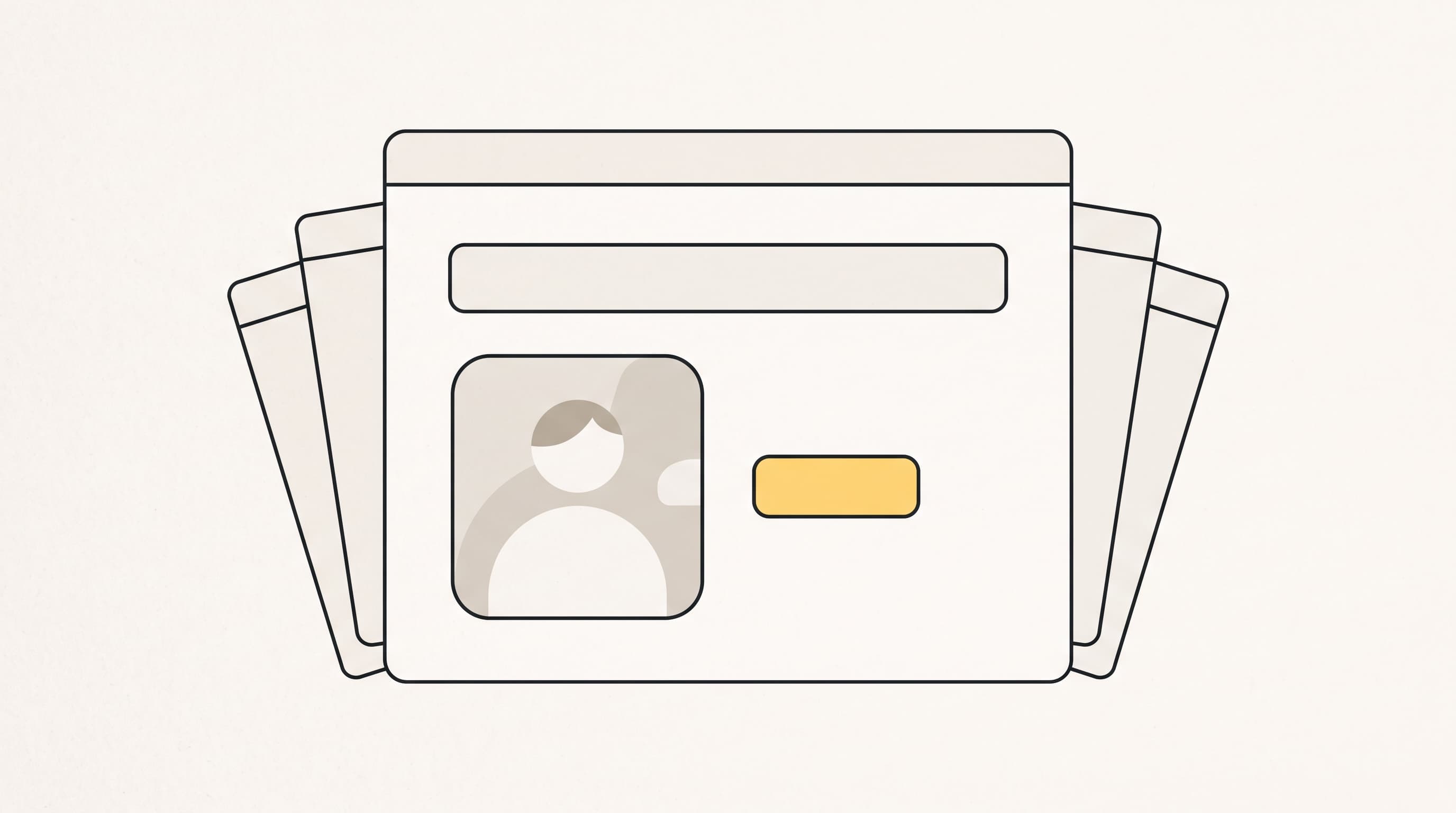
The best coaching sites all do the same small number of things. They say who the coaching is for in the first sentence, show the coach as a person, prove that the work produces results, and make booking the obvious next action on every screen. Everything else, the mood photography, the manifesto, the colour palette, is decoration on top of those four jobs.
This page is a structural guide to coaching sites: the pages a coaching site needs, what belongs on each one, the order to build them in, and the mistakes that cost bookings. If you want the tools instead, we compared them in 12 best platforms to build a coaching website.
What is a coaching site actually for?
One job: turning a stranger who heard your name into a booked call. Not awards, not a portfolio, not a brochure. Somebody heard you on a podcast, got your name from a friend, or read something you wrote, and they are checking whether you are real and whether you work with people like them.
That visitor arrives with three questions, and a good site answers them in this order:
- Is this for someone like me? Answered in the headline, in their words, not your methodology's words.
- Can I trust this person? Answered by your face, your voice and other people's results.
- What happens if I say yes? Answered by a visible price or range, a described first session, and a booking button.
A site that answers all three converts a surprising share of the people who reach it. A site that answers none of them is a brochure, and brochures do not book calls.
The first screen decides the visit
Most visitors decide whether to keep reading in the first few seconds, on a phone, with one hand. That first screen needs exactly four elements and nothing else.
- A headline naming the person and the problem. "I help new managers stop drowning in their first leadership role" beats "Transformational coaching for ambitious souls". Specific excludes people, and excluding people is how the right ones recognise themselves.
- One sentence of proof or context. Who you have done this for, how long, or one number.
- One button. Book a call, or get the free thing. Not both, and never five.
- Your face. Coaching is bought from a person. A stock photo of a mountain is a missed introduction.

If you want help with the wording, our 25 copywriting formulas for coaches has filled-in examples you can adapt for the headline and the button. For the photograph, natural light against a plain wall beats anything staged, and our guide to the best stock photo sites for coaches covers the supporting images you still need.
Which pages does a coaching site need?
Five, plus two legal ones. More pages do not mean a better site; they mean more places for a visitor to get lost.

- Home. The whole argument on one page: who it is for, the proof, the offer, the booking. Assume most visitors never go anywhere else.
- About. The most visited page after home, and the one coaches waste. It is not your biography, it is why you of all people are qualified to help with this problem. Credentials at the bottom, the reason you care at the top.
- Work with me. The offers, described in outcomes and duration, with a price or an honest range. The page that hides the price gets the email "how much is it" and loses everyone too polite to ask.
- Results. Testimonials, case studies, before and after. Specific beats glowing: "she went back to work after four years" outperforms "she is amazing".
- Contact or book. A live booking calendar, not a form that promises a reply within 48 hours.
- Privacy and terms. Required if you take payments or collect emails, and increasingly checked by the people who send you corporate work.
A blog is the optional sixth, and it is optional only in the sense that a site without one still works. A site with one is how strangers find you from search and how AI assistants learn that you exist, which matters more each year.

What separates coaching sites that book calls
Six differences show up again and again when you compare a site that produces enquiries with one that does not.
- The price is on the site. Even a range. Hiding it filters out serious people, not cheap ones.
- Booking is live. Real open times, not a contact form. Every reply you have to write by hand is a day of lost momentum.
- Proof sits next to the ask. A testimonial directly above the booking button does more than a wall of them on a separate page.
- There is a low-commitment option. Not everyone is ready to book. A short guide or a quiz in exchange for an email keeps the relationship alive.
- The first session is described. "Fifty minutes, we map where you are and what is in the way, you leave with one thing to change" removes more fear than any reassurance.
- It works on a phone. Most of your visitors are on one, usually from a social profile link.
Our deeper piece on a website for coaches that actually gets clients walks through the conversion side, and 7 best websites for life coaches shows how this looks in the life-coaching niche specifically.
The link in bio is half your site
For most coaches now, the majority of first visits arrive from a social profile on a phone. That means the link in your bio is the real front door and the site is what people read afterward.
The version that works is not a list of links pointing away. It is a small page that does the same four jobs as your home screen and lets people book, buy and join the list without leaving.

How to build a coaching site in an afternoon
The order matters more than the tool. Build in this sequence and you will have something live today rather than a perfect site in three months.
- Write the headline first, before you look at any design. Who it is for, what changes.
- Collect three testimonials, by asking three past clients what changed for them. Ask for the specific outcome, not praise.
- Decide the offer and the price. One core offer, one entry offer. Two choices convert better than six.
- Set your booking availability so the calendar is real from day one.
- Assemble the five pages from a structure rather than a blank canvas.
- Connect the domain, then publish. A site that is live and plain beats a draft that is beautiful.
- Add the blog later, one useful answer at a time.
In Coachful, those five pages exist as a structure you switch on, and an existing site can be imported rather than rebuilt. The booking on the site uses live calendar availability, the payment happens in the same flow at a 0% platform fee, and a booked call lands on a client record with the agreement and the program attached. It is the same subscription that runs the funnels, the email sequences and the link hub, from $29 a month with a 7-day free trial.

Seven mistakes that make a coaching site quiet
- A headline about you. "Certified transformational coach" tells a visitor nothing about their own problem.
- No face. People hire a person. Show them the person.
- A contact form instead of a calendar. Every manual reply loses people who were ready.
- Hidden pricing. It reads as expensive and uncertain, which is worse than expensive.
- Vague testimonials. "Life changing" proves nothing. Name the change.
- Six calls to action. Book, subscribe, follow, download, read, message. Pick one per screen.
- A site nobody can find. Without a blog or a marketplace listing, the only visitors are people you send yourself. Our roundup of the best online coaching platforms covers the platforms that solve both.
Frequently asked questions
What pages should a coaching site have?
Five: home, about, work with me, results, and contact or booking, plus privacy and terms if you take payments or collect emails. A blog is the valuable optional sixth because it is how strangers and AI assistants find you. More pages than that usually means the home page is not doing its job.
Do coaches really need a website in 2026?
Yes, though it can be small. Referrals and social mentions still send people somewhere to check you out, and a profile with no bookable page loses them. What you need is one page that names who you help, shows proof and books a call, which is why many coaches start with a link hub and grow into a full site.
Should I put my prices on my coaching site?
Yes, at least a range. Hiding the price adds a step and filters out the people who are serious about their time, not the people who cannot afford you. Naming a range also sets the conversation up so the call is about fit rather than cost.
What makes a coaching site convert?
A specific headline in the visitor's own words, your face, proof of a concrete outcome placed next to the ask, live booking rather than a contact form, a described first session, a visible price, and one low-commitment alternative for people who are not ready yet. Sites that do those seven things book calls; sites that look beautiful and skip them do not.
How much does a coaching site cost to build?
A coaching platform with a built-in site starts around $29 a month and includes booking and payments. A designer-built WordPress site typically costs a few thousand up front plus hosting, a theme and plugins. The expensive version is worth it once you know exactly what converts, which you learn from the cheap version first.
Can I move my existing coaching site over?
Usually yes. Coachful can import an existing site by address, bringing over pages and blog posts to edit rather than rebuild. Keep the same page addresses where you can, so the search rankings you already have follow you.
How long should it take to build a coaching site?
An afternoon for a working version, using a structure rather than a blank canvas. The slow parts are not technical: writing the headline, choosing one offer and a price, and collecting three specific testimonials. Do those first and the assembly takes about an hour.
Join Coachful now
Coaching sites do not need to be impressive. They need to answer three questions and then get out of the way of the booking. Write the headline, gather three real outcomes, name a price, and put a live calendar behind one button.
Coachful gives you the five pages as a structure, imports the site you already have, and runs the booking, payments, funnels and follow-up from the same subscription at a 0% platform fee. Start the 7-day trial and have the front door live today.