Coaching Workshop Run of Show: Template and 60-Minute Example

Coachful
Editorial Team
What do you do when the discussion is running long, your co-host is waiting for a cue, and the exercise that matters has not started? A coaching workshop run of show should answer that before the room opens. Give every block a time, an owner, an exact instruction and a fallback. Decide what you will shorten so you can protect practice, reflection and a proper ending.
Your slides cannot do this job. They show what participants see, not who posts the link, when you stop a discussion or what happens if an activity fails. The useful document is a private delivery sheet that lets you make those decisions without conducting a second meeting in your head.
Below is an original run-of-show template and a complete hypothetical 60-minute example. It is written for coaches facilitating an online workshop, but the same structure can support an in-person session. The timings are planning choices, not a validated formula or a guarantee of learning outcomes.
What is a workshop run of show?
A run of show is the facilitator's operational sequence for delivering an event. It records what happens, when it starts and ends, who leads it, what participants must do, which materials are needed and how the team handles a change. Think of it as a set of delivery decisions rather than a longer agenda.
An agenda might say “practice and discussion.” A useful run sheet says: “At minute 20, give the drafting instruction, post the worksheet, allow eight minutes of private work, then invite a voluntary comparison. If the link fails, paste the prompt into chat.” The second version can guide an actual handoff.
Keep four documents distinct:
- Participant agenda: the public sequence and expectations.
- Workbook: the space where participants attempt the task and record their thinking.
- Slide deck: the visual support for explanations and instructions.
- Run of show: your private timings, cues, ownership and contingency choices.
Our workshop workbook guide addresses participant materials. This article covers the delivery sheet beside those materials. A polished workbook does not tell a co-facilitator when to interrupt you.

Start with the task participants will complete
Write one bounded output before filling in minutes. For the example here: “Participants will compare two competing work priorities, draft a question that makes the trade-off explicit, and choose one realistic next step.” That output helps you distinguish essential work from an interesting extra conversation.
Do not promise to solve everyone's workload in an hour. A workshop can support a useful attempt without controlling a participant's employer, resources or future decisions. Use fictional examples where personal disclosure would be unnecessary or risky, and tell people they can decline to share.
Now work backward. What explanation is necessary before the attempt? What reflection will help participants notice what changed? What must happen at the end for the exercise to leave the room? Put those blocks in first. Introductions and extra examples receive the time that remains, not the other way around.
A copyable coaching workshop run-of-show template
Use a spreadsheet, document or planning tool that you and any co-host can actually read during delivery. Specialist facilitation software such as SessionLab describes facilitator guides that combine agendas, materials and instructions. You do not need a new application to use the structure below.
At the top of your document, record the workshop name, delivery date, time zone, duration, audience, version and named lead. Add the participant location, material links and the agreed help route. Keep sensitive participant information out of a sheet you may share with a producer or guest facilitator.
Duplicate this block for each activity:
- Start and finish: [elapsed minutes] and, if useful, [local clock times].
- Purpose: [what this block helps participants do].
- Owner: [one named person responsible for the transition].
- Spoken instruction: [the exact short wording you will give].
- Participant action: [write, choose, discuss, practise or review].
- Materials and cue: [slide, page, link, timer or message].
- Evidence to notice: [what tells you people understood the task].
- Fallback: [what changes if time, access or participation differs].
- Exit line: [how you bring this activity to a close].
Use an observable check instead of “participants are engaged.” For example, can someone state the choice they are comparing? Do they know where to write? A quiet room might mean productive thinking, confusion or a technical barrier. Do not infer which one from silence alone.

For a solo workshop, put your own name in the owner field. That still exposes impossible transitions: you cannot explain a complex task, privately troubleshoot three participants and monitor every chat message simultaneously. Simplify the activity, agree a realistic help arrangement or bring in appropriately authorized support.
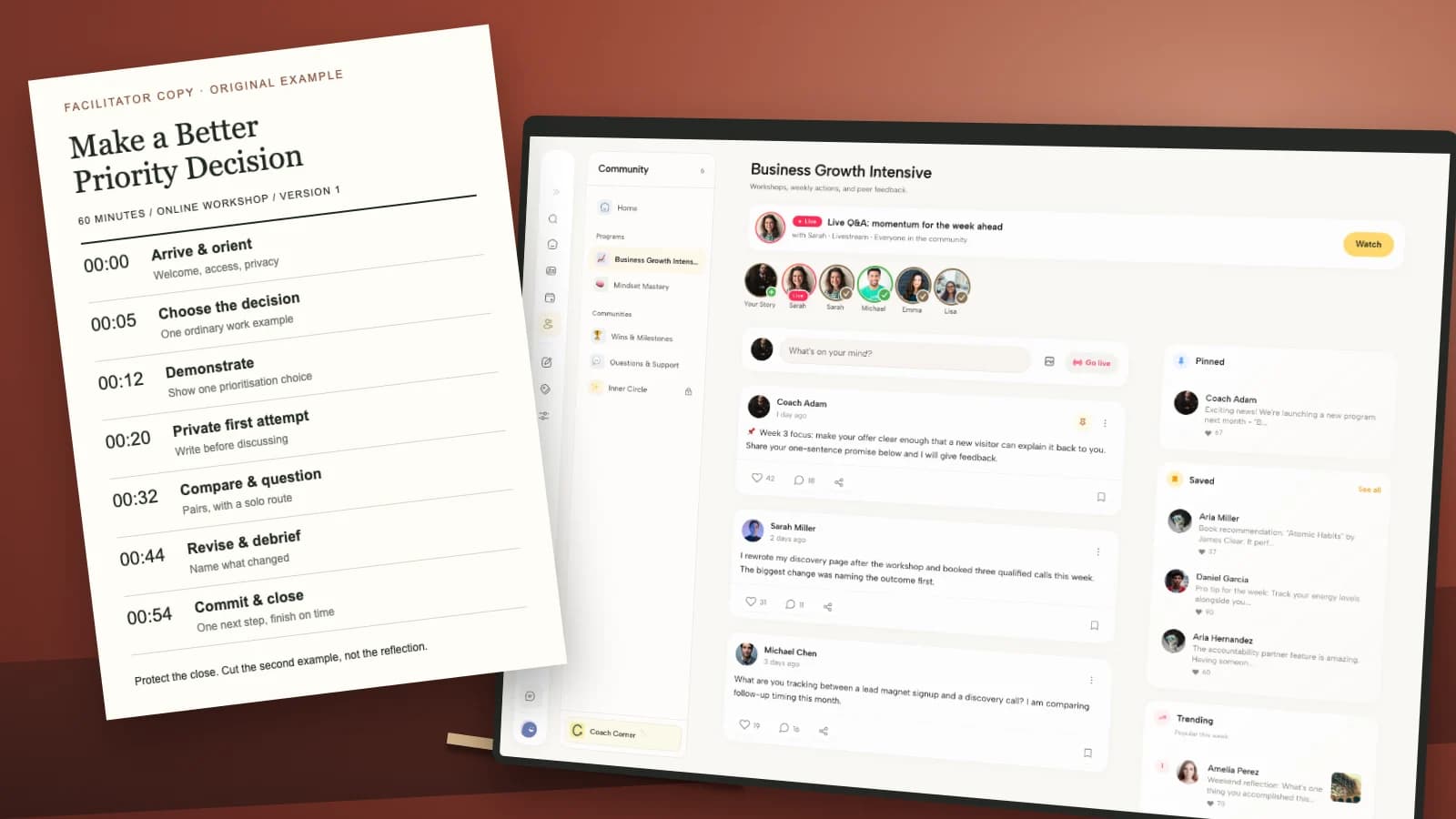
A complete 60-minute workshop run of show
Hypothetical workshop: “Make a Better Priority Decision,” for professionals facing ordinary competing work commitments. Participants can use the supplied fictional case instead of a real situation. This is a coaching and reflection exercise, not employment-law advice, a clinical intervention or an assessment of employee performance.
The seven blocks below total 60 minutes. Leave the schedule visible to the facilitator, but give participants a simpler agenda. Do not display private delivery notes, individual access requests or your list of possible problems on the shared screen.

00:00 to 00:05: arrive and orient
Owner: lead coach. Welcome participants, explain the intended output and identify the materials and help route. State any relevant recording arrangement, participation choices and confidentiality limits. Avoid promising that group confidentiality can be guaranteed by you alone.
Instruction: “Today you will work through one priority decision. Use an ordinary work example or our fictional case. You can keep your notes private and pass on sharing. Please tell us through [agreed route] if you cannot access the materials.”
Fallback: if people arrive late, give them a short written orientation rather than repeatedly restarting. The co-host, if there is one, handles access questions while you continue. Do not penalize someone for a genuine access barrier by excluding them from the activity.
00:05 to 00:12: choose one decision
Owner: lead coach. Ask participants to name two commitments competing for the same time or resources. The fictional case is a report due tomorrow and a newly requested presentation with no stated deadline. Keep the case neutral enough to discuss without revealing employer information.
Instruction: “Write the two commitments, what you know about each deadline, and one thing you still need to clarify. Do not decide which person is being unreasonable. Start with the information you have.”
Check and fallback: invite an optional question about the task. If participants list many competing demands, ask them to choose just two. If no usable personal example comes to mind, direct them to the fictional case without making them explain why.
00:12 to 00:20: demonstrate the reasoning
Owner: lead coach. Model a short distinction between a known deadline and an assumed priority. For the fictional case: “The report is due tomorrow. I do not yet know when the presentation is needed. I need to ask before treating both as equally urgent.”
Instruction: “Notice which facts the example uses and which question remains open. You are borrowing the process, not a sentence you must repeat.” Let participants identify one missing piece of information.
Fallback: keep one demonstration, not three. If the discussion expands into organizational politics, acknowledge the constraint and return to what information the participant can realistically seek. Better wording cannot remove an unsafe workplace or an impossible workload.

00:20 to 00:32: make a private first attempt
Owner: lead coach, with the co-host monitoring the agreed help route. Give participants time to draft a question or next action based on their chosen decision. Read the instruction aloud and provide it in text so understanding does not depend on catching one spoken sentence.
Instruction: “Write the competing commitments, the constraint, and the question that would help you decide what moves. A few sentences are enough. Keep names and confidential details out. Use your own wording.”
Check and fallback: ask whether anyone needs the instruction clarified before the writing period starts. If the worksheet will not open, offer the same prompt in chat or invite private notes. Do not spend the whole practice block repairing a decorative file.
00:32 to 00:44: compare and question
Owner: lead coach. Offer pairs only if the meeting setup and group agreement support them. Otherwise, use voluntary whole-group examples or individual review. A run sheet should describe the format you can deliver, not a feature you hope exists.
Instruction: “Read your draft if you want to. Your partner identifies the decision they heard and asks one clarifying question. They are not choosing your priority or evaluating your personality.” Provide a solo alternative: underline the actual question and identify one assumption yourself.
Fallback: if pairing is slow or technically unavailable, switch to the announced solo route. If the group is large, do not promise everyone individual feedback. Limit public examples and protect the revision block.

00:44 to 00:54: revise and debrief
Owner: lead coach. End the comparison at the planned boundary and ask participants to make one deliberate revision. Invite them to distinguish what they learned from what they still do not know.
Instruction: “Write your next version. Name one thing you changed and why. If the real obstacle is a missing resource, authority or safety, name that rather than treating the issue as a communication flaw.”
Fallback: if the earlier activity overran, shorten public sharing. Do not remove all private revision time. Participants need a chance to use the information, not just hear a lively discussion about it.
00:54 to 01:00: choose the next step and close
Owner: lead coach. Ask participants to choose one proportionate next action and a review point. Confirm where to find the agreed materials and any accurately stated access deadline. Separate any optional commercial invitation from the completed workshop promise.
Instruction: “What is one next step you can reasonably take, what needs checking first, and when will you review what happened? You can decide not to act on a particular conversation if it would be unsafe or inappropriate.”
Fallback: when only a few minutes remain, cut the final round-robin, not the action prompt and practical closing information. Finish at the time participants were asked to protect. Offer a clear way to raise an unresolved practical question.

Write the contingency decisions before you need them
A fallback is not “be flexible.” It is a choice you can execute. Beside the relevant block, name the trigger and the response. You can change that decision in the room, but you should not have to invent every option while facilitating.
- Five minutes behind: remove the second public example and keep the private attempt, revision and closing instructions.
- Material link fails: provide the essential prompt in live text and let people work in their own notes.
- No one volunteers: give thinking time, use the fictional case or move to private review. Do not demand disclosure.
- A participant becomes distressed: pause appropriately and follow your agreed support process. Do not turn their experience into a group teaching opportunity.
- The lead loses connection: the authorized co-host gives the agreed holding instruction. Without a co-host, use the backup communication route participants were told about.
These are starting decisions, not a complete risk policy. Match the safeguards to the audience, venue, topic and your competence. A coaching workshop about ordinary work priorities requires different preparation from a program involving vulnerable participants or sensitive health experiences.
Rehearse the participant route, not just your explanation
Open the exact links and materials using the access a participant will have. The editor view is not the participant experience. Check how someone finds the workshop, opens the relevant resource and returns to the activity after following a link.

Read every instruction aloud while performing the task yourself. Include the transition, not just the writing time: opening a file, finding a page and understanding the output all consume time. Ask a colleague to follow one block without extra explanation. Revise the document if they cannot tell what to do next.
A technical rehearsal is useful too, but it is a separate job. Our webinar dry run checklist covers that preflight. The run of show remains the operational guide you use once participants are in the session.

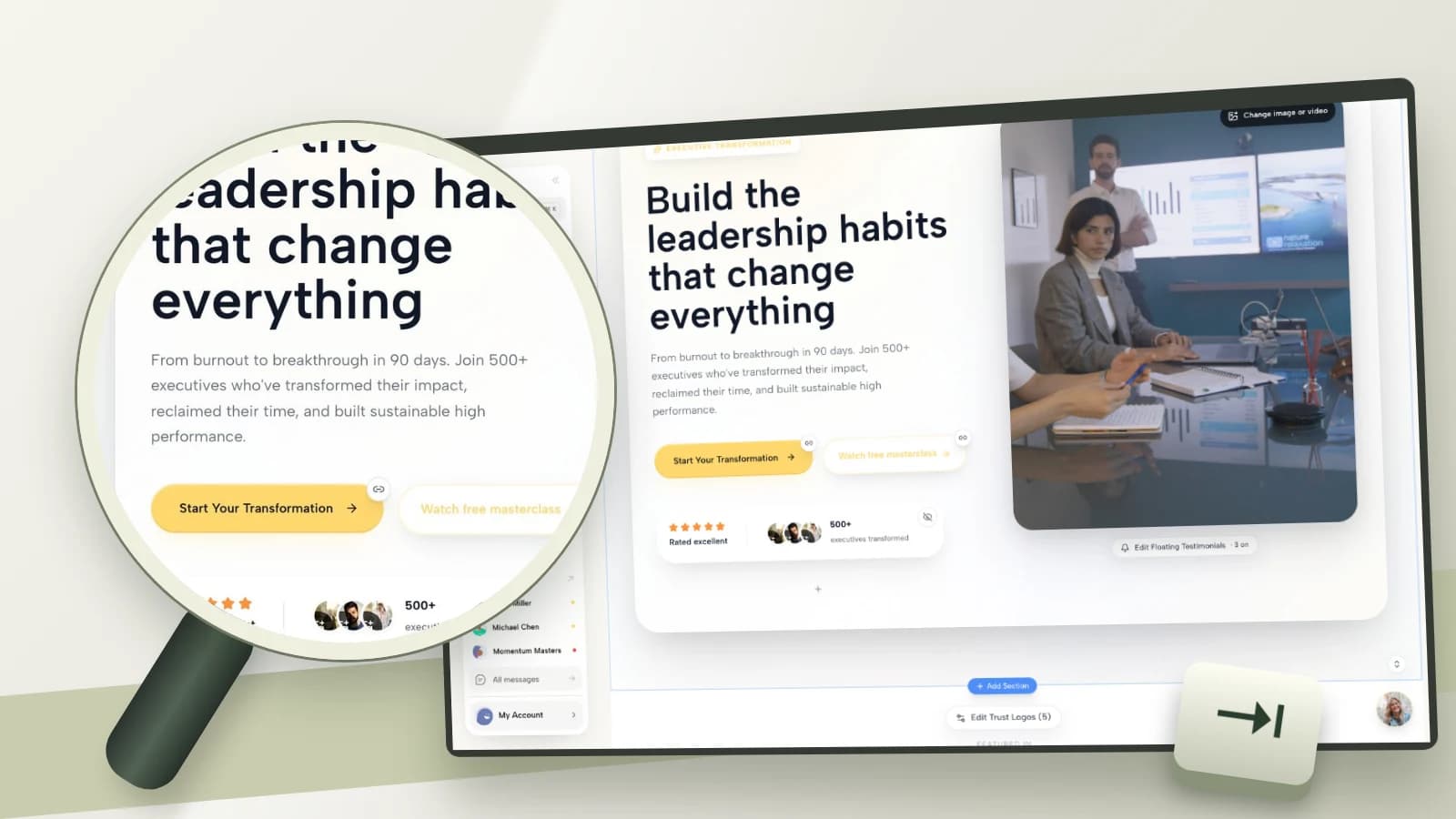
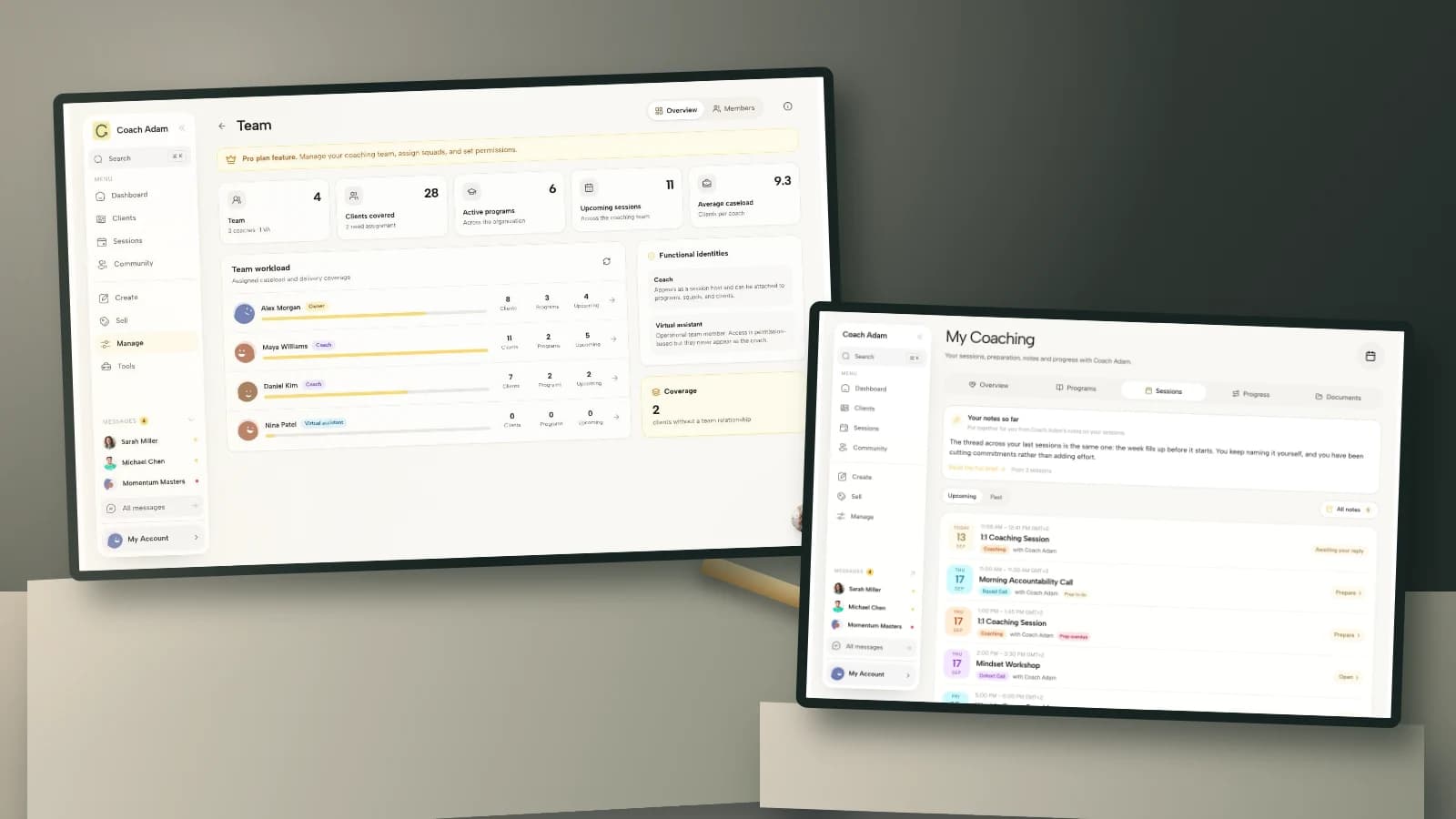
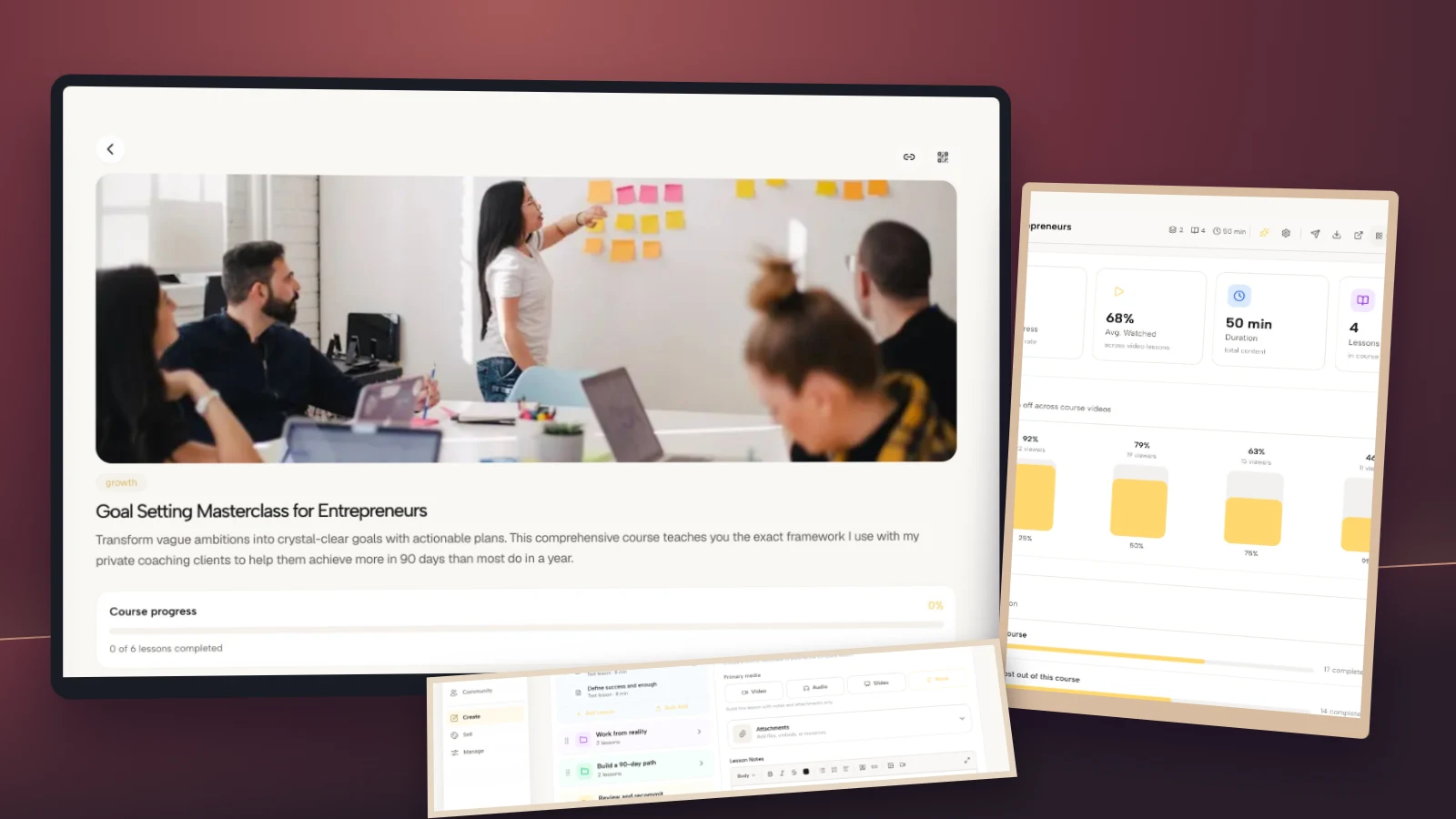
Coachful's demo surfaces here illustrate programs, team visibility, lessons, communication and the client experience. They do not demonstrate a native run-of-show builder, a timer, automatic room assignments or the sample workshop already installed. Keep your delivery sheet in an appropriate format and verify the actual functions you need.
What to review after the workshop
Annotate the run sheet while the experience is fresh. Record which block started late, which instruction needed repeating and which fallback you used. Distinguish a planning problem from a one-off interruption. Keep the notes about delivery rather than unnecessary personal details about participants.
Ask whether the intended attempt and revision actually happened. Finishing every slide is not the same as delivering the promised work. If your schedule repeatedly loses the practice block, remove material or narrow the workshop promise before adding more urgency to your delivery.
Save a new version with the changes and date. Retain enough context for a co-facilitator to understand why a block changed. Do not let several unlabeled “final” copies become the next workshop's hidden scheduling problem.
Frequently asked questions
How detailed should a workshop run of show be?
Detailed enough that the next action, owner and fallback are clear. Script the opening, complex instructions, important boundaries and handoffs. You do not need to script every coaching question or predict every participant response.
Should participants receive the run sheet?
Usually they need the simpler agenda, materials and participation instructions. Keep private contingencies and staff notes separate. Never include sensitive access information in a document distributed to the whole group.
Can I use the same run of show for every cohort?
Use a reviewed baseline, then check the audience, access needs, delivery team, links and timing for each run. Reuse should preserve useful decisions, not preserve errors. Test the current materials even when the workshop title has not changed.
What should I do if the workshop runs over?
Use the cuts you planned, state the transition clearly and protect the agreed close. If an essential activity no longer fits, acknowledge that rather than pretending it was completed. Agree any appropriate follow-up without assuming participants can stay indefinitely.
Build the delivery sheet before adding another slide
Start with one workshop. Write its promised output, the seven blocks, each owner and the first fallback you would use. Rehearse the two most awkward transitions. That is more useful than adding a polished introduction to a session with no time left for practice.
If you are choosing where participants will find the surrounding program, lessons and communication, try the interactive Coachful demo. Inspect the staff and client views together, using the run sheet to ask what participants need at each step. Test the exact route before promising it to your next group.
Visuals: real Coachful demo screenshots, original screenshot compositions and an illustrative run sheet. The sample workshop and schedule are original teaching examples, not client records or a prebuilt Coachful template.