Lunch and Learn for Coaches: 5 Topics and a 45-Minute Plan

Coachful
Editorial Team
Can a lunchtime session lead to paid corporate coaching work without becoming an awkward sales pitch? Yes, but sell a useful, bounded learning experience first. A strong lunch and learn gives employees one workplace skill to practise, finishes when promised and leaves the employer with a sensible next decision.
For coaches, the safest starting point is a 45-minute session with one demonstration, one private exercise and optional discussion. Do not squeeze a complete coaching program into a lunch break, ask employees to disclose sensitive problems in front of colleagues or treat the registration list as permission to market to everyone.
Below are five topics you can adapt, an exact agenda and copyable sponsor and invitation templates. All named scenarios, timings and sample wording are original hypothetical examples, not Coachful customer results or a tested formula for winning contracts.
What is a lunch and learn?
A lunch and learn is a short workplace learning event held around the lunch period. It can be in person or online. An employer, association or professional community might invite an outside coach to teach a specific idea and facilitate a small amount of application.
The format exists in real coaching practices: Coach Moshiur describes leadership lunch-and-learn sessions, while Great Day Business Coaching distinguishes short lunch-and-learns from longer workshops. These are examples of how providers package the format, not evidence of an average fee or a guaranteed commercial return.
Make the service distinction explicit. Teaching a communication framework to a room is educational facilitation. It does not automatically create individual coaching relationships with everyone attending. If you include coaching, explain the participation agreement, confidentiality limits and what the employer will receive.
Also ask whether the time is genuinely available. A session that consumes an employee's only protected break may be a poor design even when the sponsor loves it. Have the employer check working-time, accessibility and participation requirements under its own policies and applicable law.
5 lunch-and-learn topics coaches can offer
Choose a topic using three filters: it matches your competence, the sponsor recognizes the workplace problem, and participants can attempt something useful without revealing private information. The five options below are selected for those reasons, not because they are proven to sell best.
1. How to ask which priority comes first
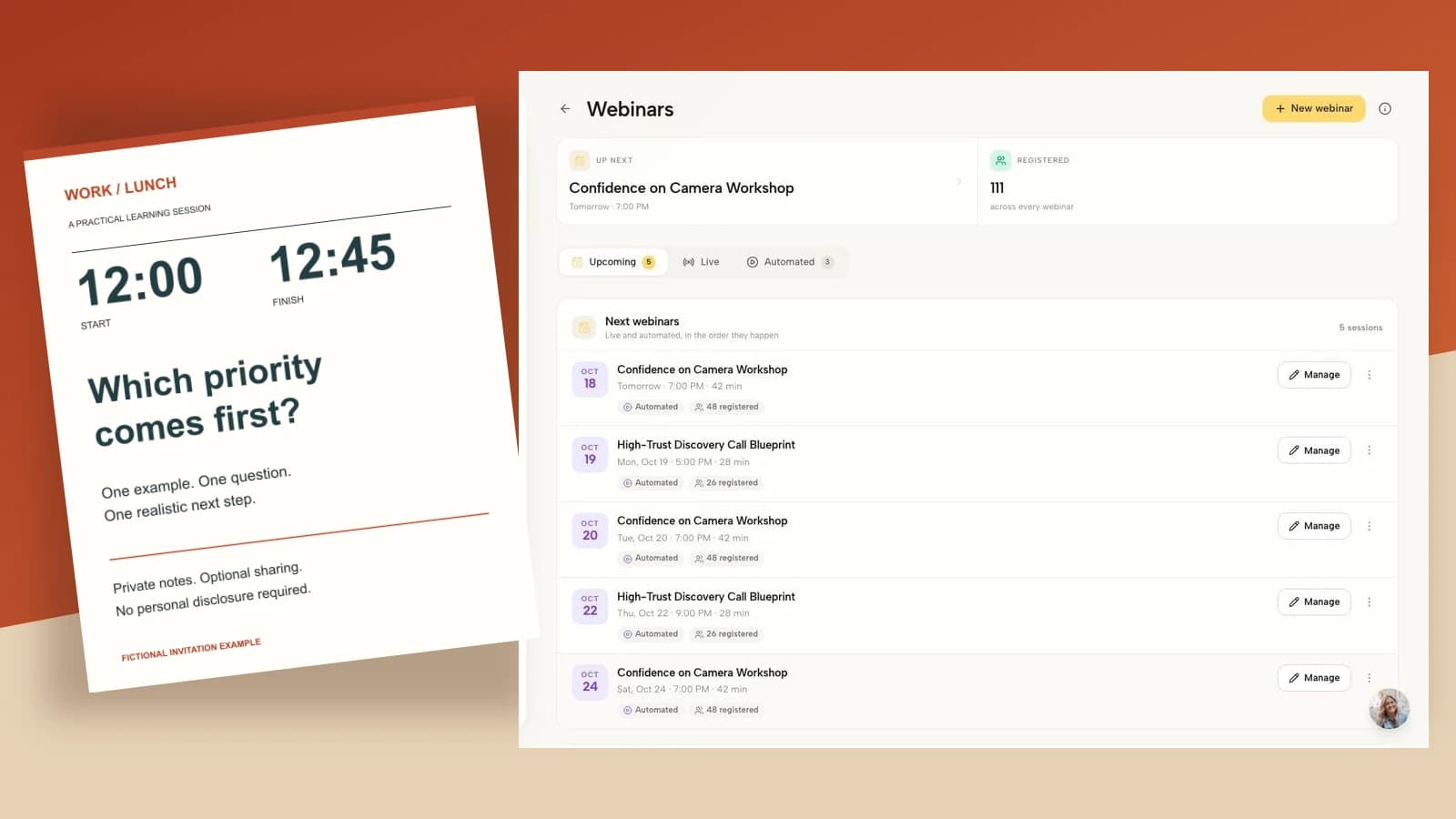
Best for: teams receiving competing requests. The takeaway is a short clarification question, not a promise to fix organizational overload. Use a fictional case: a report is due tomorrow and a presentation has just been requested without a deadline.
Demonstrate a question such as, “I can complete the report by tomorrow or prepare the presentation first. Which should take priority, and what can move?” Invite participants to draft their own version privately. Discuss how power, workload and workplace safety can affect whether that question is realistic.
Trade-off: the topic feels practical across many roles, but managers must not use it to shift responsibility for impossible workloads onto employees. If the sponsor wants a productivity fix without examining capacity, clarify that limit before accepting the work.
2. A clearer delegation brief
Best for: first-time managers. Teach a small brief with four inputs: the intended output, relevant boundaries, available authority and the point for checking progress. Use an ordinary task, such as preparing a meeting summary, rather than a sensitive performance case.
Ask participants to rewrite a vague request: “Can you sort this out?” A useful attempt might identify what the summary should contain, when it is needed, who can answer questions and which decisions need approval. The employee still needs resources and genuine authority, not simply better instructions.
Trade-off: managers can leave with a usable draft, but a single lunchtime exercise will not resolve persistent control, understaffing or unclear organizational accountability.

3. Feedback about observable work
Best for: managers or peers who avoid ordinary work conversations. Demonstrate the difference between a character judgment and a description someone can examine. Replace “You are unreliable” with a specific account of what was expected, what happened and a question about the gap.
Give everyone the same fictional example. Invite them to draft an opening sentence and a genuine question, then check whether they included an assumption disguised as a fact. Participation can stay private; nobody needs to perform an actual dispute in front of colleagues.
Trade-off: this is useful communication practice, not a substitute for a formal performance, grievance or safeguarding process. Confirm that the sponsor is not using your session to handle a live complaint indirectly.
4. Turn a career goal into a development conversation
Best for: employees preparing for an ordinary development review. Ask participants to name a skill they want to develop, one relevant work example and a question they could ask their manager about an appropriate opportunity.
A fictional participant might want more experience presenting recommendations. Their next step could be asking to explain one section of a team update, with appropriate support. Keep the promise at the level of a better-prepared conversation, not a promotion or access to opportunities the employer cannot offer.
Trade-off: a career coach can demonstrate useful preparation, but the employer should not expect a report identifying who plans to leave. Make private career intentions out of scope.
5. End a meeting with an explicit next step
Best for: teams whose discussions end without an agreed action. Teach participants to distinguish a decision, an open question and an assigned next step. Use a fictional project discussion and ask them to draft a short closing summary.
The output might be: “We agreed to test the shorter briefing. Morgan will prepare the first version by Thursday. We still need finance to confirm the reporting requirement.” Participants can examine whether ownership, timing and unresolved questions are actually clear.
Trade-off: this is easy to demonstrate without personal disclosure, but it will not fix a meeting where nobody has decision authority. That constraint belongs in the sponsor conversation.
Agree the employer brief before building slides
Start with the buyer's situation, not your full catalog. “We want something on resilience” is too broad to design responsibly. Ask which ordinary work situation people should be better equipped to handle and what a modest, observable attempt would look like.
Use this short sponsor brief:
- Audience: roles, approximate headcount and relevant prior knowledge.
- Workplace situation: the specific task or conversation the session addresses.
- Participant output: one draft, decision, question or practice attempt.
- Format: remote or in person, exact start and finish, arrival and food arrangements.
- Access: materials format, captions or other arrangements, and a private contact route.
- Boundaries: voluntary sharing, recording decision and any confidentiality limits.
- Employer feedback: what you will report, to whom and when.
- Commercial scope: preparation, delivery, follow-up, rights and payment terms.

If the sponsor asks you to diagnose individual employees, identify “resistant” staff or disclose private exercise responses, renegotiate the brief. Attendance, broad questions about the material and an agreed aggregate feedback summary are different from an assessment of named employees.
For coaches working under the ICF framework, consult our guide to the ICF Code of Ethics when agreeing roles, confidentiality and relationships with sponsors. This article is planning guidance, not a substitute for the obligations of your credential, profession or jurisdiction.
A 45-minute lunch-and-learn agenda
This example assumes the employer has arranged food and access before the teaching begins. If people need ten minutes to collect lunch, book a longer calendar window or reduce the content explicitly. Do not quietly borrow the closing minutes from employees' next meetings.

- Minutes 0–5: settle and orient. Explain the one learning aim, where the material is and how people can participate privately. State any recording arrangement.
- Minutes 5–12: demonstrate one idea. Show a fictional before-and-after example. Ask a short comprehension question instead of adding another framework.
- Minutes 12–22: private application. Let participants draft one response using the case or an ordinary work example. Supply the prompt in accessible text as well as speaking it.
- Minutes 22–32: optional comparison. Invite questions or voluntary observations. Offer solo review instead of making everyone share with a colleague.
- Minutes 32–40: bounded questions. Answer questions about the method. Redirect individual employment, health or legal issues to the appropriate route rather than improvising advice.
- Minutes 40–45: choose and close. Ask people to identify one realistic next action, point to the agreed resource and finish on time.
The blocks total 45 minutes. They are an authored planning choice, not a research-backed optimum. If a discussion expands, shorten your commentary before removing the participant's attempt or the closing explanation.
For a remote session, test the actual meeting link and materials on the employer's equipment. Do not assume staff can use an external platform, download a file or enter a breakout room. The employer may require its approved meeting tool. A hosted-event screen does not establish compliance with that policy.

Invite people with a useful promise, not a grand transformation
The invitation should tell an employee whether this is relevant, what they will do, whether they need to prepare and how participation works. The employer may distribute it through its own calendar or internal communications. You do not need possession of the employee mailing list to deliver a good event.
Subject: Lunch and learn: ask a clearer priority question
Join a 45-minute practical session on handling two competing work requests. We will work through a fictional example, draft one clarification question and discuss where the approach helps or has limits.
No preparation or personal disclosure is required. You can keep your notes private and pass on sharing. This is a learning session, not an employee assessment.
Date and time: [date, start, finish and time zone]. Location or meeting link: [approved details]. Lunch arrangements: [details]. For access questions or an alternative materials format, contact [private route].

Replace every bracket before distribution. If attendance is mandatory, say so accurately instead of claiming it is optional. If it is recorded, explain the arrangement in advance and agree a participation alternative where needed. Do not imply that a group can guarantee confidentiality merely because the invitation asks for it.

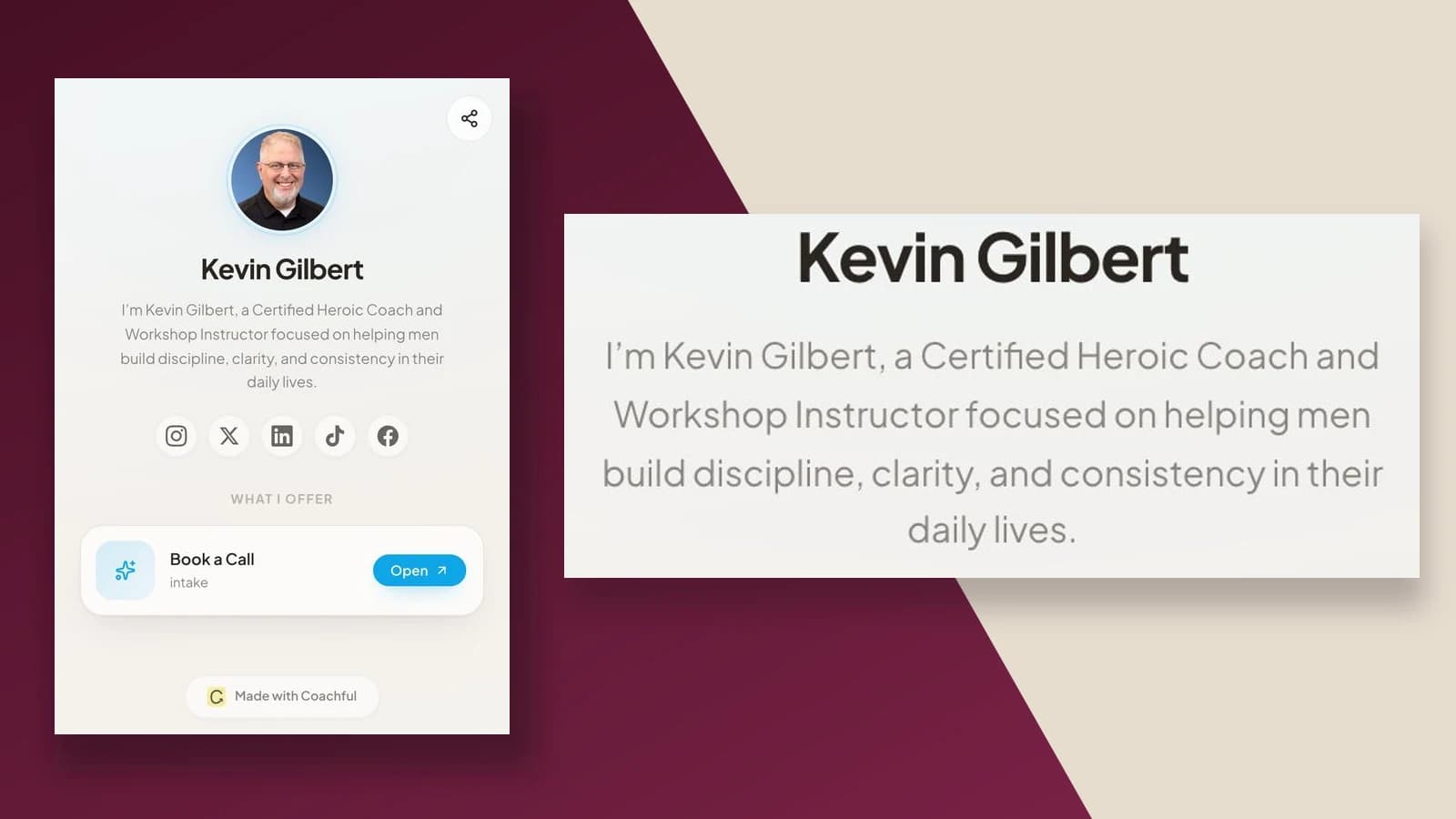
Keep a public workshop page consistent with the internal invitation. A generic coaching biography is not enough for an HR buyer deciding whether the session fits. Name the audience, task, format and scope, while keeping internal dates, employee information and employer-only links out of public pages.
Price the whole engagement, not only the lunch hour
A short event can still require a sponsor call, adaptation, accessible materials, technology checks, delivery and a debrief. Estimate those tasks before deciding whether to charge, offer an established introduction at no fee or decline.
A no-fee session can be an intentional marketing choice when the scope is small and the audience is relevant. It is not automatically worthwhile because a recognizable employer is involved. Specify what is included, whether a recording is allowed and whether any follow-up is expected.
For paid engagements, quote a defined company scope rather than implying a universal lunch-and-learn rate. Our guide to pricing a corporate coaching workshop explains the internal cost calculation. This article's decision is narrower: can the promised outcome honestly fit the lunch-hour format?

A sponsor asking for a repeat, another department or indefinite access to a recording is asking about additional scope. Agree the commercial and usage terms before including them. More attendees do not automatically mean you can preserve the same depth of discussion.
Follow up without turning employees into an unapproved mailing list
Send the agreed resource through the employer's approved route. A useful message restates the method, links the material and invites a private question through the stated channel. Do not include stories about named participants or summarize personal disclosures in the sponsor email.
Separate delivery from marketing. Registration for an employer event does not by itself settle whether you may add attendees to a newsletter or promote private coaching. Apply the relevant privacy and electronic-marketing rules, your agreement with the employer and the permissions actually obtained. When uncertain, use the sponsor route and obtain appropriate advice.

Then ask the buyer three practical questions: Did the session address the agreed situation? Could participants attempt the task? Is there a specific need for further work? A positive satisfaction score alone does not prove changed behavior or return on investment.
A natural next offer might be another session on a different task, a longer practice workshop or a separately contracted coaching engagement. Explain what changes in depth and scope. Avoid telling the employer that a lunchtime introduction has revealed who “needs coaching.”
What should you do first?
Choose one of the five topics, draft a one-sentence participant output and ask a relevant employer contact whether that situation is worth addressing. Build the short brief before creating a new deck. If you cannot describe the task without promising a transformation, make the session smaller.
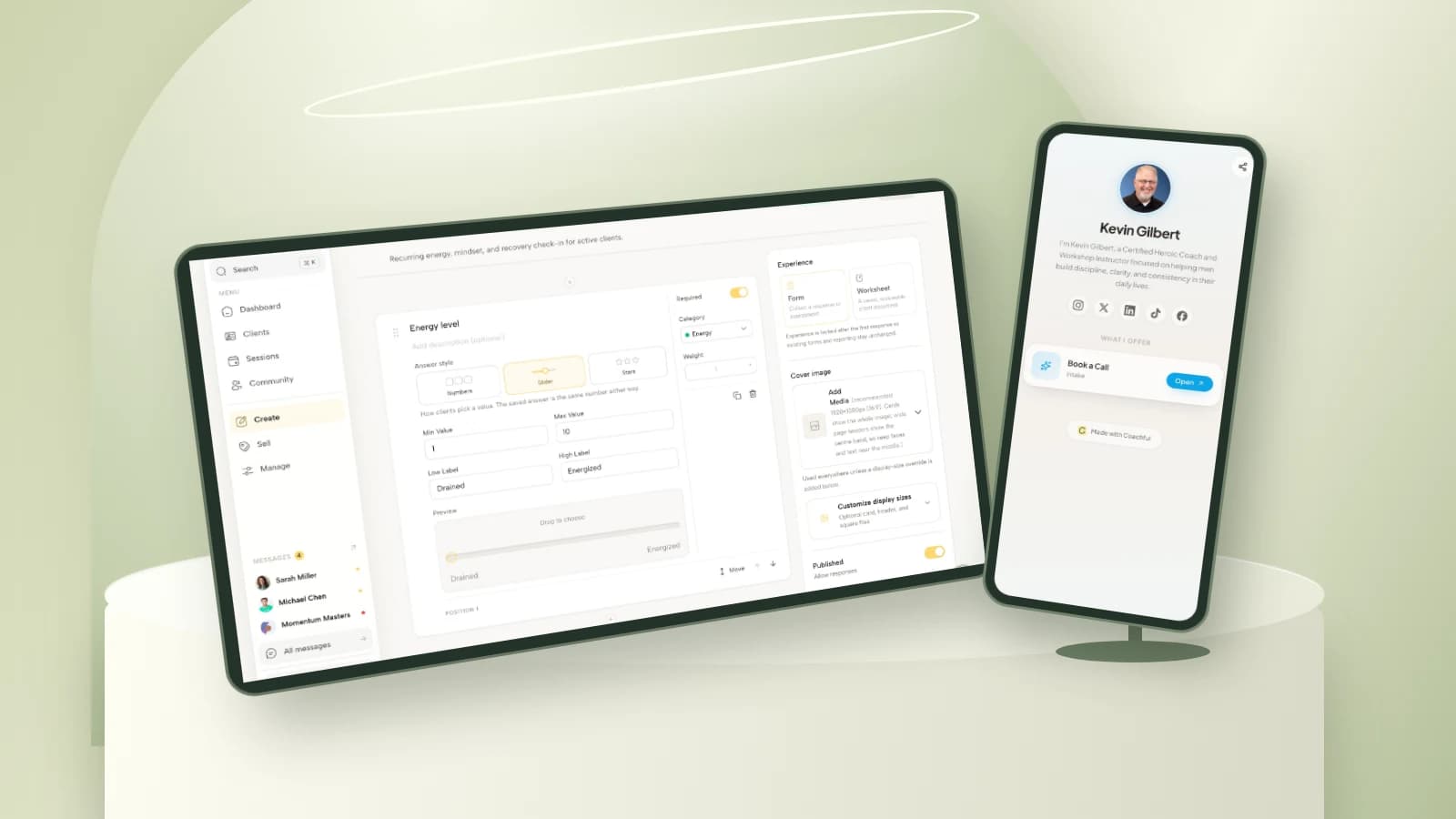
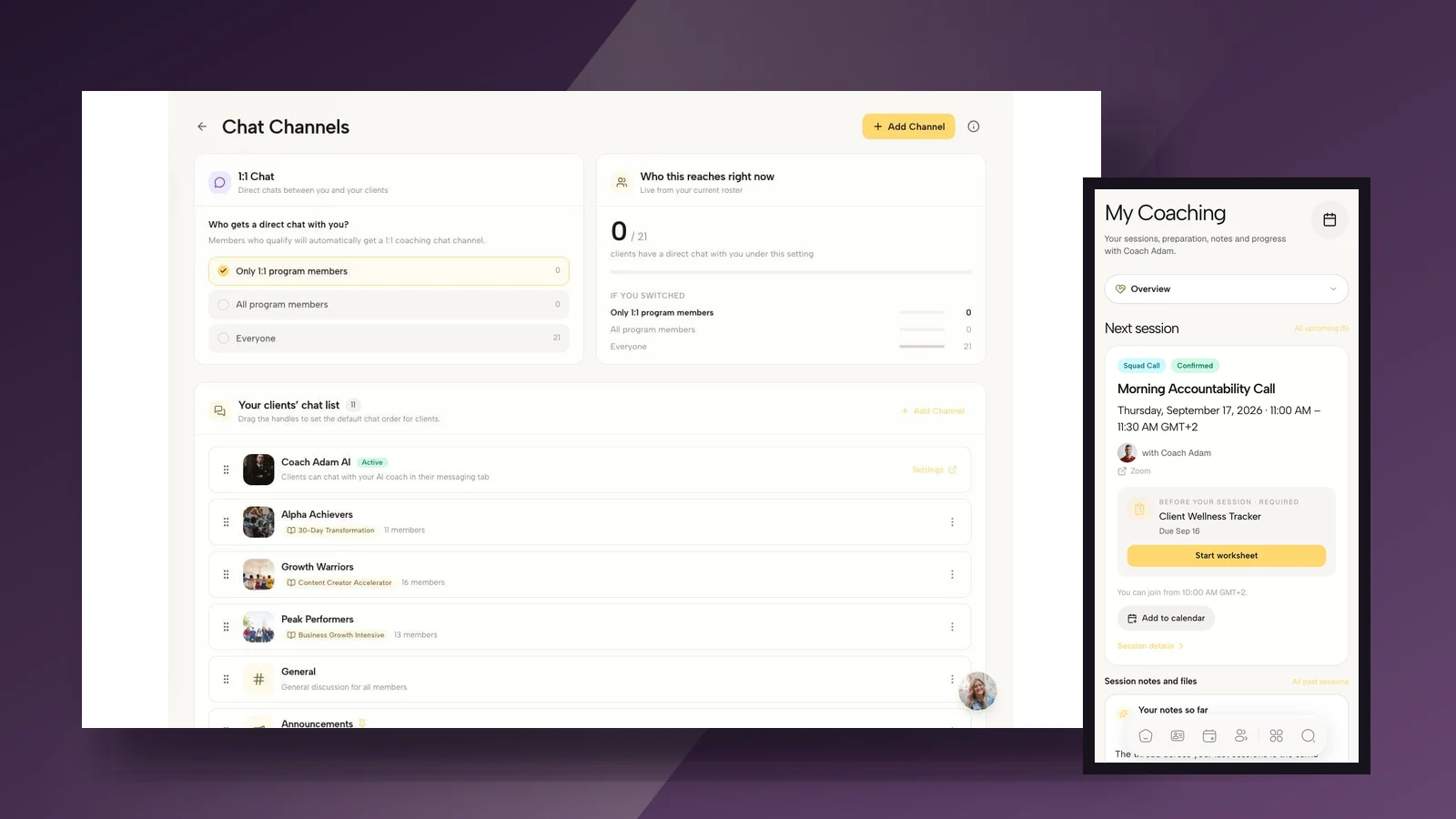
Once the scope is clear, the operational test is whether your workshop information, registration questions, event details and follow-up agree. You can try the interactive Coachful demo to inspect the website, forms, webinar and email surfaces shown here. The demo is a way to evaluate those steps, not a promise of employer approval, automatic consent handling or corporate sales.
Frequently asked questions
Should a coach offer a free lunch and learn?
Only as a deliberate, bounded choice. Consider preparation, audience relevance, travel, reuse rights and follow-up obligations. A free session is not an agreement to deliver unlimited customization, and a potential future contract is not payment.
Can a lunch and learn include group coaching?
It can include appropriate coaching questions, but do not blur education and a coaching engagement. Agree the format, participation choices, confidentiality limits and sponsor reporting. A fictional case and private exercise often fit a workplace introduction better than public personal coaching.
Should I record it?
Not by default. Agree whether recording is necessary, what is captured, who can access it, how long it is available and what permissions are needed. A recording also changes reuse rights and can inhibit participation. A written resource may meet the employer's need more simply.
How do I know the session worked?
Look first for evidence appropriate to the promise: people understood the method and could make a usable attempt. Agree any later follow-up with the sponsor. Do not attribute performance improvements, retention or revenue to one lunchtime session without an appropriate evaluation design.