10 Key Types of Life Coaching to Master in 2026

Coachful
Which coach will you become, and can that choice support both your clients and your own business?
That question carries more weight than many "types of life coaching" roundups admit. A list of niches is easy to publish. Living with the choice is harder. New coaches usually ask quieter questions beneath the obvious one: Who will pay for this? What problems can I solve well enough to charge with confidence? If I choose a niche now, will I regret it six months from now?
The coaching field has shifted from broad, loosely defined life coaching into specialties built around clearer client problems and clearer outcomes. Much of that work now happens online, which gives coaches more reach but also more competition. Specialization helps you stand out in that market. It also helps prospects understand why they should trust you.
I have seen coaches delay this decision for months because they assume a niche is a permanent label. It is not. It is a business decision about who you serve best right now, what results you can credibly support, and what kind of work you want to do every week.
That is the true test.
If a specialty fits your strengths but drains you, it will be hard to sustain. If it feels meaningful but no one pays for it, you do not have a business yet. If clients love your help but you keep working outside your scope, you will feel the strain quickly.
So do not ask only, "What do I like?" Ask four better questions. Who are my clients? What problem keeps showing up in their lives? What will they pay to fix? Am I equipped, right now, to coach this well and ethically?
Coachful can help turn those answers into an actual practice instead of a loose idea. Each niche in this guide includes the practical side too: session delivery, client management, packages, and the kind of coaching workflow that makes your work easier to run.
These are 10 coaching paths worth considering, with the trade-offs, pricing logic, client psychology, and operational realities attached to each one.
1. Executive & Leadership Coaching
Executive coaching looks glamorous from the outside. Inside the work, it's often about isolation, pressure, and consequences.
Your clients are usually leaders who can't think out loud in many places. A newly promoted director may need help delegating without micromanaging. A founder turned CEO may need to stop being the smartest operator in the room and become the calmest decision-maker. A senior leader joining a new company may need support reading political dynamics before making visible changes.
Examples are everywhere. Boards often bring in coaches for CEO onboarding. Large companies build internal leadership programs. Google's internal coaching culture and Microsoft's leadership development efforts reflect the same truth: high performers still need a place to process behavior, communication, and judgment.
What works in this niche
If you want to coach leaders, don't market yourself as a motivation partner. Speak to business pain. Missed alignment. Team friction. Difficult feedback. Succession anxiety. Decision fatigue.
Use a structure like this:
- Leadership context: What changed in the client's role, team, or expectations?
- Behavior under pressure: What do they do when stakes rise?
- Visible consequence: Where does that behavior show up in meetings, talent retention, or execution?
Coachful fits well here because corporate buyers usually want more than inspiring sessions. They want a clean workflow for scheduling, goal tracking, notes, and visible progress across a coaching engagement.
Practical rule: Executive clients rarely pay for “clarity.” They pay to lead better in situations where poor judgment is expensive.
The doubt many newer coaches feel is legitimate: am I senior enough to coach senior leaders? Sometimes yes, sometimes no. If you haven't led teams, built organizations, or worked close to power, this niche can expose you fast. You don't need a perfect résumé, but you do need enough maturity to challenge a powerful client without trying to impress them.
2. Career Transition & Job Search Coaching

Career coaching is one of the most practical types of life coaching because clients usually arrive with an urgent, concrete problem. They need a job, a pivot, a promotion, or a credible new story about themselves.
That urgency makes this niche easier to sell, but harder to deliver well. Clients don't just need encouragement. They need sequence. First clarify target roles. Then identify transferable strengths. Then rebuild materials, practice interviews, tighten outreach, and manage rejection without losing momentum.
A client might say, “I want to leave operations and move into project management.” What they're often really asking is, “Can I become someone employers will believe in?” That's why good career coaching blends strategy and identity work.
The client problems underneath the résumé
Career clients commonly struggle with three layers at once:
- Surface problem: résumé, LinkedIn, networking, interview performance
- Deeper problem: confusion about fit, fear of starting over, loss of confidence
- Hidden problem: shame about being behind, underpaid, overlooked, or replaceable
If you coach here, create assets. Templates, mock interview frameworks, follow-up scripts, decision scorecards, and transition plans all increase your value.
For clients changing industries, it's often useful to help them identify essential skills for a new career so they stop underselling experience that doesn't look obvious on paper.
A strong operating rhythm is simple: one strategic session each week, supported by messaging between sessions for application reviews, accountability, and emotional steadiness. Coachful's messaging and milestone features are useful here because career clients need help in the gaps between meetings, not only during them.
This niche suits coaches who like measurable progress and can balance empathy with directness. If you hate editing language, reviewing positioning, or talking about market realities, choose another lane.
3. Health & Wellness Coaching
Health and wellness coaching attracts many new coaches because the work feels meaningful and visible. It is meaningful. It also requires discipline around scope.
Clients come to this niche wanting a healthier life, but their stated goal is rarely the whole story. “I want to lose weight” may mean “I don't trust myself anymore.” “I need better sleep” may mean “my stress is wrecking everything.” “I know what to do, I just don't do it” usually means the underlying issue is consistency, emotion, environment, or self-sabotage.
A practical overview of what is health and wellness coaching helps clarify the role. You're not diagnosing, prescribing, or treating. You're helping clients turn intention into repeatable behavior.
Here's the visual world many clients are trying to create:
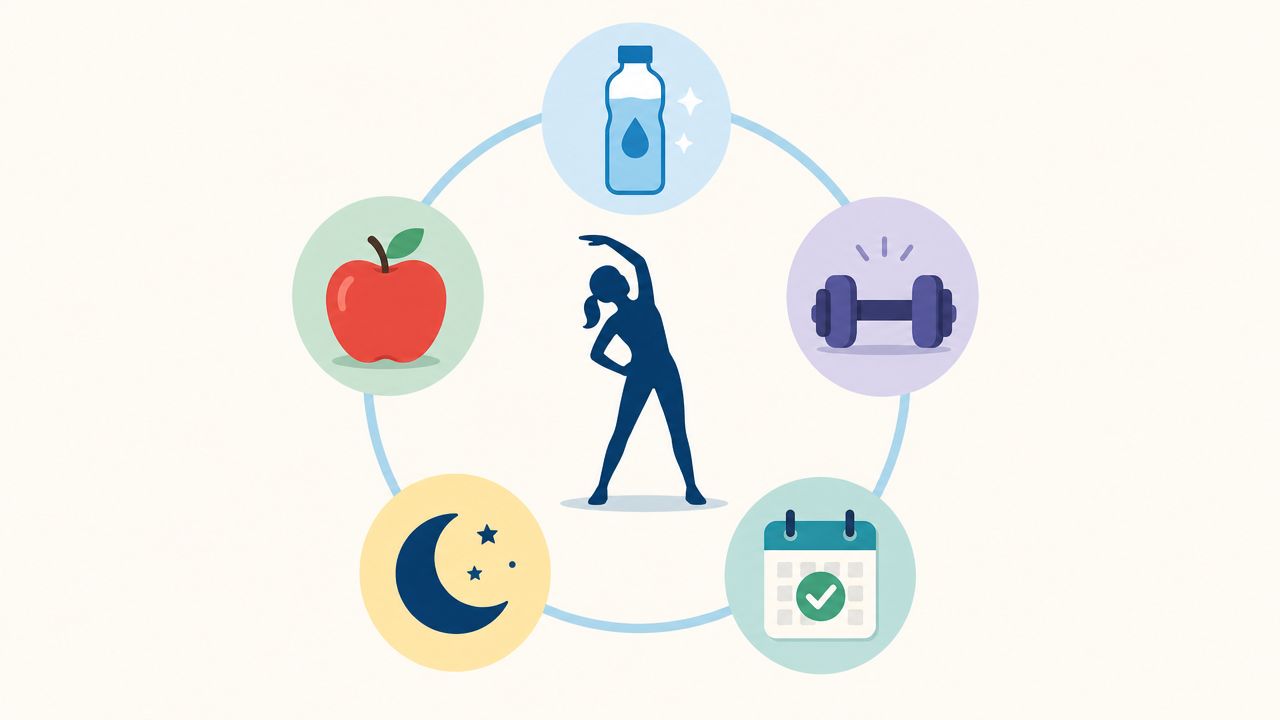
What good wellness coaching actually looks like
The best coaches in this niche don't overwhelm clients with information. They narrow the field and make change doable.
A few examples:
- Busy professional: build a sleep routine, reduce evening screen drift, set a consistent wind-down cue
- New parent: lower the standard from “perfect routine” to “minimum viable self-care”
- Client restarting fitness: track attendance and recovery, not aesthetics
In the U.S. market, virtual delivery held a 51.02% revenue share in 2024 according to Grand View Research on the U.S. life coaching market. That's highly relevant here because wellness coaching often works best with frequent remote check-ins, habit tracking, and short accountability touchpoints between sessions.
Most wellness clients don't fail because they lack knowledge. They fail because their routines keep losing to their real lives.
Coachful demonstrates its operational usefulness. It allows tracking of habits, milestones, notes, and messages in one place, which is better than scattering client momentum across text threads, documents, and calendars.
A quick example of the kind of guidance clients often need in this niche:
If you're drawn to this specialty, be honest about your temperament. You need patience, respect for scope, and comfort with slow wins. Clients often improve by inches before they improve by miles.
4. Entrepreneurship & Business Growth Coaching
This niche attracts two kinds of coaches. People who've built something real, and people who like the idea of entrepreneurship more than the mechanics of it.
Clients can tell the difference quickly.
Founders don't need abstract inspiration. They need help making decisions under uncertainty. One client may be pre-launch and frozen by offer design. Another may have demand but weak systems. Another may be hiring too fast, selling too vaguely, or trying to fix a margin problem with more marketing.
Where business coaching earns trust
The phrase “business coach” is broad, so your credibility comes from specificity. You might coach service businesses, consultants, creators, local firms, agency owners, or early-stage founders. Narrowing that scope often makes your practice stronger.
Strong examples include accelerator-style startup coaching, SCORE mentoring, and peer-based entrepreneur communities. Those models work because founders learn best when strategy, accountability, and context come together.
If this is your path, spend time understanding business coaching from both the client and delivery side. Then build a method. Maybe it's a sales pipeline review, an offer audit, a weekly operating cadence, or a founder decision framework.
- What works: clear diagnostics, financial awareness, operational follow-through
- What doesn't: vague mindset talk when the client has a positioning or sales problem
- What clients buy: traction, focus, better decisions, less chaos
Coachful helps here because business clients respond well to visible plans. Shared goals, milestones, dashboards, and recurring check-ins make the engagement feel grounded instead of motivational.
This niche can be financially attractive, but it can also be ethically slippery. Don't imply expertise you haven't earned. If you've never built or led a business through difficulty, start narrower. Coach freelancers. Coach solo service providers. Coach early-stage offer development. You don't need to be everything to everyone.
5. Life Purpose & Values Coaching
Purpose coaching sounds soft until you sit with a client who has achieved what they thought they wanted and still feels hollow.
These clients aren't lazy or confused in a simple way. They're often competent, thoughtful, and exhausted by a life that looks fine from the outside. A mid-career professional may realize success has become performance. A retiree may lose the structure that once gave them identity. A high achiever may discover that every goal was borrowed from family, culture, or fear.
Who hires a purpose coach
Purpose clients usually come in one of four forms:
- The achiever without meaning: outward success, inward drift
- The transition client: divorce, retirement, relocation, spiritual change
- The values-split client: outward role no longer fits inner convictions
- The late bloomer: finally ready to stop living reactively
This work requires patience and tolerance for ambiguity. You can't rush someone into purpose with a worksheet and a slogan. You can help them notice patterns, name values, grieve old identities, and build a life that feels more honest.
Use examples, not abstractions. Ask what choices keep repeating. What energizes them after effort? What kind of problems do they care about solving? What trade-offs are they finally willing to make?
Coachful can support this niche through milestone tracking, journaling prompts, session notes, and long-arc program structure. Purpose work benefits from continuity because breakthroughs often happen after periods that look quiet from the outside.
If your secret anxiety is “Am I deep enough for this?” ask a better question. Can you stay present without pretending to be a guru? That's the standard. Clients don't need a mystic performance. They need a grounded guide.
6. Relationship & Communication Coaching
Relationship coaching is one of the most emotionally loaded types of life coaching because clients rarely bring only a communication problem. They bring history, fear, resentment, longing, and patterns they don't fully see.
One client may want to stop choosing unavailable partners. Another may need help setting boundaries with family. A couple may keep having the same fight with different words. A professional client may appear to want “better communication at work” when the underlying issue is conflict avoidance and unspoken expectations.
The line you must respect
This niche can be powerful, but it's not therapy. You can teach conflict skills, listening habits, repair attempts, boundary language, and relationship standards. You shouldn't diagnose trauma, treat abuse dynamics, or work outside your competence when mental health care is needed.
That line protects both you and the client.
A practical relationship coach often uses structured conversations. For example:
- Pre-conflict pause: What am I assuming, fearing, or trying to control?
- Clean communication: What happened, what did it mean to me, what do I need now?
- Repair practice: What would accountability sound like without defensiveness?
Boundary check: If the client needs healing from severe psychological injury, coaching alone isn't the right container.
Coachful works well here because homework matters. Communication scripts, reflection prompts, apology frameworks, and post-session commitments are easier to carry through when clients have one place for messages, resources, and notes.
If you want to enter this niche, get actual training in communication and relational dynamics. Good intentions aren't enough. The wrong question at the wrong moment can deepen confusion instead of building clarity.
7. Mindfulness & Resilience Coaching

This niche is often misunderstood as “teaching people to calm down.” Good mindfulness and resilience coaching is much more practical than that.
Your clients may be burned out professionals, caregivers, team leaders, students, or people moving through grief, overwhelm, or chronic stress. They don't need spiritual theater. They need tools for attention, recovery, emotional regulation, and steadier behavior under pressure.
The most effective coaches in this space make mindfulness usable. They don't ask a frazzled client to meditate for an hour. They teach short resets before meetings, body-based awareness during conflict, and reflection practices that interrupt automatic reactions.
What clients are really buying
They're buying capacity. The ability to pause before reacting. The ability to notice stress earlier. The ability to recover faster after hard days. The ability to stay present with discomfort instead of getting dragged by it.
Useful formats include:
- Daily micro-practices: breathing, noticing, labeling, grounding
- Stress debriefs: what happened, what your body did, what you needed
- Resilience plans: sleep, workload boundaries, recovery rituals, support structures
The weakness in many coaches here is vagueness. “Be present” isn't a method. “Trust yourself” isn't a resilience system. Clients need practices they can use Tuesday at 3 p.m., not only ideas that sound wise on Instagram.
Coachful can support this style of work by housing guided resources, daily practices, recurring prompts, and progress notes. It also helps clients see patterns over time, which matters because resilience grows through repetition, not inspiration.
This niche suits calm, observant coaches who can teach simplicity without sounding simplistic.
8. Personal Development & Goal Achievement Coaching
Do you want range, or do you want a niche that clients can recognize and pay for quickly? That is the core tension in personal development coaching.
This category attracts coaches because the demand is wide. Clients rarely show up saying, “I need help with only one thing.” They come in frustrated with inconsistency, stalled goals, weak follow-through, low confidence after a setback, or the sense that they should be further along by now. For a new coach, that can feel encouraging and dangerous at the same time.
The business opportunity is real. So is the risk of sounding generic.
What clients are actually hiring you to do
Clients in this niche are not buying motivation. They are buying traction. They want someone who can help them turn good intentions into visible progress, especially after months or years of self-criticism.
That may look like finishing a book proposal, building better work habits, getting out of a procrastination loop, or following through on goals that keep getting postponed by stress, perfectionism, or scattered priorities. Underneath the stated goal, the deeper problem is often trust. They no longer trust themselves to do what they said they would do.
That is why this niche works best for coaches who can bring structure without becoming controlling.
Useful methods usually include:
- Goal architecture: choosing fewer goals, setting meaningful milestones, and defining what "done" means
- Behavior design: reducing friction, creating cues, and shaping routines that survive real life
- Self-regulation: handling avoidance, shame spirals, distraction, and the drop in energy that happens after early enthusiasm fades
- Review systems: weekly check-ins, visible progress tracking, and honest course correction
This is also where many new coaches get stuck. They say they help clients "reach their potential," but they cannot explain the process. If you cannot describe how change happens in your work, clients will struggle to justify the fee.
Who pays for this, and what can you charge?
The buyers here are often professionals, creatives, high-functioning procrastinators, and people in transition who need accountability with judgment, not pressure. They may not have the budget of an executive coaching client, but they often buy faster because the pain is immediate and familiar.
Pricing depends on specificity. A general personal development offer usually sits in the middle of the market. A clear offer tied to a recognizable outcome can command more. "Goal coaching" is broad. "Habit and follow-through coaching for senior creatives who never finish personal projects" is easier to market and easier to price with confidence.
If you are asking, "Am I good enough for this niche?" ask a better question. Can you help someone set a realistic target, identify what keeps derailing them, and stay with the work long enough to create evidence of change? If yes, you can build here.
How to make this niche work in practice
Personal development coaching lives or dies on consistency between sessions. Coachful supports that operational side well. You can map goals, assign milestones, track notes, set reminders, and keep a clear record of what the client committed to last week versus what occurred. That matters because this niche depends less on breakthrough moments and more on repeated follow-through.
A smart positioning move is to choose your version of personal development coaching and commit to it for a while. Habit coaching for freelancers. Productivity coaching for mid-career professionals. Confidence and follow-through coaching for first-time managers. Goal achievement coaching for people rebuilding after a major life disruption.
Broad enough to find demand. Specific enough to be bought.
9. Women's Empowerment & Confidence Coaching
Are you drawn to this niche because you know the territory yourself, or because you believe women need a place to practice taking up more space? Both can be valid. What matters is whether you can turn that instinct into clear client outcomes, solid boundaries, and an offer people will pay for.
Women who hire in this category rarely buy "confidence" in the abstract. They come in with a concrete friction point. They are under-earning, over-accommodating, staying silent in senior rooms, delaying visible moves, tolerating poor treatment, or second-guessing every decision after they make it.
The deeper problem is often self-abandonment dressed up as politeness, professionalism, loyalty, or humility.
That is why this niche can be meaningful and commercially tricky at the same time. The work matters. The positioning has to be sharper than "helping women feel confident." Stronger offers name the moment of change. Promotion readiness for women who keep minimizing their leadership. Boundary coaching for high-capacity professionals exhausted by being everyone's emotional buffer. Confidence coaching for founders who avoid sales because visibility feels threatening.
Those versions are easier to market, easier to price, and easier for a client to say yes to.
Who hires you, and what are they really dealing with?
A client may be returning to work after years of caregiving and wondering whether she still has authority. Another may be a new manager who softens every message until nobody takes her seriously. Another may look highly accomplished on paper and still freeze when she needs to ask for more money, more support, or more respect.
This work often sits at the intersection of identity, conditioning, ambition, and consequence. Clients are not just trying to feel better. They are trying to speak more clearly, set cleaner limits, stop apologizing for competence, and make decisions they can stand behind.
That requires more than encouragement. It requires practice, reflection, and tolerance for discomfort.
If you are asking, "Am I good enough for this niche?" use a stricter test. Can you help a client tell the truth faster, notice where she abandons herself, and act differently in a real conversation with real stakes? If yes, you can coach here. If not, get more training before you promise transformation.
Pricing usually rises with specificity and client context. A broad confidence offer tends to sit in the middle of the market. Coaching tied to leadership, compensation, visibility, or business growth can command more because the outcomes are easier to connect to money, performance, and decision-making.
Coachful is useful here because this niche often depends on what happens between sessions. Clients need a place to track commitments, prepare for hard conversations, reflect after difficult moments, and see patterns across weeks instead of treating every confidence wobble like a fresh crisis. If you run a group program, shared resources, structured exercises, and ongoing messaging can also help create the repetition that builds self-trust.
One caution. Do not let this niche drift into affirmation-heavy work with no behavioral edge. Clients usually need rehearsal, language, and accountability. If your style includes helping women perform under pressure in visible moments, spend some time understanding performance coaching. The overlap is real, especially around pressure, recovery, and execution.
10. Performance & Sports Psychology Coaching
Performance coaching isn't just for athletes. It's for anyone who must execute under pressure.
That includes athletes, yes, but also founders, musicians, students, sales professionals, and leaders facing high-stakes moments. A client may perform well in practice and collapse in public. Another may overtrain mentally, lose confidence after one mistake, or struggle to recover after a poor showing.
What high performers actually need
They usually don't need hype. They need a repeatable mental process.
Examples include a tennis player resetting after unforced errors, a founder preparing for investor conversations, a musician managing stage anxiety, or a senior leader handling a board presentation without spiraling into overcontrol. The pattern is the same. Pressure narrows attention, distorts thinking, and pulls the person away from trained behavior.
That's why this niche benefits from clear tools:
- Pre-performance routines: how the client prepares attention and energy
- Recovery routines: how they respond after setbacks
- Mental rehearsal: imagery, self-talk, focus cues, and reset protocols
If you want to position well here, spend time understanding performance coaching as a discipline with specific mental skills, not just ambition with better branding.
Coachful is useful because performance work benefits from logs, reflections, milestones, and structured review after events or training cycles. Clients improve faster when patterns are visible.
This specialty is a strong fit if you're analytical, calm under pressure, and comfortable coaching process over ego. It is not a great fit if you mainly enjoy open-ended exploration. Performance clients want discovery, but they also want drills.
10 Life Coaching Types Comparison
| Coaching Type | Implementation Complexity 🔄 | Resource Requirements ⚡ | Expected Outcomes 📊⭐ | Ideal Use Cases 💡 | Key Advantages ⭐ |
|---|---|---|---|---|---|
| Executive & Leadership Coaching | High 🔄, senior experience, 360 feedback, board work | High ⚡, business acumen, assessments, possible travel | High 📊⭐, measurable organizational impact, KPI improvement | C‑suite development, succession planning, leadership teams | Premium pricing, strong ROI, long-term corporate contracts |
| Career Transition & Job Search Coaching | Medium 🔄, structured modules, market knowledge | Medium ⚡, templates, recruiter partnerships, up‑to‑date labor trends | Medium–High 📊⭐, job placements, faster transitions | Job seekers, career pivots, alumni & outplacement programs | Large market, scalable group workshops, quick measurable wins |
| Health & Wellness Coaching | Medium 🔄, habit design, scope‑of‑practice limits | Medium ⚡, certifications, tracking tools, partner networks | Medium 📊⭐, behavior change, improved health markers | Lifestyle change, corporate wellness, chronic prevention | Recurring revenue, high engagement, integration with devices |
| Entrepreneurship & Business Growth Coaching | High 🔄, complex business systems and metrics | High ⚡, deep business experience, financial & marketing tools | High 📊⭐, revenue growth, operational scalability | Startups, scaling SMBs, founder mentoring | Clear financial metrics, scalable mastermind programs, equity options |
| Life Purpose & Values Coaching | Medium–High 🔄, deep reflective processes, long horizon | Low–Medium ⚡, assessment tools, retreats, group workshops | Low–Medium 📊⭐, subjective fulfillment, long‑term alignment | Individuals seeking meaning, mid‑life transitions, legacy planning | Deep client loyalty, high referrals, complementary to other niches |
| Relationship & Communication Coaching | Medium 🔄, nuanced interpersonal dynamics | Medium ⚡, training in frameworks, possible couple sessions | Medium 📊⭐, improved communication, conflict reduction | Couples, families, team dynamics, dating coaching | Universal need, high client retention, can serve couples for higher value |
| Mindfulness & Resilience Coaching | Medium 🔄, practice integration, trauma‑aware approaches | Low–Medium ⚡, certifications, guided resources, apps | Medium 📊⭐, reduced stress, improved coping, burnout prevention | Stress management, corporate wellness, high‑stress professions | Strong evidence base, scalable group programs and apps |
| Personal Development & Goal Achievement Coaching | Low–Medium 🔄, goal frameworks and habit systems | Low–Medium ⚡, courses, tracking tools, cohort facilitation | High 📊⭐, measurable goal attainment, productivity gains | Broad audiences seeking performance improvement | Broad appeal, scalable, clear measurable outcomes |
| Women's Empowerment & Confidence Coaching | Medium 🔄, gender dynamics, safety considerations | Medium ⚡, community building, D&I partnerships, specialized training | Medium 📊⭐, confidence, career advancement, negotiation gains | Women leaders, return‑to‑work, corporate D&I initiatives | Engaged market, strong community/referral potential, funded by corp D&I |
| Performance & Sports Psychology Coaching | High 🔄, specialized mental skills and domain knowledge | High ⚡, sports psychology certification, team access | High 📊⭐, performance improvement under pressure, measurable metrics | Athletes, performers, executives in high‑stakes roles | Scientifically backed, measurable peak‑performance gains, premium fees |
Your Niche Is Chosen. Now, It's Time to Build.
What happens after you pick the niche?
For many coaches, relief lasts about a day. Then the harder questions show up. Who will pay for this? What problem am I solving well enough to charge for it? Am I experienced enough to own this specialty in public?
Those questions are healthy. A niche is not a label for your Instagram bio. It is a business decision. It shapes your client pipeline, your pricing, your referrals, your content, and the kind of emotional labor you will carry every week.
Once your niche is clear, your work gets more specific. You can describe the client without rambling. You can build offers around a defined problem. Referral partners know who to send. Prospects stop asking what kind of coach you are and start asking whether you can help with a problem they already feel.
Many coaches resist this step because they confuse specialization with restriction. In practice, specialization gives you direction. You know what cases to study, what objections to expect, what outcomes to measure, and what support materials to create. That focus usually improves both confidence and results.
The market has grown, and that creates both opportunity and pressure. More coaches are competing for attention, which means broad positioning like “I help people transform their lives” rarely gives a buyer enough reason to choose you. Clearer positioning does.
A practical approach works best. Choose the niche where your lived experience, professional credibility, and real curiosity overlap. Build one offer that solves one pressing problem for one clear type of client. Deliver it. Listen closely to what clients repeat, where they stall, and what they happily pay to fix. Then refine your niche from evidence, not guesswork.
Many good coaches stall out on infrastructure.
They have a promising niche, but the business runs on scattered tools. Intake lives in one app. Scheduling sits in another. Notes are buried in documents. Payments are handled separately. Client communication drifts across text, email, and DMs. That setup creates extra admin work, missed follow-through, and a client experience that feels inconsistent.
Coachful helps consolidate the operational side of a coaching practice. You can use it to onboard clients, schedule sessions, collect payments, keep notes, track goals, and manage communication between meetings. That matters when you want your niche to become a repeatable service with a consistent client journey, not a custom rebuild every time. If you're comparing software, this guide to essential coaching tools can help you assess what your practice needs.
You also do not need to get the niche exactly right on the first attempt. Many coaches begin with a broad client base and narrow after they see patterns in demand, retention, referrals, and the kind of work they do best. That is not confusion. It is market feedback. A useful outside perspective on that process appears in how coaches choose a niche.
Start with the people you understand, the problems you respect, and the transformation you can guide with honesty. That is usually the point where a coaching practice starts to feel both financially grounded and personally worth building.
If you're ready to turn your niche into a working practice, Coachful gives you one place to organize programs, onboard clients, schedule sessions, track progress, and keep communication moving between meetings.